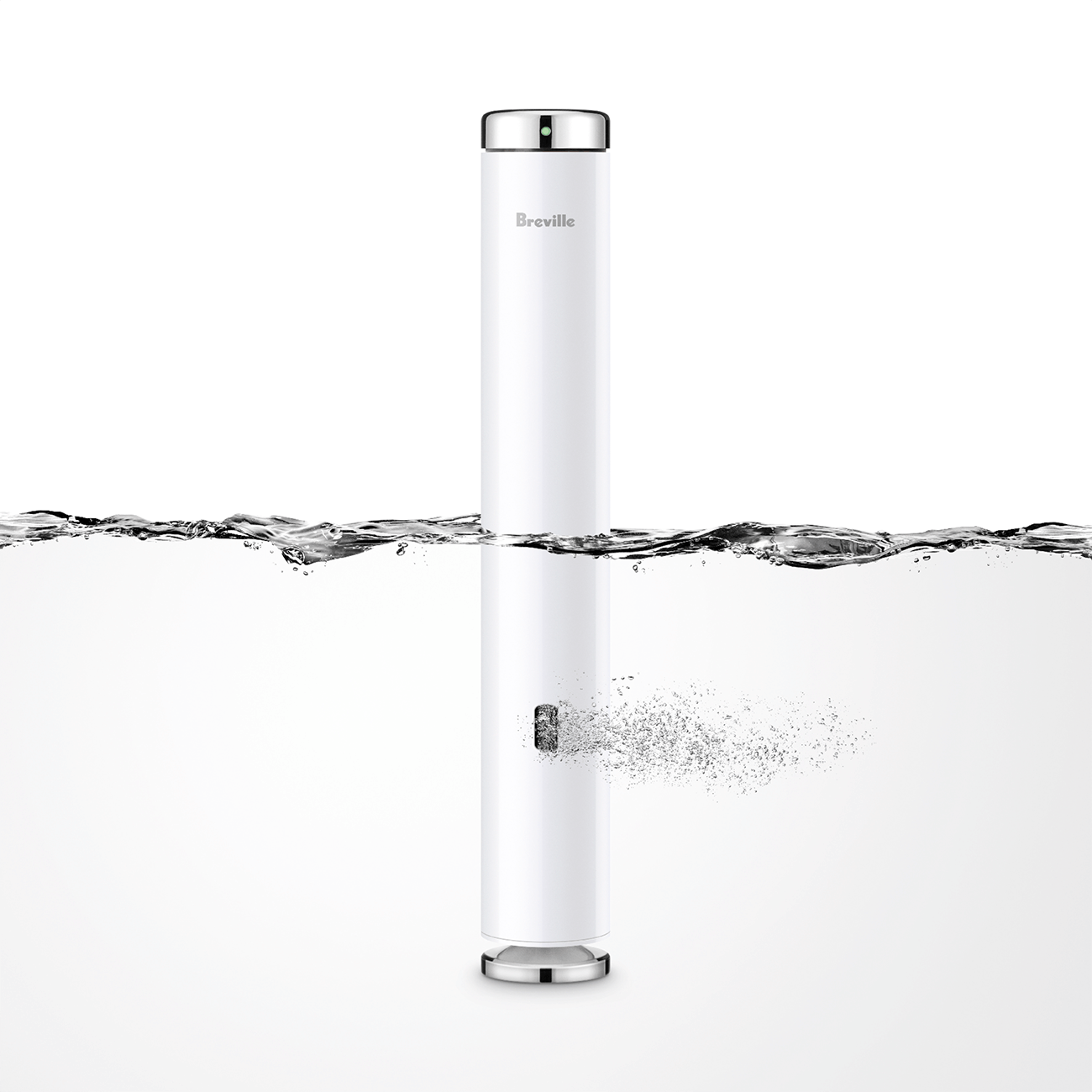
Clip the Joule, set temp in the app, bag food, cook, then sear.
If you want tender, edge-to-edge perfect food at home, this guide is for you. I’ll show you how to use a Joule sous vide like a pro, with steps, temps, and tips from years of kitchen use. You’ll learn what gear you need, how to bag food right, and how to sear without losing that juicy center. By the end, how to use a joule sous vide will feel simple, fast, and fun.
:max_bytes(150000):strip_icc()/jouleturbo_bade-6e3cbb0c6c11477185fb0f41c737b33e.jpg)
What Is Sous Vide and Why Joule Makes It Easy
Sous vide means cooking food in a sealed bag in a water bath. The water stays at a precise temperature the whole time. This gives you even doneness and less stress.
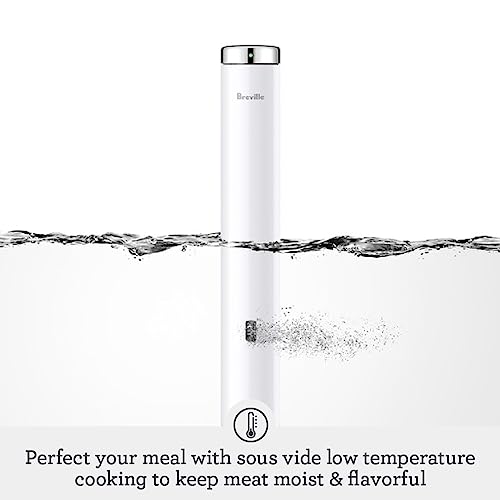
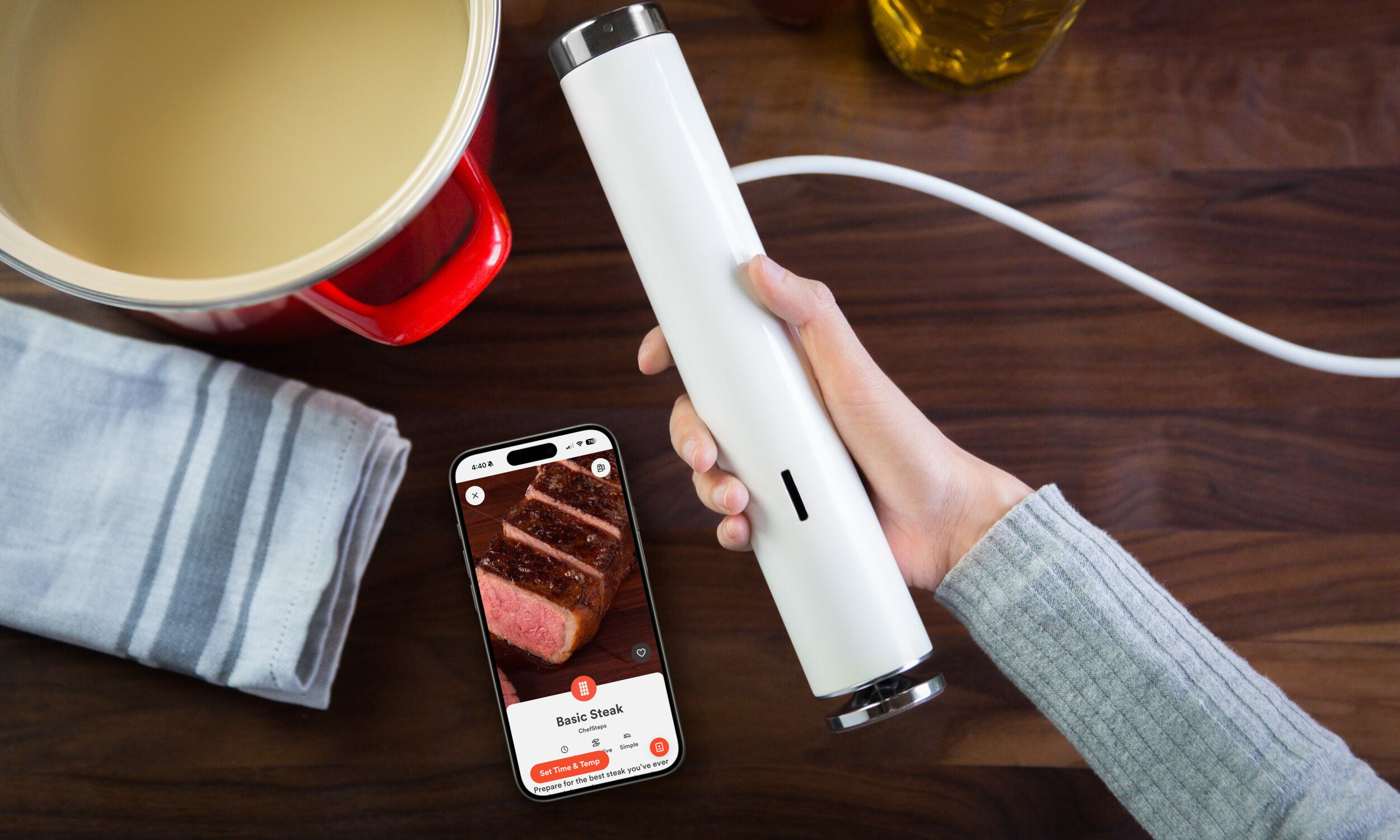
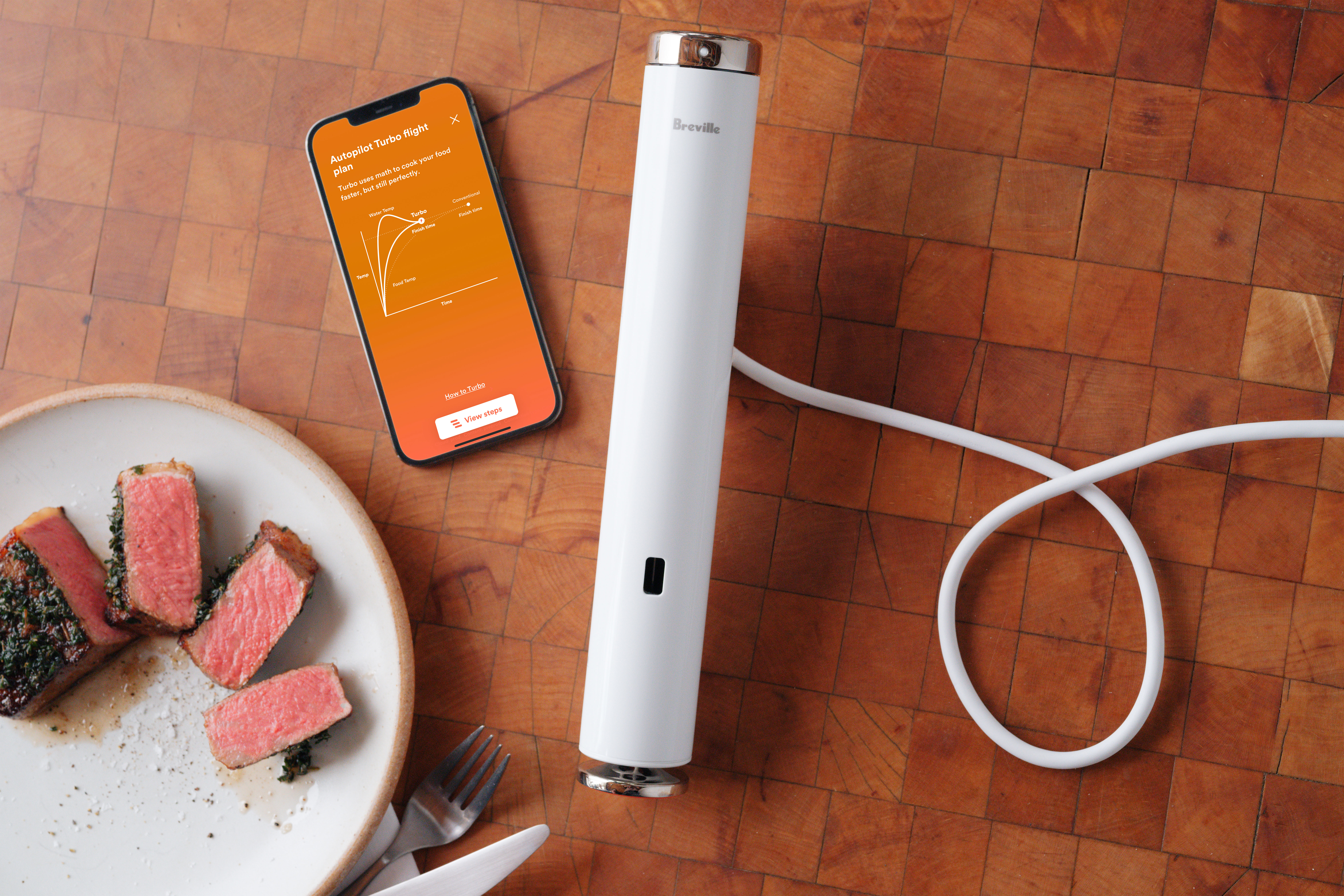
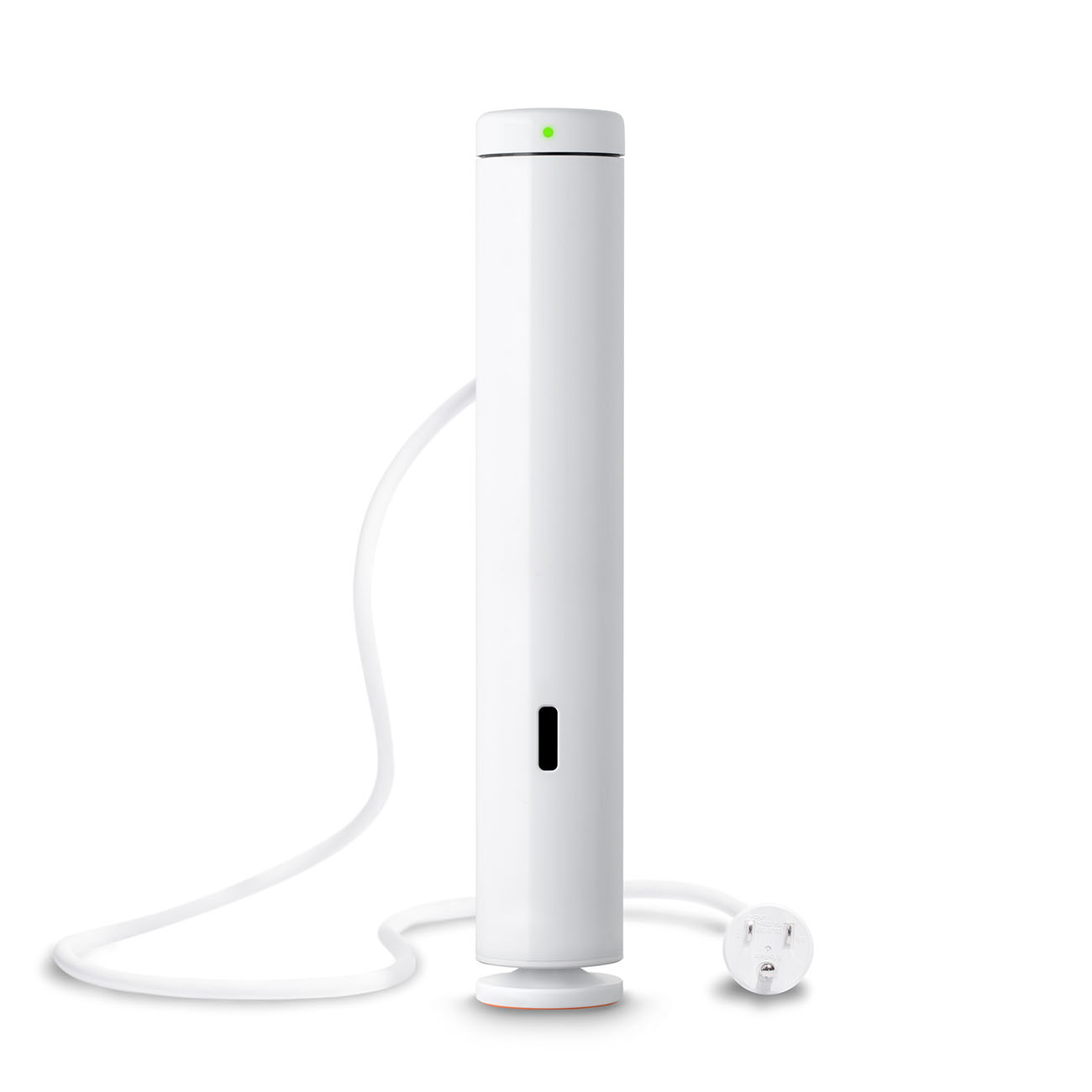
Joule is a small, powerful circulator. It heats and moves the water with accuracy. The app shows exact temps, doneness visuals, and step-by-step recipes. That lets you focus on flavor, not guesswork.
Many cooks struggle with overcooked steak or dry chicken. Sous vide fixes that. You set the temp of the doneness you want. The food cannot go over that temp. That is why it works so well for busy people and meal prep.
Gear Checklist for Joule Sous Vide
You do not need much to start. Here is the short list I use at home:
- Joule device. Works with a pot or a heat-safe container.
- A deep pot or a polycarbonate bin. Depth should cover Joule’s minimum line.
- Resealable freezer bags or a vacuum sealer with bags. Freezer bags work great.
- Binder clips or bag clips. They keep bags from floating.
- A trivet or towel for the counter. Hot pots can leave marks.
- Tongs, paper towels, and a cast-iron or stainless pan for searing.
- Optional: ping-pong balls or a lid to cut evaporation on long cooks.
If you are learning how to use a joule sous vide for the first time, start with a pot, freezer bags, and a good pan. Keep it simple. You can upgrade your container later if you love it.

Step-by-Step: How to Use a Joule Sous Vide
Follow these steps any time you cook. This is the flow I use every week.
-
Fill your pot or container
Use warm tap water to speed heat-up. Keep water above Joule’s minimum line. -
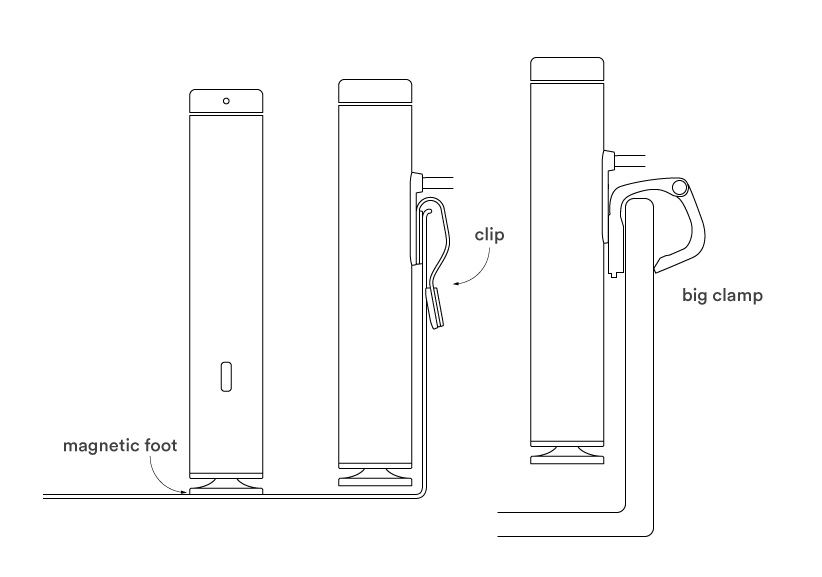
Attach the Joule
Clip it to the side. If your pot is steel, the magnet base can help steady it. -
Open the Joule app
Connect by Bluetooth or Wi-Fi. Set your temperature and time. The app has Visual Doneness guides. Those are great for steak, salmon, and eggs. -
Preheat
Let the water reach your set temp. It heats fast. Keep the pot on a heat-safe surface. -
Season and bag your food
Salt the meat. Add a little oil or butter if you like. Use herbs, pepper, or a small garlic clove. Do not overdo raw garlic. It can taste sharp in long cooks. -
Remove the air from the bag
Use the water displacement method. Lower the bag into water until air is pushed out. Seal the bag just above the water line. Vacuum sealers also work well. -
Submerge and clip
Place the bag in the water. Keep the seal above water. Clip the top to the pot. If it floats, add a spoon as a weight or double-bag it. -
Cook for the set time
You can walk away. Try not to open the lid often. For long cooks, cover to cut evaporation. -
Finish with a sear
When the timer ends, take the bag out. Pat the food very dry. Sear in a hot pan with a high smoke point oil. Aim for 30 to 60 seconds per side. Add butter at the end for color. -
Rest, slice, and serve
Rest one to two minutes for clean cuts. Taste and finish with salt, pepper, or lemon.
That is how to use a joule sous vide from start to finish. Repeat this flow and it becomes second nature.

Time and Temperature Cheat Sheet for Joule
Use these proven ranges. They balance texture, safety, and flavor. The app can set these for you too.
Steak
- Medium-rare: 129°F for 1 to 3 hours
- Medium: 135°F for 1 to 3 hours
Tip: Thicker steaks can sit longer without harm.
Chicken breast
- Tender and juicy: 149°F for 1.5 to 2 hours
- Classic firm: 158°F for 1 to 1.5 hours
Tip: Pasteurization happens over time. Longer time at lower temp can be safe.
Pork chops
- Juicy: 140°F for 1.5 to 2 hours
- Firmer: 145°F for 1 to 1.5 hours
Salmon
- Silky: 118°F for 30 to 45 minutes
- Flaky: 125°F for 40 to 60 minutes
Eggs (in shell)
- Jammy yolk: 167°F for 13 minutes, ice bath, peel
- Custardy yolk: 145°F for 45 minutes
Veggies
- Carrots: 183°F for 1 to 1.5 hours with a little butter
- Asparagus: 180°F for 8 to 12 minutes
Short ribs
- Tender-bite: 149°F for 24 to 36 hours
- Fall-apart: 167°F for 12 to 18 hours
These are solid starting points for how to use a joule sous vide across many foods. Adjust for thickness and your taste.
Bagging, Seasoning, and Sealing Tips
Little details make a big difference. These tips come from many dinners cooked with Joule.
- Use freezer-grade bags for better seals. Thin bags can pop in long cooks.
- Keep aromatics light. A small garlic clove, a sprig of thyme, and a knob of butter are enough.
- For strong marinades, pat meat dry before bagging. Wet surfaces can steam, not sear.
- Double-bag fatty cuts. Fat can weaken seals in very hot or long cooks.
- Prevent floating. Use a heavy spoon as a weight inside a second bag, then seal.
- Label bags for batch cooks. Write item, temp, time, and date.
If you want rock-solid results while learning how to use a joule sous vide, keep seasoning simple. Focus on salt, pepper, and a clean sear.
Searing, Serving, and Food Safety
Great sous vide needs a quick, hot finish. That crust adds flavor and looks.
- Dry is king. Moisture kills browning. Pat meat very dry with paper towels.
- High heat, short time. Preheat your pan until it shimmers. Sear 30 to 60 seconds per side.
- Use the right fat. Avocado, canola, or clarified butter work well.
- Add butter and herbs at the end. Baste for 10 to 20 seconds for color.
- Torch or grill also work. Keep the flame moving to avoid a soot taste.
Food safety matters when you learn how to use a joule sous vide. Keep cold foods cold before cooking. Do not leave sealed meats out at room temp. For meal prep, chill cooked food fast in an ice bath, then refrigerate. Reheat in the bath at your serving temp.
Troubleshooting and Maintenance
You will run into small snags. Here is how I handle them.
Water level drops
- For long cooks, cover the pot with a lid or plastic wrap.
- Add hot water if the app warns you. Keep above the minimum line.
Bag floating
- Remove more air. Use water displacement again.
- Add a spoon or use a rack. Double-bag if needed.
Cloudy water
- Small protein leaks happen. Drain and rinse if it smells off.
- Keep seals clean and strong.
App will not connect
- Move closer for Bluetooth.
- Reset Wi-Fi in the app and check your network band.
- Power-cycle the Joule for a clean start.
Mineral build-up
- Descale with a warm water and vinegar bath. Run Joule for 20 minutes.
- Rinse and dry before storing.
If you ever doubt how to use a joule sous vide in a tricky case, simplify. Go back to the core steps and a basic recipe. It works every time.
:max_bytes(150000):strip_icc()/sea-breville-joule-turbo-sous-vide-machine-immersion-circulator-nsimpson-1109-8846237ddd77410eaa27efc4a2446561.jpeg)
Pro Moves and Meal Prep with Joule
Batch cooking saves time and money. I do this on Sundays.
- Cook proteins in bulk. Chill in ice water. Store in the fridge for up to a few days.
- Reheat at the original temp for 30 to 45 minutes. Then sear and serve.
- Season later if you plan to store. Salt before searing to keep texture.
Power-user tricks
- Use a dedicated polycarbonate container with a fitted lid to cut evaporation.
- Keep a small rack in the bin to separate bags. Air flow means even heat.
- Use the app’s Guided cooks and Visual Doneness when you test new cuts.
- If you host often, set favorite temps as “presets” in the app for one-tap starts.
These ideas lift your skills fast. They also make how to use a joule sous vide part of your weekly rhythm, not a one-off project.
Frequently Asked Questions of how to use a joule sous vide
Can I use Joule without the app?
Yes. Most models let you set temps in the app first, then run offline. For full features, the app is best.
Do I need a vacuum sealer?
No. The water displacement method with freezer bags works well. A sealer helps for big batches or long cooks.
How do I stop bags from floating?
Remove more air and clip the bag to the side. Add a utensil as a weight or use a rack.
Is it safe to leave Joule running for many hours?
Yes, if the water stays above the minimum line and covered. Check water level on very long cooks.
Can I cook frozen food with Joule?
Yes. Add 30 to 60 minutes to the normal time. Keep the same temperature.
What oil should I use to sear after sous vide?
Use a high smoke point oil like avocado or canola. Add butter near the end for flavor and color.
Does searing make food overcooked?
Not if you keep it hot and fast. Dry the surface well and sear only to build a crust.
Conclusion
You now know how to use a joule sous vide from setup to sear. You can pick the right temp, bag food the right way, and finish like a chef. The method is simple, steady, and very forgiving.
Start with one cook this week. Try a 129°F steak or a 149°F chicken breast. Log your time and taste. Then tweak to your liking. If this helped, share it with a friend, subscribe for more guides, or leave a comment with your next sous vide goal.