A 4.5–5.5 quart round Dutch oven fits most sourdough boules.
If you want a tall rise, a crackly crust, and easy handling, size matters. I bake sourdough several times a week, and I’ve tested many pot sizes on home ovens. In this guide, we will answer how big of a dutch oven for sourdough with clear rules, real measurements, and simple tips you can trust. You will learn how to match your dough to the right pot, avoid flat loaves, and bake with confidence.

How big of a Dutch oven for sourdough: the short answer
For one classic home loaf, a 4.5–5.5 quart round Dutch oven is the sweet spot. It fits a 500 gram flour dough, gives room for oven spring, and is easy to lift. If you often bake larger loaves or batards, move to 6–7 quarts or an oval pot.
Here is a simple size guide I use at home:
- 3–4 quart for small boules or demi loaves. Great for 300–400 grams flour.
- 4.5–5.5 quart for most boules. Best for 450–600 grams flour.
- 6–7 quart for big boules and batards. Good for 650–900 grams flour.
- 7.25 quart and up for party loaves or high add-ins. Use only if the dough is large.
If you came here asking how big of a dutch oven for sourdough, this is the fast choice: go 5 quarts, round, and sturdy. It works on most recipes and ovens, and it gives strong steam.

Why size matters for spring, crust, and crumb
A Dutch oven traps steam. Steam keeps the crust soft at first so the loaf can rise. When the lid comes off, the crust dries and turns deep and crisp. Too much space and steam thins out. Too little space and the loaf hits the lid or sides.
Focus on three things:
- Internal diameter. Aim for at least 1 inch of space around your shaped dough. Most 5 quart round pots have about a 9 inch inner diameter, which fits a standard boule.
- Height under the lid. You want at least 1 inch of headroom above the highest point of the shaped dough. Many round ovens are 4–5 inches tall inside, which is enough.
- Thermal mass. Heavier pots hold heat better. That boosts oven spring. But if the pot is too big for the dough, steam will not build well.
From my tests, the wrong size shows up as pale crust, weak ears, and a squat shape. The right size gives bold ears, glossy blisters, and a tall dome. If you wonder how big of a dutch oven for sourdough gives that look, pick the smallest pot that still leaves safe clearance.

Match dough weight to Dutch oven capacity
You can size your pot by the dough weight. This makes it easy to choose even if you tweak hydration or add-ins.
Use this quick map:
- 500–700 grams dough. Choose a 3–4 quart pot. This fits small loaves for two people.
- 800–1000 grams dough. Choose a 4.5–5.5 quart pot. This fits a classic 500 gram flour boule at 70 percent hydration.
- 1100–1400 grams dough. Choose a 6–7 quart pot. This fits large boules, seeded breads, or high hydration doughs that spread more.
- Over 1400 grams dough. Choose 7.25 quarts or larger. Great for big batards or celebration loaves.
A fast way to test at home:
- Place your empty banneton or shaped dough in the cool pot.
- Check that there is at least 1 inch of side clearance and 1 inch of headroom.
- If it looks tight cold, it will be too tight hot. Go one size up.
When friends ask me how big of a dutch oven for sourdough they should buy for 500 gram flour loaves, I say 5 quarts. It is the most forgiving and easiest to store.

Round vs oval, material, and depth
Shape:
- Round pots fit round boules best. They center heat and steam well.
- Oval pots fit batards and long loaves. They can feel roomy for small boules, so size down if you bake small.
Material:
- Enameled cast iron is easy to clean and resists rust.
- Bare cast iron is great too. It can be lighter in some models and costs less. It needs care to avoid rust.
- A combo cooker works well. It acts like a cloche and makes loading easy.
Depth:
- Deeper lids trap steam better but must clear your loaf.
- Shallow skillets used as lids work great for ear control and easy scoring.
If you are choosing how big of a dutch oven for sourdough and you favor batards, consider a 6 quart oval. For round boules, stick with a 5 quart round.
Real-world notes, tips, and mistakes to avoid
From my kitchen tests and classes:
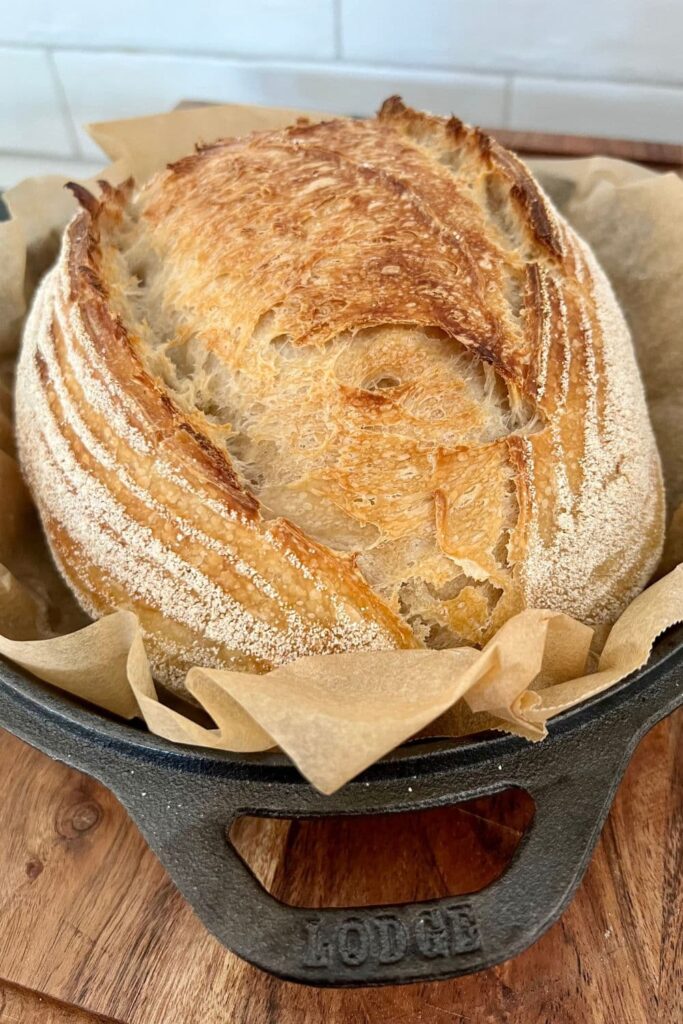
- My daily driver is a 5.5 quart round pot. It fits a 500 gram flour boule with perfect spring.
- A 7.25 quart pot looked epic but gave me dull crust. There was too much air and too little steam.
- A 3.5 quart pot was cute but cramped. My loaf kissed the lid and tore the ear.
Common mistakes:
- Using a huge pot for a small loaf. The crust dries fast and the loaf spreads.
- Loading a warm, soft dough into a tight pot. It will stick and score lines will seal shut.
- Skipping preheat. The base will be pale and the bottom gummy.
Practical tips:
- Proof cold. A chilled, firm dough is easy to score and load.
- Use a parchment sling for clean placement.
- Preheat pot and lid at 475°F for 45–60 minutes for strong spring.
- Vent after 18–25 minutes by removing the lid. Finish uncovered to set color.
If you still wonder how big of a dutch oven for sourdough is right for your routine, test fit your banneton in the pot you plan to buy. That one step saves money and stress.
Buying guide without the hype
What to look for:
- Inner diameter around 9 inches for most boules. Many 5 quart round ovens hit this mark.
- Weight you can lift with one hand. Safety beats size.
- A knob and handles that handle 500°F. Some lids need a metal knob for high heat.
- A lid that seals well. Wobble leaks steam.
Good general picks:
- 4.5–5.5 quart round for standard boules.
- 6 quart oval for batards.
- A combo cooker if you want super easy loading.
Most cookware makers note that 4.5–5.5 quarts is the standard “bread size.” I agree. If someone asks me how big of a dutch oven for sourdough to buy first, I point them there every time.
Techniques to bake great sourdough in any size
Even if your pot is not perfect, you can still bake a great loaf.
Do this:
- Use a small sheet of ice or a wet parchment trick to boost steam in a roomy pot.
- Place the rack one notch below center to help the base set.
- Score a deep main slash to guide spring.
- Bake times to start with:
- Lid on for 20 minutes at 475°F.
- Lid off for 18–25 minutes at 450–475°F until deep brown.
If you bake two small boules, two 3.5–4 quart pots beat one giant one. Steam is stronger in each. That is my go to when I host brunch. It also answers how big of a dutch oven for sourdough if you like to batch bake but want sharp crusts.
Frequently Asked Questions of how big of a dutch oven for sourdough
Can I bake sourdough without a Dutch oven?
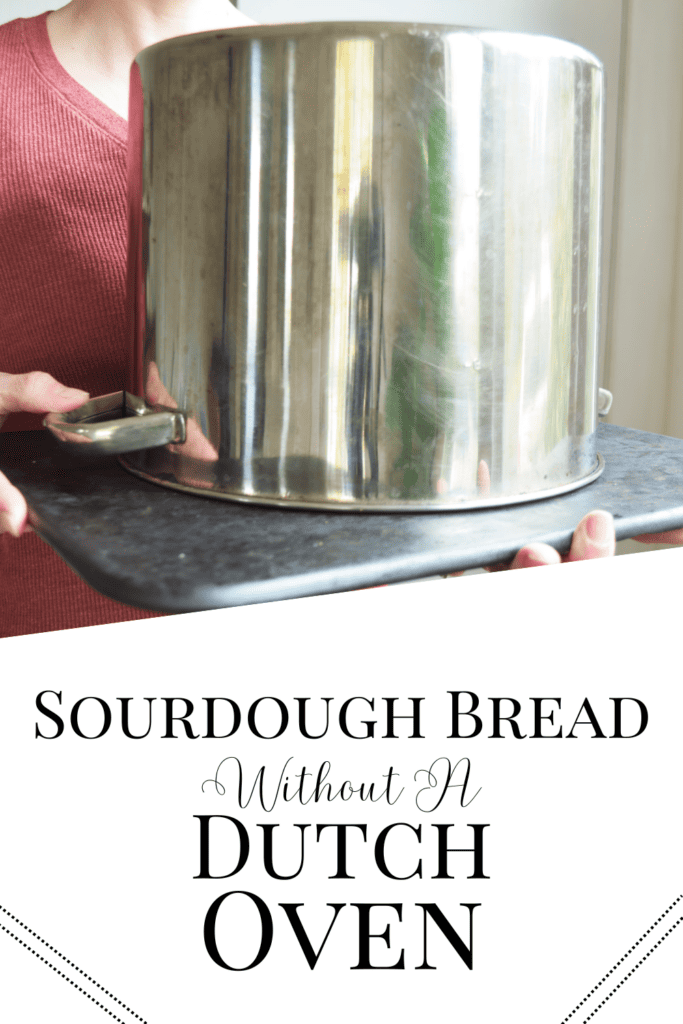
Yes. Use a preheated baking steel or stone and cover the loaf with a large stainless bowl for steam. You can also use a cloche or a roasting pan lid.
Is 3.5 quarts too small for sourdough?
It is small for standard boules but fine for demi loaves. Keep the flour around 300–400 grams and shape tight to avoid lid contact.
Is 7.25 quarts too big for one loaf?
It is often too big for a single standard boule. It can work for large batards or loaves over 1100 grams of dough with strong shaping.
Round or oval Dutch oven for sourdough?
Round is best for boules and even heat. Oval is better for batards and longer shapes but can feel roomy for small dough.
Do I need to preheat the Dutch oven?
Yes. Preheat for 45–60 minutes for best oven spring and crust. A cold pot reduces rise and can cause a dense crumb.
Conclusion
Pick the smallest pot that still gives your loaf space to grow. For most bakers, that is a 4.5–5.5 quart round Dutch oven. It fits classic sizes, traps steam well, and keeps handling simple. If you bake larger loaves or batards, move to 6–7 quarts or an oval shape.
Now it is your turn. Decide how big of a dutch oven for sourdough fits your dough weight, test fit your banneton, and bake a loaf this week. Share your results, ask questions, or subscribe for more hands on bread tips.