Yes—modern enameled Dutch ovens are safe when used, cleaned, and heated the right way.
If you love one-pot meals and crave non-toxic cookware, you’re in the right place. Many home cooks ask, are enameled dutch ovens safe? I’ve cooked with them for years, tested brands side by side, and dug into lab guidance on enamel glazes. This guide breaks down what the enamel is, how it behaves with food and heat, what to avoid, and how to pick a pot that lasts. By the end, you will know exactly where enameled Dutch ovens shine, what the limits are, and how to cook with full confidence.
Are enameled Dutch ovens safe? The science in simple words
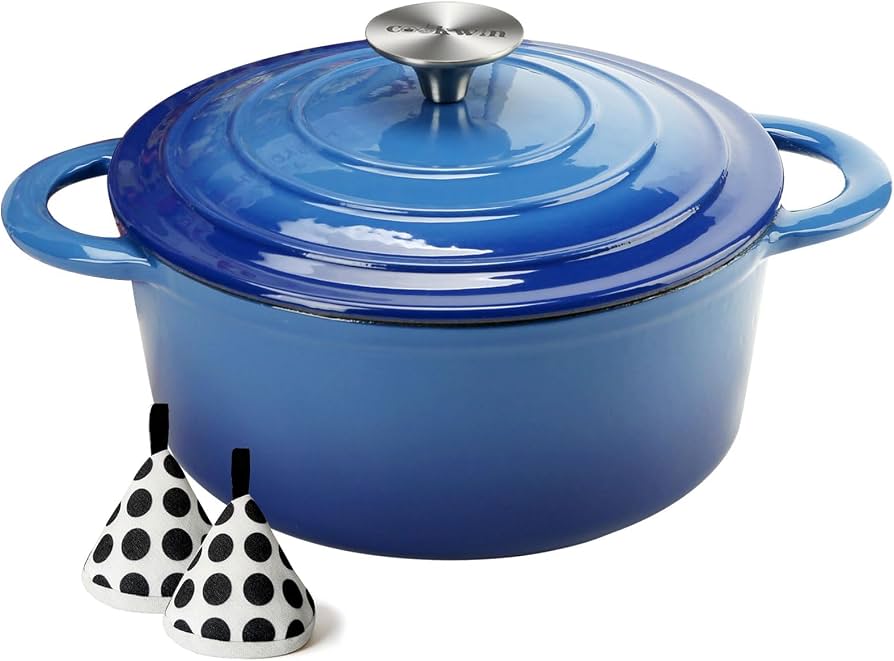
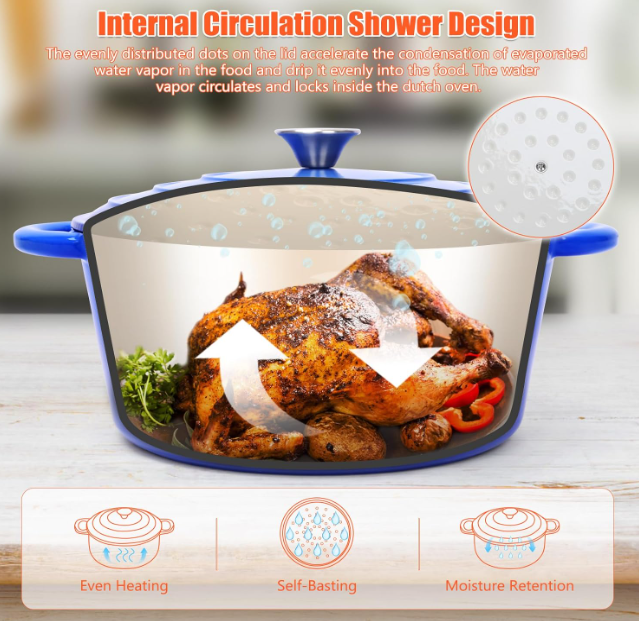
Short answer to “are enameled dutch ovens safe”: yes, when used right. The enamel is a glass coating fused onto cast iron at high heat. That glass layer is non-reactive, which means it does not leach into your food.
Here is why this matters:
- The enamel has no PFAS, PFOA, or PTFE. It is a glass surface, not a nonstick film.
- It handles acidic foods like tomato sauce and wine with no metal taste.
- It keeps iron sealed, so you avoid rust and metallic flavors.
If you wonder are enameled dutch ovens safe for daily family meals, they are. They are one of the most stable, long-lived, and low-fuss cookware choices you can buy.

Materials and heavy metals: lead, cadmium, and glazes
Modern enamel from reputable brands is designed for food safety. Food-contact enamel is formulated to meet strict lead and cadmium leach limits set by regulators. Independent lab tests on major makers show non-detect or far-below limits when tested in acidic solutions.
What to know and how to shop smart:
- Vintage or unknown enamel can be risky. Old glazes may have lead or cadmium. If a pot is chipped inside, or you cannot confirm age or maker, avoid using it for food.
- Bright reds and oranges on exteriors may use pigments that include cadmium compounds. On modern pots, those pigments are bound in glass and do not contact food.
- Trusted makers publish compliance with food-contact rules and often undergo third-party testing. Look for clear statements on lead-free food-contact enamel.
Many ask, are enameled dutch ovens safe from lead and cadmium today? When you buy a current model from a transparent brand, yes. If you thrift a vintage pot with unknown glaze, the safe move is to keep it as decor or test it before use.

Heat and use: what keeps enamel safe day to day
Enamel dislikes sudden, extreme temperature swings. Respect heat limits and you will be fine.
Simple rules that work:
- Use low to medium heat for most cooking. Enamel holds heat well, so you do not need big flames.
- Preheat with a bit of oil or water in the pot. Do not heat it empty for long.
- Many lids have phenolic knobs rated to 375–400°F. Stainless knobs often go to 500°F or more. Check your manual.
- Most brands do not allow direct broiler use. Flames or coils can crack enamel or damage knobs.
- Induction, gas, and electric are all fine. The cast iron core is induction-ready.
If you are asking, are enameled dutch ovens safe on the grill or over open flame, the answer is usually no. The risk of thermal shock and enamel damage is high.
What about chips?
- Small chips on the outer rim are a cosmetic issue. Keep them dry to prevent rust.
- If the inner cooking surface chips, you can still cook, but avoid long acidic cooks on the bare spot. If the chip grows, replace or get it repaired.

Cleaning and care that protect your enamel
Good care keeps the surface smooth and safe.
Do this:
- Let the pot cool before you wash it. A hot-to-cold plunge can cause thermal shock.
- Soak with warm water and a little baking soda. Use a soft sponge or nylon brush.
- For tough stains, simmer water with a spoon of baking soda for 10 minutes, then wipe.
- Dry well. Store with a paper towel between pot and lid to avoid moisture rings.
Avoid this:
- Do not use metal scouring pads. They can dull or scratch the enamel.
- Skip sudden ice water soaks in a hot pot.
- Avoid repeated dishwasher cycles if you want the enamel to look new. Many brands allow it, but hand wash keeps the finish bright.
When chips happen, are enameled dutch ovens safe to keep using? Yes, if the chip is small and not shedding. Keep it clean and dry. Watch for spreading.

Safety compared: enameled vs other cookware
Enameled Dutch ovens vs nonstick:
- Enamel is free of PFAS. It will not off-gas like some nonstick pans at very high heat.
- It is tougher than classic nonstick but not as slick. Use oil and let food release.
Enameled vs bare cast iron:
- Enamel is non-reactive. It loves tomato sauce and wine.
- Bare cast iron can leach iron, which is not a problem for most, but it can affect taste with acid.
Enameled vs stainless or aluminum:
- Enamel is more forgiving with acids than some aluminum pans.
- Stainless is great too, but it needs more oil to prevent sticking.
If you ask are enameled dutch ovens safe versus nonstick, the answer is yes and often safer at high heat. They are a stable, PFAS-free option for braises, soups, and bread.

Who should take extra care
Most people can use enamel with ease. Still, keep these points in mind.
- If you have a severe nickel allergy, ask the maker about glaze content. Some pigments may include nickel or cobalt oxides. The risk of leach is low, but peace of mind matters.
- If you have kids, avoid vintage enamel of unknown origin. Choose recent models from known brands.
- If grip strength is a concern, mind the weight. A full 6-quart pot is heavy. Use two hands, dry oven mitts, and clear paths.
Are enameled dutch ovens safe for families? Yes, and they are ideal for batch cooking, as long as you handle the weight with care.
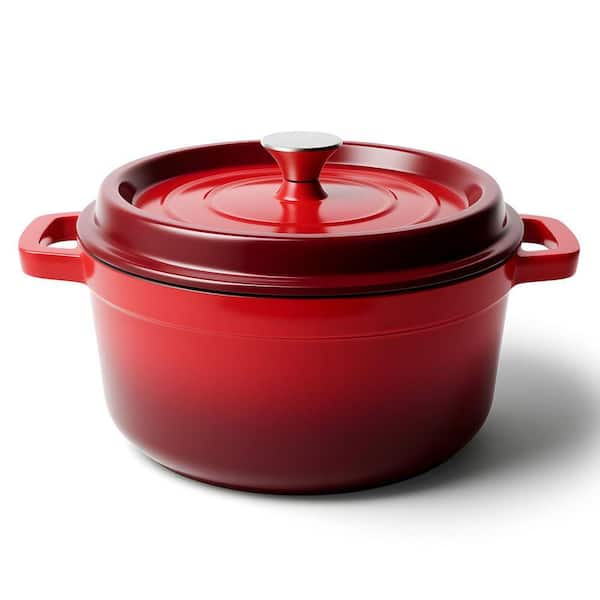
How to choose a safe enameled Dutch oven
Use this quick checklist when you shop.
- Brand transparency. Look for published compliance with food-contact standards and third-party testing.
- Interior enamel color. Light interiors help you see browning and stains. Black matte interiors are tougher and hide wear.
- Lid knob rating. Phenolic knobs often cap at 375–400°F. Metal knobs go higher.
- Even enamel coverage. Check for thin spots on rims. Tiny pinholes on the exterior are common and not a hazard.
- Fit and seal. A heavy lid traps steam and helps braise at lower heat.
- Support and warranty. Good makers stand behind chips and defects.
To ensure are enameled dutch ovens safe for your home, buy new or from a trusted seller, read the care guide, and register the warranty.

My hands-on take and pro tips
I use two Dutch ovens each week: a 5.5-quart and a 7.25-quart. I have simmered tomato sauce for hours with no metallic taste. I bake sourdough at 475°F with a stainless knob. The enamel still looks great years later.
Lessons learned:
- Medium heat is plenty. Let the pot preheat for a few minutes. Food browns well without scorching.
- I once cracked a knob under a broiler. Now I keep the pot below the broiler or swap to a metal knob.
- A teaspoon of baking soda and a 10-minute simmer lifts stuck bits like magic.
- If I drop a lid, I inspect the rim. A small chip gets a dab of mineral oil on the raw iron to slow rust.
If you still wonder, are enameled dutch ovens safe for daily, high-use kitchens, my experience says yes. Treat them kindly and they reward you with steady, clean results.
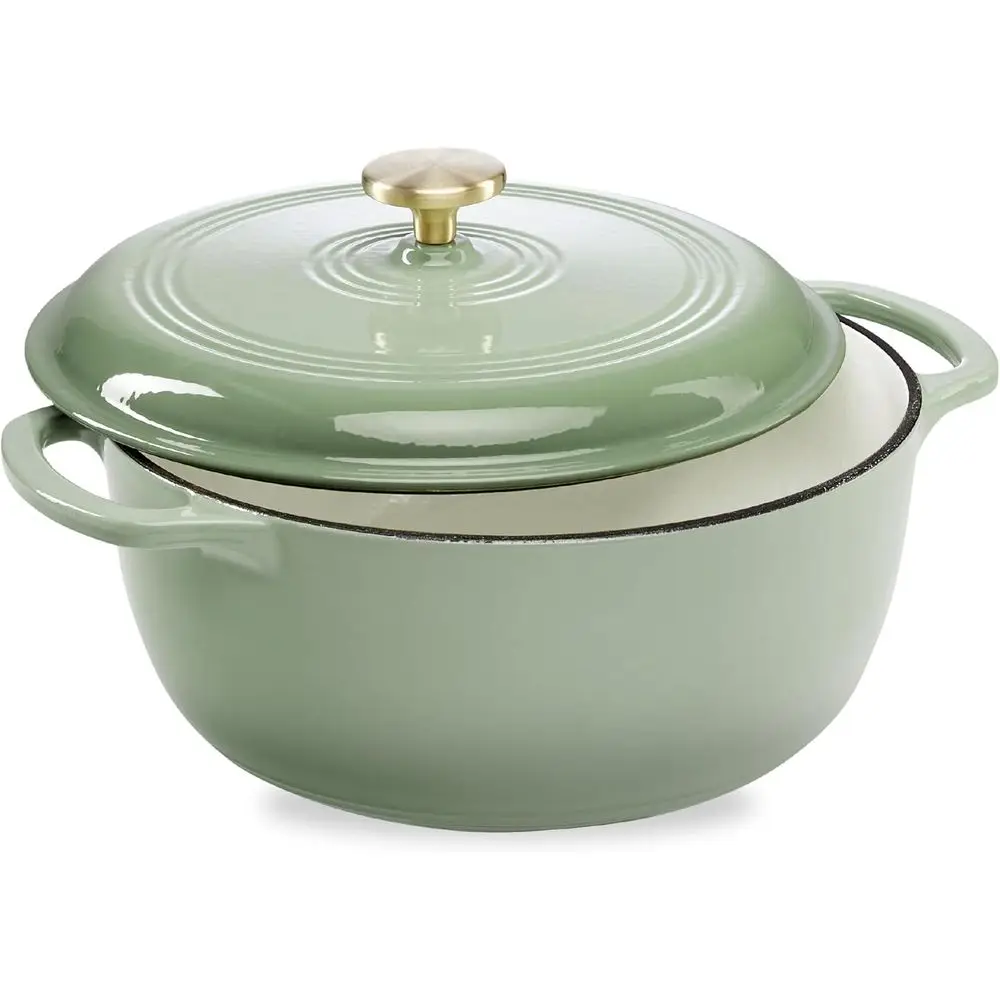
Frequently Asked Questions of are enameled dutch ovens safe
Are enameled Dutch ovens safe for everyday use?
Yes. The glass enamel is non-reactive, PFAS-free, and stable for daily cooking when used within heat guidelines.
Can enamel leach lead or cadmium into food?
Modern food-contact enamel from reputable brands tests below strict limits. Vintage or unknown pieces may be risky, so test or avoid them for cooking.
Are enameled Dutch ovens safe for high heat searing?
Yes, for stovetop searing at medium to medium-high heat. Avoid heating empty on max flame and check your lid knob rating for oven use.
Are enameled Dutch ovens safe for acidic foods like tomato sauce?
Yes. The enamel is glassy and inert, so it will not react with acids or change the taste of your food.
Is it safe to use metal utensils on enamel?
It is better to use wood, silicone, or nylon to avoid scratches or chips. Gentle metal use can work, but it raises the risk of damage over time.
Are enameled Dutch ovens safe for induction cooktops?
Yes. The cast iron core works on induction, and the enamel does not affect induction performance.
Is a chipped enamel Dutch oven still safe to use?
Small chips are often cosmetic. If the chip is inside, avoid long acidic cooks on that spot and watch for growth.
Conclusion
Modern enameled Dutch ovens are a safe, steady, and durable choice for home cooks. They are non-reactive, PFAS-free, and great with acidic foods. Respect heat limits, avoid thermal shock, and clean with care to keep the enamel strong.
Ready to put yours to work? Try a simple braise this week, practice those care tips, and cook with confidence. If you learned something here, share this guide with a friend, subscribe for more kitchen science, or drop your questions in the comments.