Use an oven-safe probe in thickest part, avoid bone, read doneness before carryover.
If you want juicy roasts and safe poultry every time, learn how to use a meat thermometer in oven the right way. I’ve cooked everything from weeknight chicken to holiday prime rib for crowds, and the thermometer is my quiet hero. In this guide, I’ll show you the exact steps, smart tips, and pro checks that make oven cooking precise, simple, and stress-free.
:max_bytes(150000):strip_icc()/__opt__aboutcom__coeus__resources__content_migration__serious_eats__seriouseats.com__2018__03__20180312-probe-thermometers-vicky-wasik-8-1500x1125-7f0d44a893e2474db3826b8526a9788d.jpg)
Why Using a Meat Thermometer in the Oven Matters
A thermometer takes the guesswork out of doneness. It helps you hit safe internal temperatures and keep moisture locked in. No more cutting into meat and losing juices.
Food safety guidelines are clear on this. Poultry needs 165°F. Pork is safe at 145°F with a short rest. Ground meats should reach 160°F. These numbers protect you and your guests.
It also saves money and time. You avoid overcooked roasts and botched dinners. You cook with calm, not luck. This is the core of how to use a meat thermometer in oven with confidence.
Types of Meat Thermometers and Which to Use in the Oven
Picking the right tool makes a big difference. Here is what to know.
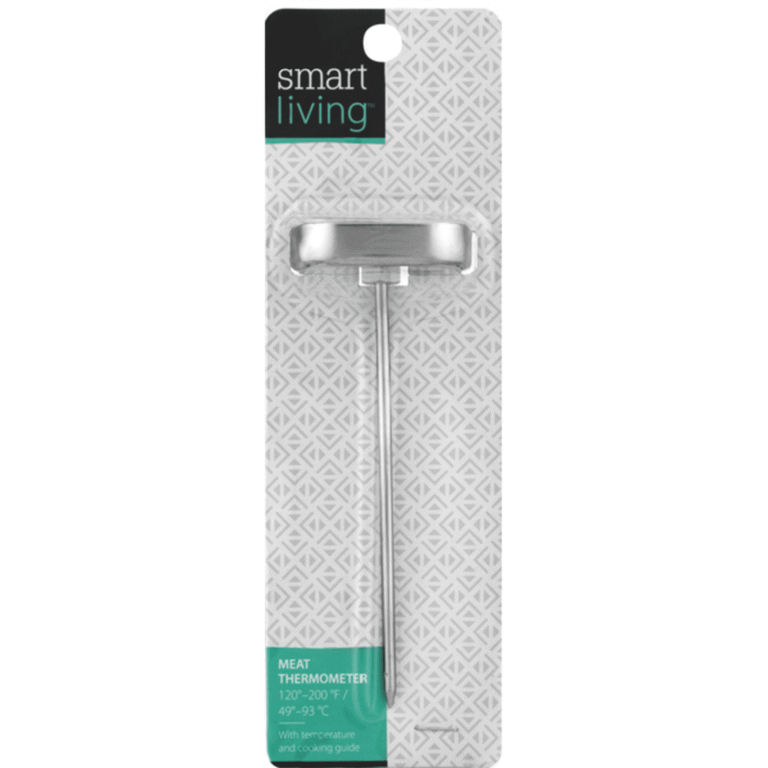
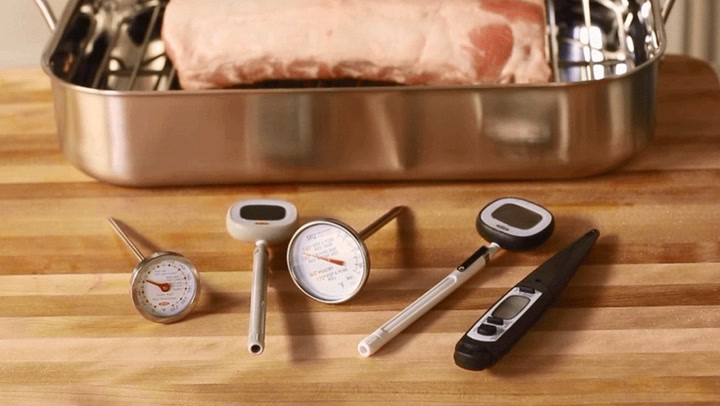
- Leave-in probe thermometer. Best for the oven. The probe stays in the meat, and the cable leads to a screen outside. Many have alarms.
- Instant-read digital thermometer. Fast spot checks. Use near the end of cooking and during resting. Do not leave it in the oven.
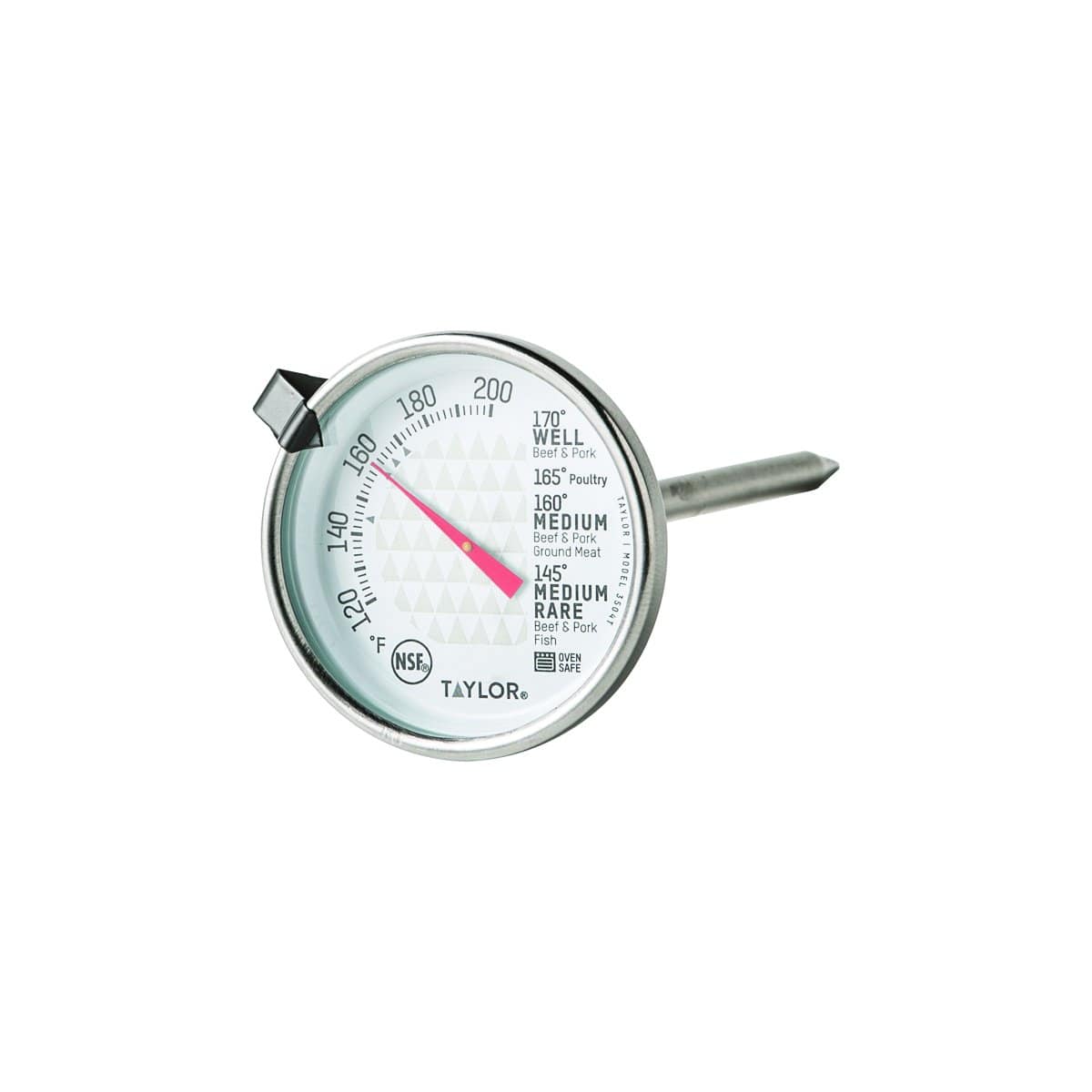
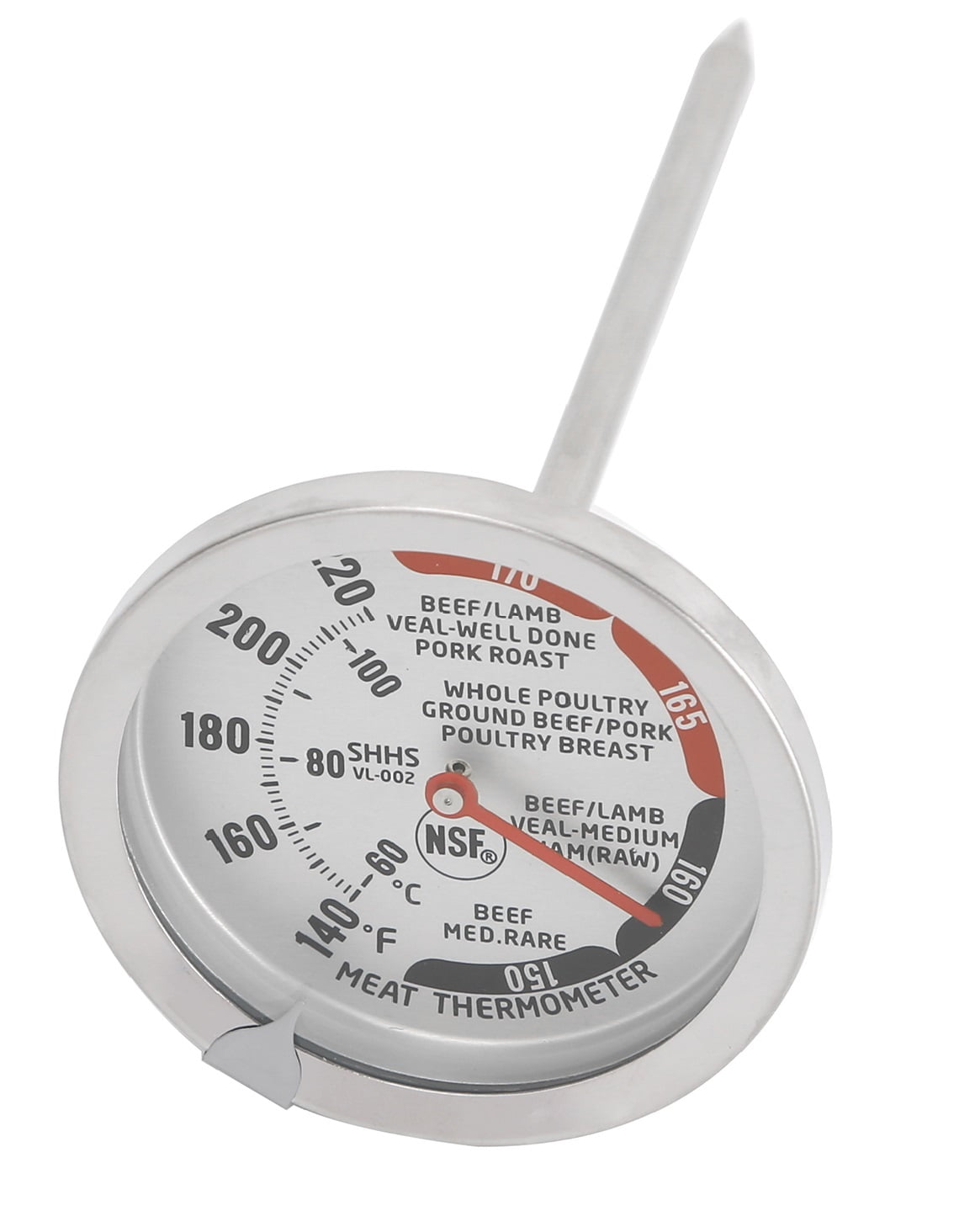
- Analog dial thermometer. Slower to read. Harder to place with precision. Works, but digital is more accurate and easier.
- Dual-probe models. One probe for meat. One for oven air temp. Great for tracking both at once.
If you ask how to use a meat thermometer in oven and keep it simple, choose a reliable leave-in probe and pair it with a fast instant-read.
How to Use a Meat Thermometer in Oven: Step-by-Step
Follow these steps for repeatable, juicy results every time. This is the heart of how to use a meat thermometer in oven.
- Choose an oven-safe probe. Check that the probe and cable are rated for oven use.
- Preheat the oven. A stable oven gives a clean temperature curve and even browning.
- Prep the meat. Pat dry. Season. For roasts, tie if needed so it cooks evenly.
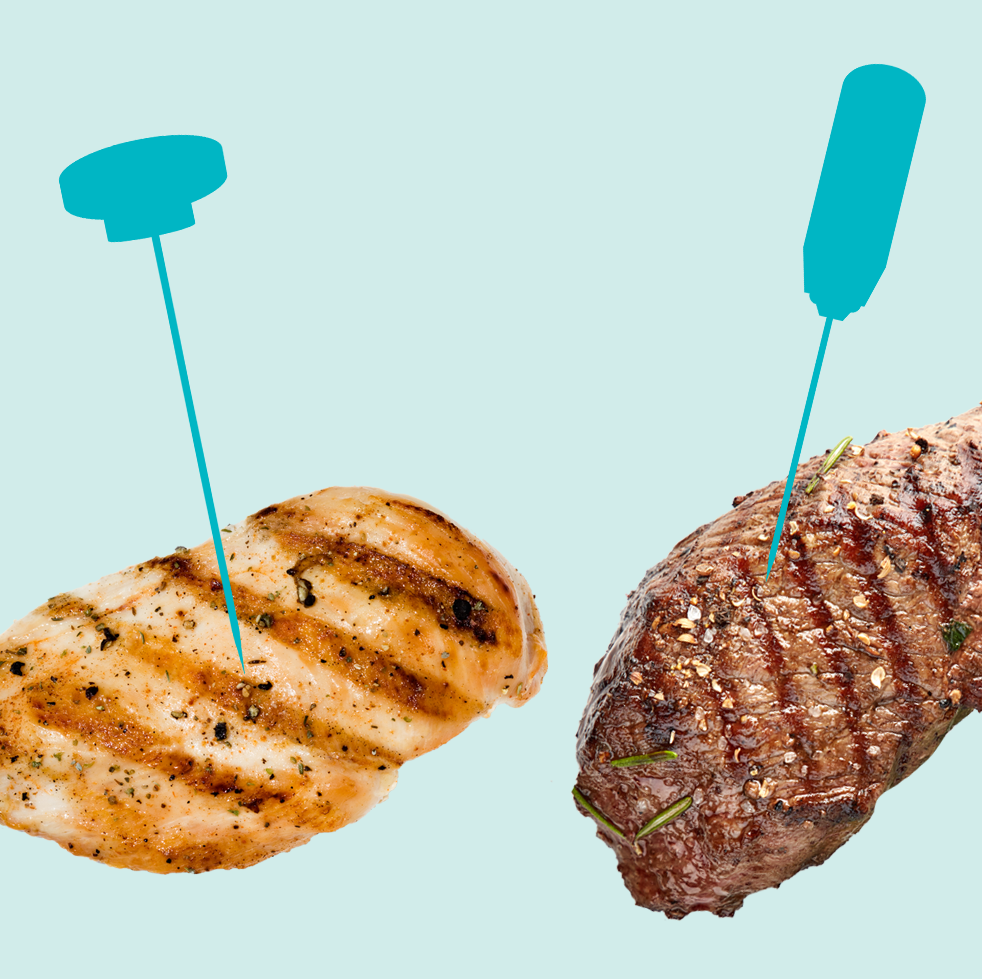
- Insert the probe in the thickest part. Aim for the center of the mass. Avoid bone, fat pockets, and the pan. Insert at least 1 inch deep so the tip reads the core.
- Route the cable. Close the door gently on the cable at the hinge side. Keep it away from heating elements.
- Set a temperature alarm. Choose a pull temperature 3 to 10°F below your target to allow for carryover cooking.
- Resist opening the door. Every peek drops heat and slows cooking.
- Verify near the end. Use an instant-read to spot check a few places for large roasts or uneven cuts.
- Rest the meat. Keep the probe in or recheck after resting. Tent loosely with foil. Let juices settle.
- Clean the probe. Wash the metal stem with hot, soapy water. Wipe the cable. Do not submerge the connector.
Tip from my kitchen: My first turkey was dry because I waited for 165°F in the oven. Now I pull at 160°F, rest to 165°F, and it is perfect. That is how to use a meat thermometer in oven without stress.
Probe Placement by Meat Type
Correct placement is the secret to accuracy. Use these quick guides.
Whole chicken or turkey
Aim for the deepest part of the breast from the side. Avoid bone. For big birds, place a second check in the thick thigh.
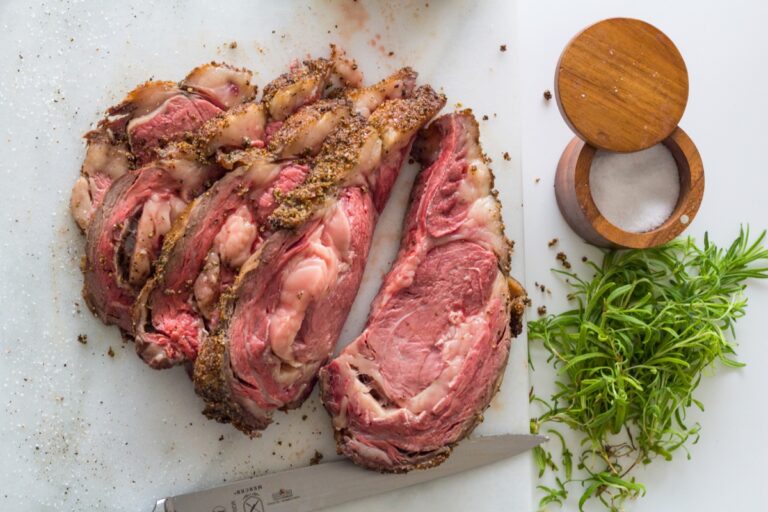
Beef roast or prime rib
Insert from the side into the center of the thickest section. For bone-in, keep the tip at least 0.5 inch from bone.
Pork loin or tenderloin
Place in the center along the length. Pork cooks fast. Watch closely near the end.
Steaks and chops
Use an instant-read. Insert from the side toward the center. Thin cuts cook too fast for leave-in probes.
Meatloaf or casseroles
Probe from the top into the center. Avoid the pan. Recheck in two spots.
Fish fillets or whole fish
Use an instant-read. Insert sideways into the center of the thickest area. Fish is delicate and cooks fast.
If you still wonder how to use a meat thermometer in oven for odd shapes, aim for the center mass and avoid bone every time.
Doneness Temperatures, Carryover Cooking, and Resting
Know your numbers. Then let carryover finish the job.
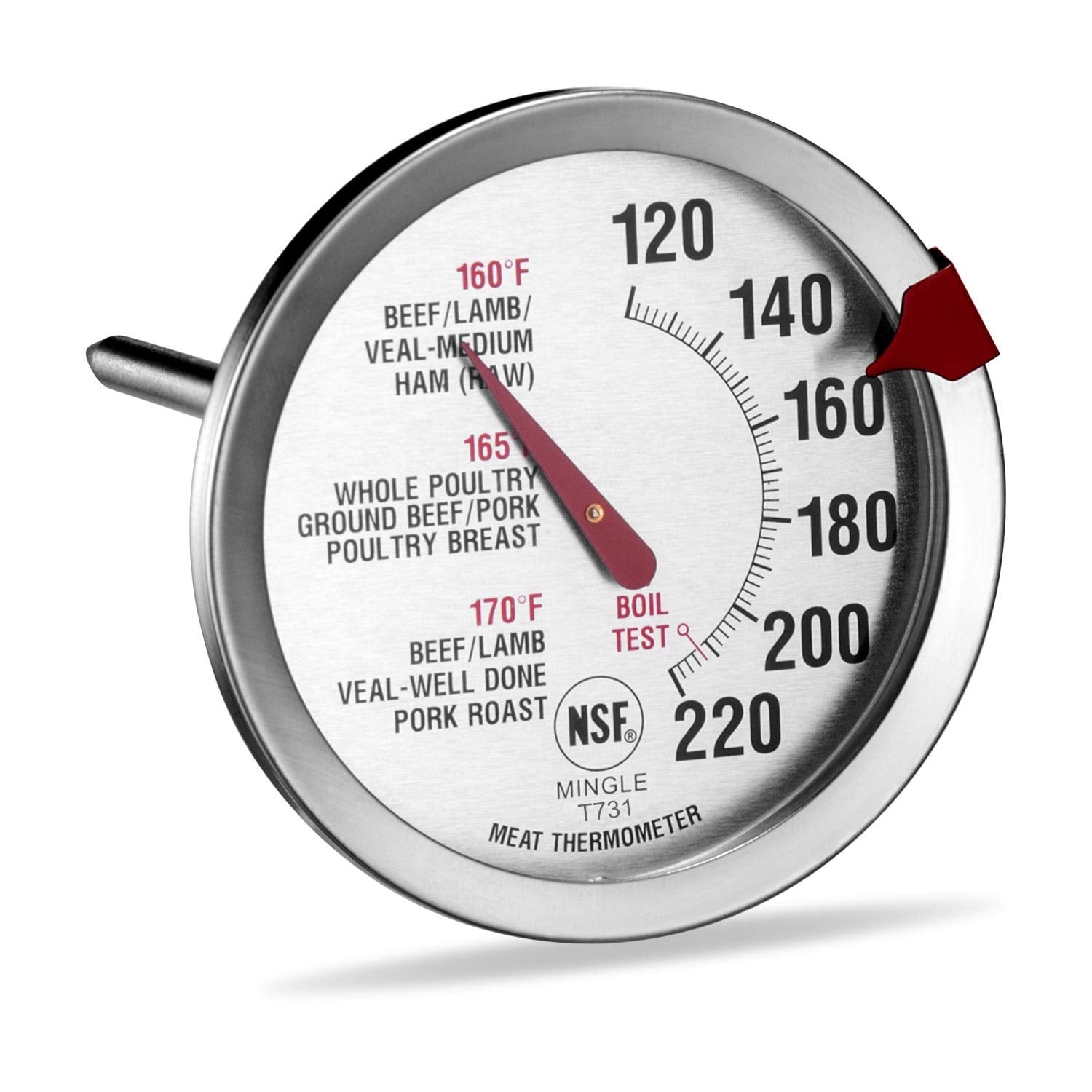
- Poultry whole or ground: 165°F final. Pull at about 160°F, rest to 165°F.
- Pork whole cuts: 145°F final plus a 3-minute rest. Pull near 140°F to 143°F.
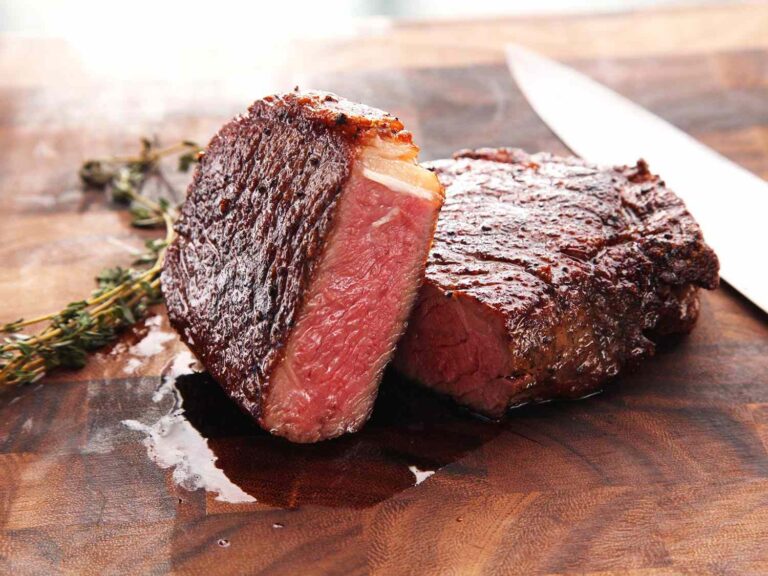
- Beef steaks and roasts: 145°F final for medium. For medium-rare flavor, many cooks aim near 130°F to 135°F, but note this is below the standard safe 145°F guidance for whole cuts.
- Ground beef, lamb, pork: 160°F final. No pink remains.
- Fish: 145°F final or until opaque and flakes with a fork.
- Ham, cooked: 140°F when reheating. Ham, fresh: 145°F plus rest.
Carryover cooking raises the temp 3 to 10°F after you pull it from the oven. Bigger roasts rise more. Plan your pull temperature to match your final target. This is a key part of how to use a meat thermometer in oven like a pro.

Calibration, Care, and Accuracy Tips
A thermometer is only useful if it is accurate. Check it now and then.
- Ice water test. Stir ice water. It should read 32°F. Adjust if your model allows.
- Boiling water test. At sea level it reads 212°F. At higher altitudes, expect about 2°F less per 1,000 feet.
- Clean well. Wash the probe after each use. Avoid getting the cable connector wet.
- Protect the cable. Do not pinch it in the oven door seal near the latch. Keep away from broilers.
- Avoid very thin targets with a leave-in probe. Use a fast instant-read instead.
If you want a simple plan for how to use a meat thermometer in oven with accuracy, calibrate once a month during busy cooking seasons.

Common Mistakes and How to Fix Them
Learning curves are normal. Here are mistakes I made and how I fixed them.
- Touching bone. This reads high. Pull back the probe tip a bit and recheck.
- Shallow insertion. This reads surface heat. Insert deeper into the center.
- Reading too early. Let the reading stabilize for a few seconds before deciding.
- Moving the roast a lot. This changes hot spots. Place it well once, then leave it.
- Not resting meat. Juices rush out. Rest 5 to 20 minutes based on size.
Avoid these and you will master how to use a meat thermometer in oven without guesswork.
Pro Techniques for Consistent Oven Roasts
Small habits add up to better meals.
- Use a dual-probe. One probe in meat. One clipped to the oven rack to track air temp swings.
- Set a low-temp alarm. If the oven drops, you will know before dinner is late.
- Log your cooks. Note cut, weight, oven temp, pull temp, and time. Patterns appear fast.
- Pre-warm thick roasts on the counter for 30 minutes. This evens the cook.
- For sheet-pan meals, check the thickest piece. Do not average the pan.
These habits make how to use a meat thermometer in oven feel second nature.

Frequently Asked Questions of how to use a meat thermometer in oven
Can I leave my thermometer in the oven the whole time?
Yes, if it is an oven-safe probe model. Instant-read thermometers are for quick checks and should not stay in the oven.
Where should I put the probe in a whole chicken?
Place it in the deepest part of the breast from the side, not touching bone. For large birds, also check the thick thigh.
What temperature should I set the alarm to for pork?
Set the alarm at about 140°F to 143°F, then rest to 145°F. This helps prevent overcooking from carryover.
How do I know if my thermometer is accurate?
Use the ice water and boiling water tests. Adjust if your model allows, or note the offset when you cook.
Do I need to rest meat after it hits the target temperature?
Yes. Resting evens out heat and keeps juices in the meat. Expect a 3 to 10°F rise during the rest on larger cuts.
Conclusion
A meat thermometer turns the oven into a precision tool. Choose the right probe, place it in the thickest part, track your targets, and trust carryover. You will get safer food and better flavor, every single time.
Start with one dinner this week. Practice how to use a meat thermometer in oven on a simple pork loin or roast chicken. Then share your results, subscribe for more guides, and keep cooking with confidence.