Coat a clean, dry Dutch oven with thin oil, bake at high heat, and repeat.
If you’ve ever wondered how do you season a Dutch oven the right way, you’re in the perfect place. I’ve seasoned dozens of cast iron and guided many home cooks through it. In this friendly, expert-backed guide, I’ll show you the exact steps, the science, and the simple care habits that keep your pot slick, safe, and ready for years of great meals.

What Seasoning Means and Why It Matters
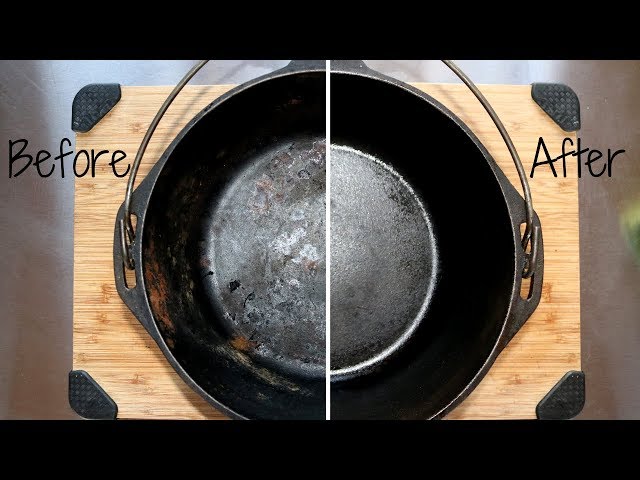
Seasoning is a thin, hard layer formed when oil bonds to metal at high heat. It makes your Dutch oven resist rust, release food better, and clean up fast. It also adds that classic dark sheen you see on well-loved cast iron.
If you ask how do you season a Dutch oven for the best results, the answer is to use thin coats of high-smoke-point oil, then bake it long enough to harden the oil. Done well, your pot becomes more nonstick over time.
Tools and Materials You’ll Need
Before you start, gather a few basics. This keeps the process smooth and safe.
- Clean, dry Dutch oven: Bare cast iron for full seasoning.
- Neutral, high-smoke-point oil: Grapeseed, canola, or avocado oil work well.
- Paper towels or lint-free cloth: For wiping oil thin and even.
- Oven and rack: Large enough to fit the pot and lid.
- Foil or tray: To catch any drips.
- Gloves or mitts: The pot will get very hot.
If you ask how do you season a Dutch oven with simple tools, this list is all you need.

Step-by-Step: How Do You Season a Dutch Oven (Bare Cast Iron)
Use this simple, repeatable method. It works for new or stripped cast iron.
- Preheat the oven to 450–500°F. High heat helps the oil bond well.
- Wash and dry the pot. Use warm water and a tiny drop of mild soap if needed. Dry fully on the stove over low heat, 3–5 minutes.
- Rub on a very thin coat of oil. Wipe the inside, outside, handle, and lid. Then wipe most of it off until it looks dry, not shiny.
- Bake upside down for 60 minutes. Place the lid beside it. Put foil or a tray on a lower rack to catch drips.
- Turn off the oven and let it cool inside. This avoids sudden temperature swings.
- Repeat 2–3 times for a tougher finish. Thin coats build a better layer than one thick one.
How do you season a Dutch oven if it is new and dull? Follow these steps as written. How do you season a Dutch oven that looks rusty? First scrub the rust off with steel wool, rinse, dry, then begin this process.

Seasoning an Enameled Dutch Oven: Do You Need To?
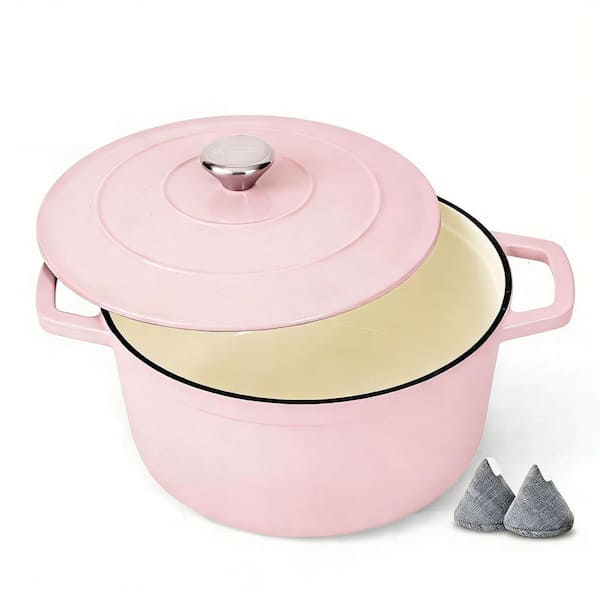
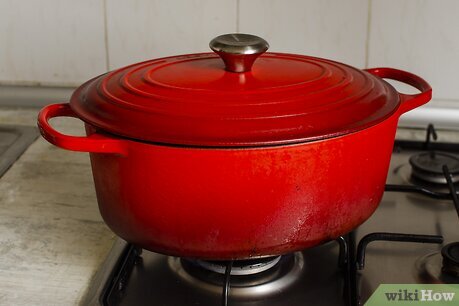
Enameled Dutch ovens, like those from Staub or Le Creuset, do not need seasoning on the enamel interior. The glass-like coating protects the iron and cleans easily. Do not bake oil on the enamel surface.
Lightly oil only the bare rim where the lid meets the pot if rust appears. Wipe a drop of oil on the raw edge, then buff it dry. If you ask how do you season a Dutch oven that is enameled, the short answer is you don’t season the enamel at all.

Choosing the Best Oil for Seasoning
You want an oil that can handle heat. Neutral oils with high smoke points form an even, hard layer.
- Great picks: Grapeseed, canola, avocado, sunflower, or refined peanut.
- Okay picks: Flaxseed (forms a hard coat but can get brittle), corn, soybean.
- Not ideal: Butter, extra-virgin olive oil, bacon grease. They smoke fast and can go sticky.
If you ask how do you season a Dutch oven for a smooth finish, choose a high-smoke-point oil and use very thin coats.
Common Mistakes and How to Fix Them
Even pros slip up. Here is how to solve the big issues.
- Sticky or gummy surface: Too much oil. Bake at 500°F for 60 minutes to harden it, or scrub back to matte and reseason with thinner coats.
- Patchy or dull spots: Not enough layers. Add two more thin coats to even it out.
- Flaking: Old buildup or poor adhesion. Strip to bare iron with steel wool or an oven-cleaner method, then restart.
- Rancid smell: Thick oil left on the surface or long storage. Wash with hot water and a little soap, dry, and do one fresh thin coat.
- Rust: Moisture exposure. Scrub rust with steel wool, rinse, dry on low heat, then reseason one to two coats.
Wondering how do you season a Dutch oven after rust shows up? Go back to a clean, dry base, then rebuild with thin layers.

Care and Maintenance After Seasoning
Good habits keep the finish strong. They also make cooking easier.
- Cook often: Fat from cooking boosts the seasoning each time.
- Clean smart: Warm water, soft brush, tiny bit of mild soap if needed. Dry fully over low heat.
- Light oiling: While warm, wipe a drop of oil, then buff until it looks dry.
- Storage: Keep the lid ajar to prevent moisture build-up. Add a paper towel inside if your kitchen is humid.
If you wonder how do you season a Dutch oven and make it last, these small steps will protect your hard work.
The Science Behind Seasoning (For Curious Cooks)
Seasoning comes from polymerization. Heat turns liquid oil into a dry, hard film that bonds to iron. As layers build, they cross-link into a strong, slick shield.
This layer is hydrophobic. It sheds water, blocks oxygen, and slows rust. If someone asks how do you season a Dutch oven and why it works, this thin, baked-on oil matrix is the reason.

Real-World Tips From My Kitchen
My first Dutch oven was my grandmother’s cast iron pot. I rushed the job and used too much oil. The surface turned tacky, and cornbread stuck. I stripped it, used very thin coats, and baked three rounds at 485°F. It came out glossy and smooth.
Since then, I answer how do you season a Dutch oven the same way: less oil than you think, more heat than you expect, and patience between coats. When in doubt, wipe off extra oil until the cloth almost looks dry. That one habit prevents 90% of problems.
Frequently Asked Questions of how do you season a dutch oven
How do you season a Dutch oven for the first time?
Wash, dry, and apply a very thin coat of oil. Bake at 450–500°F for 60 minutes, cool, and repeat 2–3 times.
How do you season a Dutch oven if it’s enameled?
You do not season the enamel interior. Only wipe a tiny bit of oil on any raw iron edges if rust appears, then buff dry.
How do you season a Dutch oven that has rust?
Scrub rust with steel wool, rinse, and dry over low heat. Apply thin oil and bake for 60 minutes; repeat as needed.
Can I use olive oil to season a Dutch oven?
Extra-virgin olive oil has a lower smoke point and can get sticky. Use grapeseed, canola, or avocado oil instead.
How often do you season a Dutch oven?
If you cook and clean it well, full seasoning is rare. Do a touch-up thin coat when food starts to stick or after deep cleaning.
How do you season a Dutch oven on the grill instead of an oven?
Heat the grill to about 475–500°F with the lid closed. Place the oiled pot upside down on the grates and bake for 60 minutes.
Conclusion
Seasoning is simple when you keep it thin, hot, and patient. Wash and dry, apply a whisper of oil, bake at high heat, and repeat. With those steps, your Dutch oven will resist rust, release food well, and serve you for years.
Ready to put this into practice today? Grab your pot, pick a neutral oil, and build three thin coats. If you found this guide useful, subscribe for more kitchen how-tos, or leave a comment with your own seasoning wins and lessons.