Reheat from frozen in oven, air fryer, or sous vide until warmed through.
If you want a café-style bite without the wait, you can nail it at home. In this guide, I’ll show you how to cook frozen sous vide egg bites so they stay tender, custardy, and full of flavor. I test these weekly for meal prep clients, and I’ll share exact methods, temps, times, and small tricks that make a big difference.

What Are Sous Vide Egg Bites, Really?
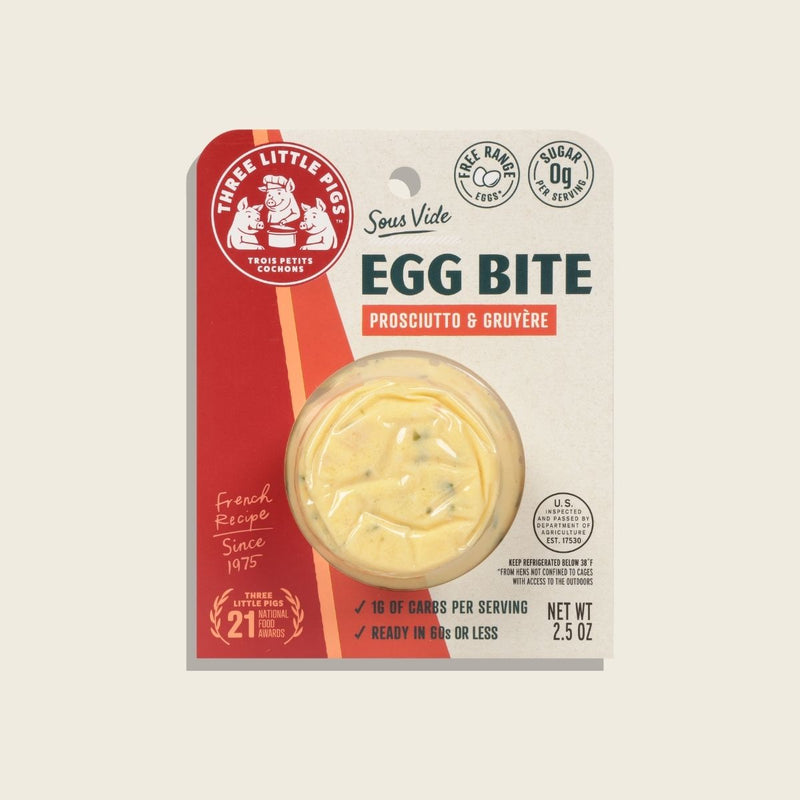
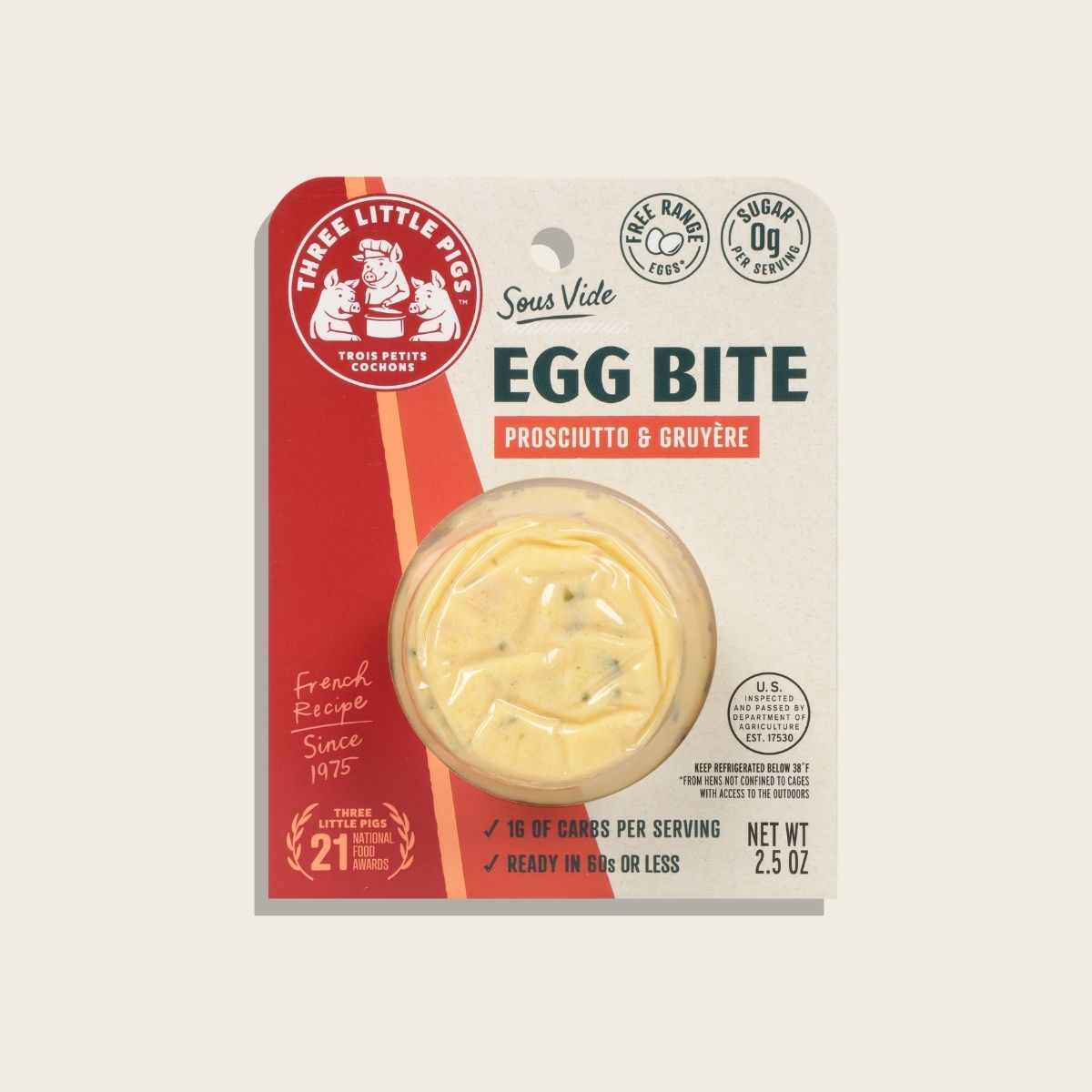
Sous vide egg bites are mini egg custards cooked low and slow. They set gently, so the texture is soft and silky. Many store-bought versions are already fully cooked, then frozen for convenience.
Because they are delicate, harsh heat can make them weepy or rubbery. The goal is even heat, a little moisture, and patience. You can still get great results fast. The best method depends on your tools, appetite, and time.
What to know before you start:
- Most brands are fully cooked. You are reheating, not cooking from raw.
- For safety, reheated egg dishes should reach 165°F in the center.
- Lower heat and cover help keep bites tender.

How to Cook Frozen Sous Vide Egg Bites: Methods at a Glance
If you want a fast, clear plan for how to cook frozen sous vide egg bites, use this guide. Pick the method that fits your gear and timeline.
Best choices by goal:
- Softest texture: Oven at 300–325°F, lightly covered, 18–25 minutes.
- Fastest, still good: Air fryer at 300°F, 12–16 minutes, wrapped in foil if browning.
- Quickest possible: Microwave at 50% power, short bursts, rest in between.
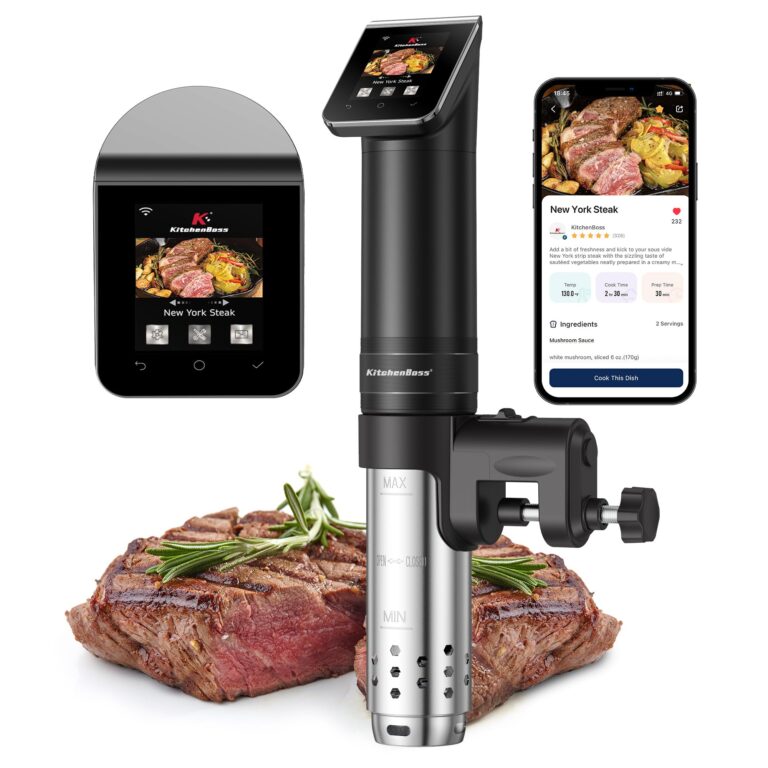
- Most consistent: Sous vide water bath, 150–167°F, 45–75 minutes.
Key tools that help:
- Instant-read thermometer to confirm 165°F in the center.
- Foil or a lid to trap moisture.
- A small dish or ramekin to hold shape and catch juices.

Oven Method: Even Heat and Soft Texture
If you ask how to cook frozen sous vide egg bites with the softest texture, use the oven. It’s gentle and even, so bites warm without tough edges.
Steps:
- Preheat to 300–325°F. Lower heat protects the custard-like texture.
- Place frozen egg bites in a small baking dish or muffin tin. Space them out.
- Add 1–2 teaspoons water to the dish. Cover loosely with foil to trap steam.
- Bake 18–25 minutes. Start checking at 15 minutes. Aim for 165°F in the center.
- Rest 2 minutes uncovered. This evens heat and releases steam.
Pro tips from my kitchen tests:
- If tops brown too fast, double-layer the foil or lower the rack.
- If the bottom looks wet, rest bites on a paper towel for 30 seconds before serving.
- For extra moisture, set the dish on a sheet pan and pour a cup of hot water onto the pan to create gentle steam.
Air Fryer Method: Fast with Light Crisp Edges
This is how to cook frozen sous vide egg bites when you need speed. Use a lower temp than you think to prevent rubbery bites.
Steps:
- Preheat air fryer to 300°F.
- Wrap each frozen bite loosely in foil. Leave a small opening for steam.
- Air fry 12–16 minutes, flipping once at 8 minutes.
- Unwrap and check for 165°F in the center. Rest 1–2 minutes.
Make it better:
- If edges get too dark, reduce to 280–290°F and add 2–3 minutes.
- For a slight crust, remove foil for the last 2 minutes.
- Crowding the basket slows heating. Cook in batches for even results.

Microwave Method: Quickest, With a Few Tricks
This is how to cook frozen sous vide egg bites when you only have a microwave. It can work well if you go low and slow.
Steps:
- Place bites on a microwave-safe plate. Cover with a damp paper towel.
- Heat at 50% power for 60–75 seconds.
- Rest 30 seconds. This helps heat move inward.
- Continue in 15–20 second bursts at 50% power until 165°F.
Avoid these mistakes:
- Full power from the start can make eggs rubbery and weepy.
- Skipping the rest period leads to cold centers and hot edges.
- If the plate gets very hot, move bites to a cool plate for final bursts.

Sous Vide Reheat Method: Restaurant-Style Consistency
Use this if you want a set-it-and-forget-it plan for how to cook frozen sous vide egg bites the way restaurants do. It’s slow but very consistent.
Two safe approaches:
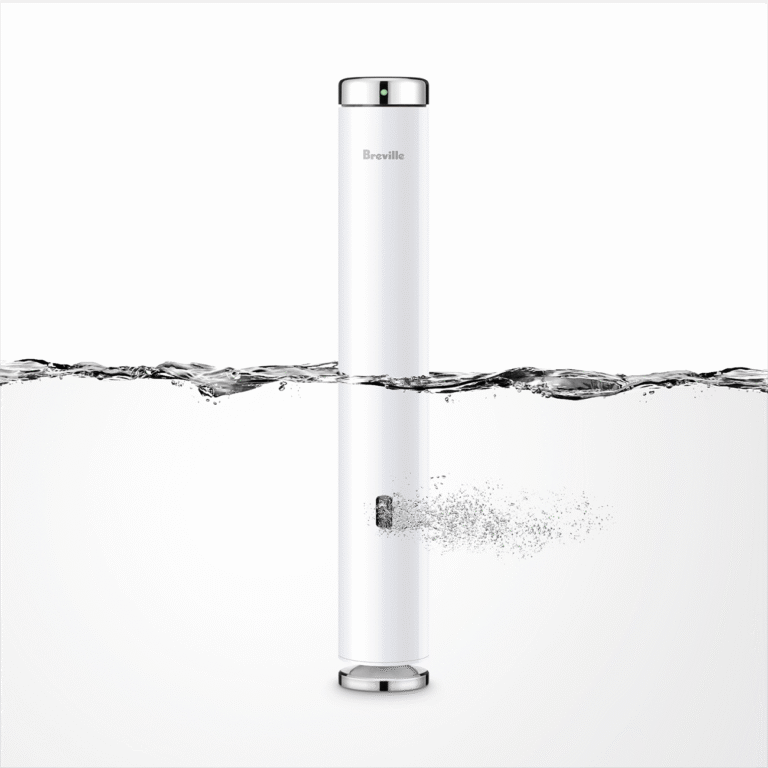
- Quality-first reheating: Keep bites sealed in a bag. Heat in a 150°F water bath for 45–60 minutes from frozen. Texture stays silky. Verify the center is hot and steaming.
- Safety-first reheating: Heat the water bath to 167°F. Warm sealed bites until the center reaches 165°F. Expect a slightly firmer set.
Practical tips:
- If bites are not already bagged, place them in a zip-top bag and lower into water to push out air before sealing.
- Clip the bag to the pot so it does not touch the circulator.
- Keep water level above the bites and cover the pot with a lid or foil to reduce heat loss.

Flavor Upgrades, Toppings, and Serving Ideas
Once you know how to cook frozen sous vide egg bites, dress them up. Small toppings go a long way without masking the delicate texture.
Easy upgrades:
- Fresh herbs: Chives, dill, or parsley for bright notes.
- Crunch: Toasted panko, fried shallots, or crispy prosciutto.
- Creamy finish: A spoon of ricotta, crème fraîche, or Greek yogurt.
- Sauces: Chili crisp, pesto, hot honey, or a light salsa verde.
- Veg sides: Arugula salad with lemon, blistered tomatoes, or sautéed spinach.
Smart pairings:
- High-protein breakfast: Egg bites, turkey bacon, berries.
- On-the-go: Pack in a thermos with a warm tortilla and salsa.
- Brunch board: Mix flavors, include pickles, olives, and seeded crackers.

Storage, Food Safety, and Troubleshooting
Understanding how to cook frozen sous vide egg bites is only half the battle. Safe handling keeps them tasty and worry-free.
Food safety basics:
- Internal temp: Reheat to 165°F in the center for egg dishes.
- Refreezing: Avoid refreezing once thawed for best texture and safety.
- Fridge time: Eat within 3–4 days after thawing.
Common issues and fixes:
- Rubbery texture: Heat was too high or too fast. Lower temp, cover, and rest.
- Watery bites: Condensation collects on the surface. Rest on a paper towel for 30 seconds.
- Split or cracked: Direct high heat. Add moisture, cover, and preheat the oven or air fryer.
- Uneven heating: Use a thermometer. Rotate pan or basket halfway.
Here is how to cook frozen sous vide egg bites without drying them out:
- Add a teaspoon of water to the dish and cover loosely.
- Use 50% power in the microwave with short bursts.
- In an air fryer, wrap loosely in foil to shield from harsh air.
Frequently Asked Questions of how to cook frozen sous vide egg bites
What is the safest method for how to cook frozen sous vide egg bites?
Use the oven at 300–325°F or a sous vide bath at 167°F. In both cases, confirm the center reaches 165°F.
Do I need to thaw egg bites before reheating?
No. You can reheat them straight from frozen. Thawing helps speed things up but is not required.
Does an air fryer change how to cook frozen sous vide egg bites?
Yes. Use lower heat, around 300°F, and wrap loosely in foil. This prevents tough edges and keeps the center tender.
Why do my egg bites weep water after heating?
Condensation collects when hot bites hit cooler air. Rest them 1–2 minutes, then blot gently before serving.
How do I keep egg bites from getting rubbery in the microwave?
Use 50% power, short bursts, and a damp paper towel cover. Let them rest between bursts so heat spreads evenly.
Conclusion
You now have clear, tested ways to get tender, café-style results at home. Pick the method that fits your day, confirm 165°F in the center, and use gentle heat, a cover, and a short rest.
Try one method this week and note your favorite time and temp. If this helped, share it with a friend, subscribe for more kitchen-tested guides, or drop a comment with your own tweaks.