Set the temp, bag the food, submerge, cook, then sear for flavor.
If you want steak like a fine bistro, silky salmon, or tender carrots every time, keep reading. I’ll show you how to use sous vide machine with simple steps, clear temps, and real tips I learned at home and in test kitchens. This guide will help you avoid guesswork, save money, and plate food that makes people smile.
:max_bytes(150000):strip_icc()/tattoo-chef-cooking-sous-vide-FT-BLOG0617-1a5e085e14424d47947051f4e7921f4a.jpg)
What sous vide is and why it works
Sous vide means under vacuum. You cook food in a sealed bag in a water bath. The water stays at a steady temperature. The food warms to that exact temp, edge to edge.
This helps tough cuts get tender. It also keeps lean meat juicy. It is slow and calm, so flavors bloom. You will learn how to use sous vide machine to lock in taste and hit the same doneness every time.
There are limits. You still need a fast sear for color. Crisp skin needs a pan or a torch. You also need to follow food safety rules. But once you learn how to use sous vide machine, your kitchen gets more calm, not more hard.
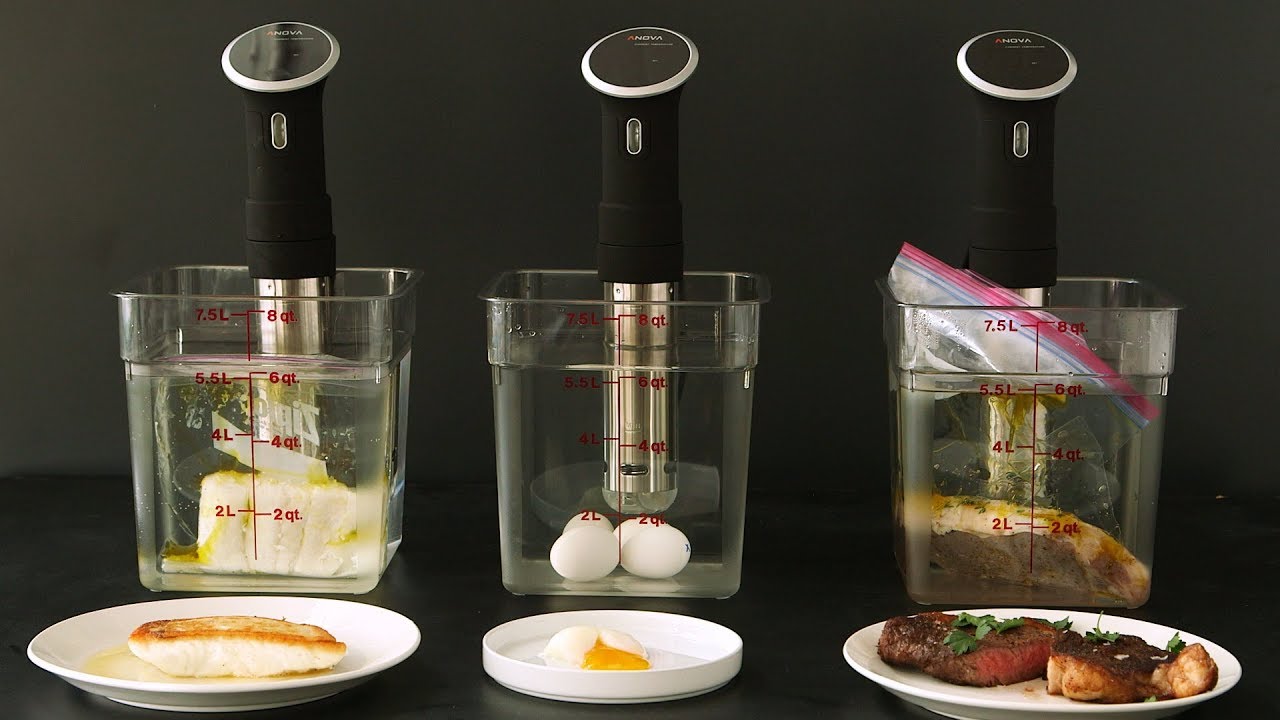
The gear you need
You do not need a lot. Here is the basic kit I use.
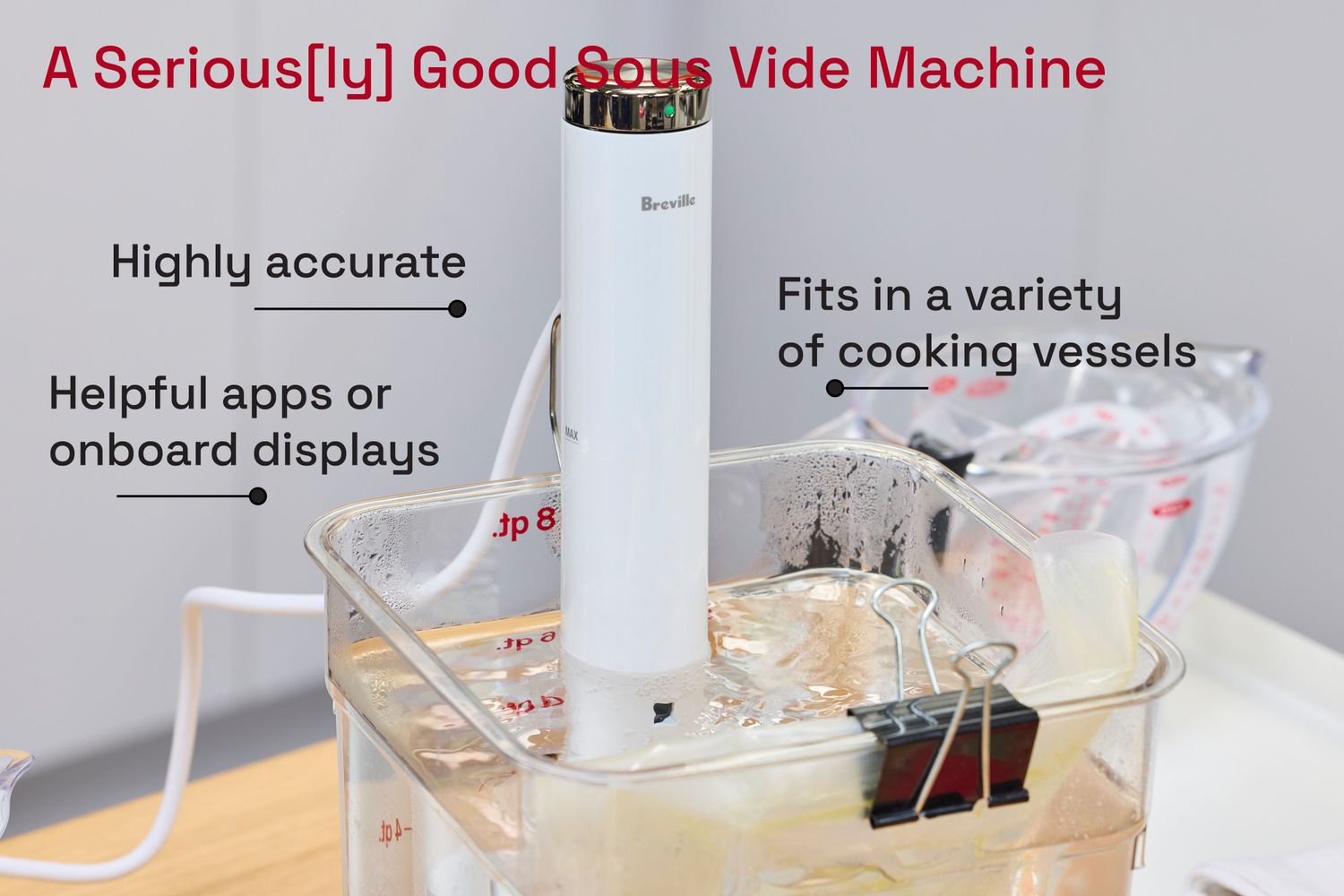
- Immersion circulator. This is the sous vide stick that heats and moves the water.
- Container or pot. A deep stock pot works. A polycarbonate tub is handy and light.
- Bags. Use vacuum sealer bags or freezer-grade zip-top bags. Both work well.
- Clips or weights. Keep bags from floating. Binder clips and spoons work in a pinch.
- Rack or trivet. Helps water flow around bags.
- Skillet or torch. For searing after the bath. Cast iron is great.
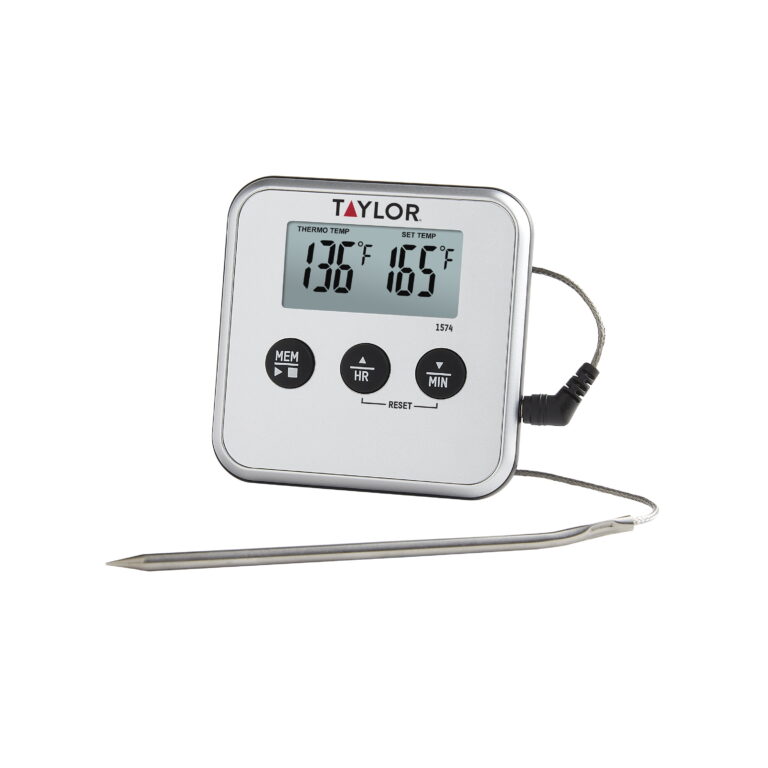
- Thermometer. Optional, but nice for checking oil temp for searing.
- Lid or cover. A lid, foil, or ping pong balls cut heat loss on long cooks.
This simple kit is enough to learn how to use sous vide machine at home. I have cooked for small dinners and big meal prep with the same setup.
:max_bytes(150000):strip_icc()/sea-primary-sous-vide-machines-oct-24-rkilgore-1-84a5137c3b7b48c98408d7dac237e3f6.jpeg)
Step-by-step: how to use sous vide machine
Here is the clear, repeatable process I follow. It is fast to learn. It is hard to mess up.
- Season the food. Salt, pepper, herbs, and a bit of oil work well. Skip lots of raw garlic for long cooks. It can taste harsh.
- Bag it right. Use a single layer. Add a little oil or butter for even heat. For zip-top bags, use the water displacement method to push out air.
- Fill the pot. Attach the circulator. Set the water to your target temp.
- Heat the bath. Wait for the water to reach the set temp. This is key for accuracy.
- Submerge the bag. Clip it so the seam stays above water. Make sure the food is fully under water.
- Stop the float. Use a weight or clip if needed. Floating traps air and slows cooking.
- Set a timer. Use the guide below, or the maker’s app. Longer is okay within a safe range.
- Optional chill. For meal prep, chill in an ice bath before the fridge.
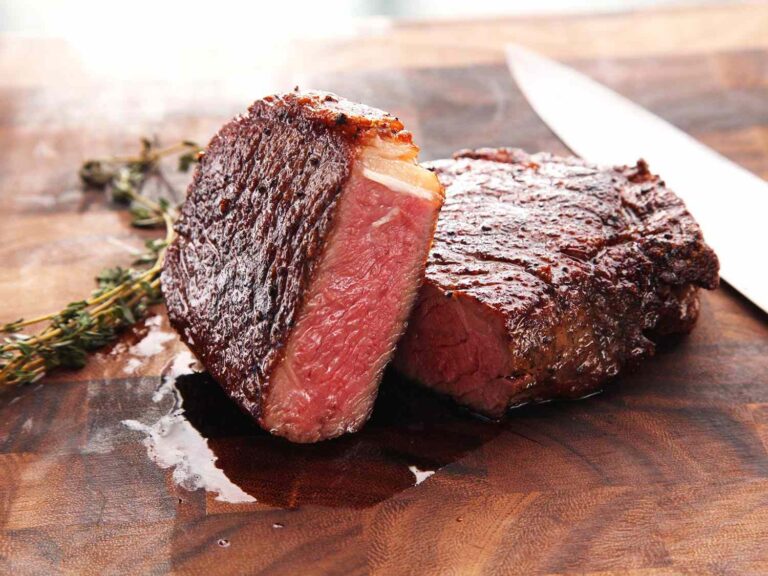
- Sear to finish. Dry the food well. Use a hot pan, ghee, or high-heat oil. Sear 30 to 60 seconds per side.
- Serve and enjoy. Clean the tub and circulator when cool. That keeps it ready for next time.
When I learned how to use sous vide machine, my first bag floated. The center ran cool. A simple spoon clip fixed it. Little tricks like that make a big change.

Time and temperature guide for common foods
These temps give safe, tasty results. Times are for pieces about 1 to 2 inches thick. Adjust for thicker items.
- Steak, medium-rare. 129°F for 1.5 to 3 hours.
- Steak, medium. 135°F for 1.5 to 3 hours.
- Pork chops. 140°F for 1.5 to 3 hours.
- Chicken breast. 149°F for 1.5 to 3 hours.
- Chicken thighs. 165°F for 1 to 4 hours.
- Salmon. 122°F for 30 to 45 minutes.
- Cod or halibut. 132°F for 30 to 45 minutes.
- Shrimp. 135°F for 15 to 30 minutes.
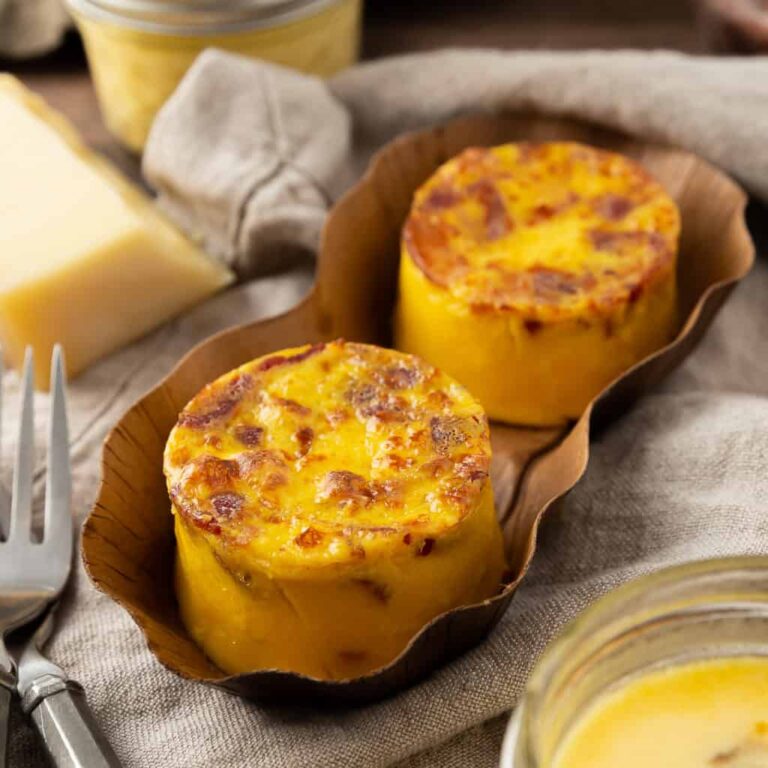
- Eggs, jammy. 145°F for 45 minutes.
- Carrots. 183°F for 1 to 2 hours.
- Asparagus. 180°F for 10 to 15 minutes.
- Short ribs, fork-tender. 155°F for 24 to 36 hours.
Use these as a start. Taste, then adjust a degree or two next time. That is the joy of how to use sous vide machine. You can dial in your perfect bite.
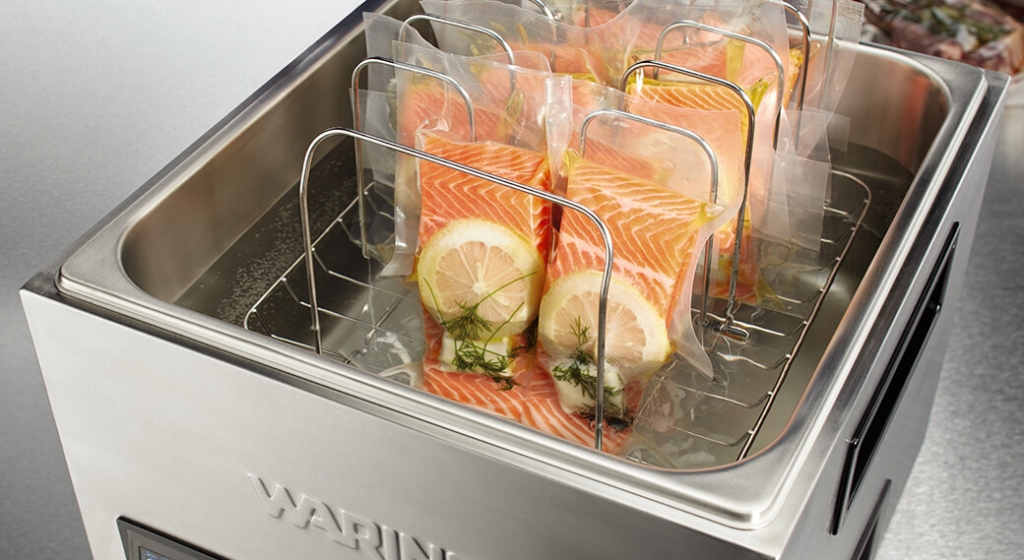
Food safety and bag basics
Sous vide is safe when you control time and temp. Keep these rules in mind.
- Keep it cold before the bath. Raw meat should be at fridge temp.
- Use safe temps. Poultry and ground meat need temps that kill germs. Time at temp also matters. The bath holds that temp steady.
- Do not leave food in the danger zone. If you pause, chill fast in an ice bath.
- For meal prep, chill and store right. Chill sealed food in half ice, half water. Then refrigerate up to 4 days. Freeze up to 3 months.
- Reheat in the bath. Set 1 to 2°F below your serve temp to avoid overcooking.
About bags:
- Use vacuum sealer bags or strong freezer zip bags that are food-safe and heat-safe.
- Do not use thin storage bags. They can leak or soften at high heat.
- Keep the seal line dry for a tight seal.
- Do not stack sharp bones near the seam.
These steps are part of how to use sous vide machine with care. They keep flavor high and risk low.
Troubleshooting and pro tips
Here are fixes I use when things go wrong.
- Bag floats. Use a clip and a spoon. Or add a stainless rack. Air is the enemy.
- Water drops over long cooks. Cover the pot. Top up with hot water if needed.
- Gray steak after bath. The sear was too cool or too long. Dry very well. Sear fast in a ripping-hot pan.
- Mushy fish. Temp was too high or time too long. Try 120 to 122°F for 30 to 45 minutes.
- Garlic bite in long cooks. Use garlic powder or confit garlic. Raw garlic can taste sharp after many hours.
- Uneven doneness. Food was bunched up in the bag. Lay in a single layer next time.
- No vacuum sealer? Use the water method with a zip bag. It works great.
Expert tip from years of use: salt early for steak and pork. Salt late for chicken breast if you want a slick, tender bite. Keep notes. That is how to use sous vide machine like a pro at home.
:max_bytes(150000):strip_icc()/sea-sous-vide-machines-criteria-5674c55779fb47018d03120f0b1ce89e.jpg)
Meal prep, batch cooking, and finishing methods
Sous vide is a meal prep star. You cook once, then finish fast all week.
- Batch cook proteins. Make a few bags of chicken or pork. Chill in ice. Store in the fridge.
- Reheat with the bath. Set the bath to 1 to 2°F under the original temp. Warm, then sear for a minute.
- Finish with style. Use a hot cast iron pan, a grill, or a torch. Butter basting adds shine. Fresh herbs wake up the dish.
- Sauce in the bag. The juices in the bag make a great pan sauce. Reduce with a bit of stock and butter.
I use this flow for busy weeks. Learn how to use sous vide machine once, and you gain time back each night.

Frequently Asked Questions of how to use sous vide machine
How long can I leave food in the bath?
Most foods are fine at temp for the listed time plus 1 to 2 hours. Very long holds can change texture, so avoid big extra time for fish or eggs.
Can I use zip-top bags instead of a vacuum sealer?
Yes. Use sturdy freezer-grade bags and the water displacement method. Keep the seal line dry and above water.
Do I need to sear after sous vide?
For most meats, yes. The bath gives doneness and juice. The sear adds browning, aroma, and texture.
Is sous vide safe for chicken at 149°F?
Yes, when held long enough to pasteurize. Time at temp kills germs; that is why steady heat matters.
Can I cook from frozen?
Yes. Add about 30 minutes for thin cuts and up to 60 minutes for thicker items. Do not thaw on the counter.
Why did my bag fill with air during cooking?
Tiny gaps or hot steam can pull air in. Reseal with a vacuum sealer or double-bag with a zip bag next time.
What oil should I use to sear?
Use high-heat oils like avocado, grapeseed, or ghee. Heat the pan until it shimmers before searing.
Conclusion
You now know how to use sous vide machine for steady heat, safe cooking, and bold flavor. Set the temp, bag it right, hold the time, then sear with confidence. Small tweaks, like a good dry-off before searing, make a big win.
Pick one item this week, like chicken breast at 149°F or steak at 129°F. Take notes on time, texture, and taste. Share what you learned, ask questions, and subscribe for new guides and simple recipes you can trust.