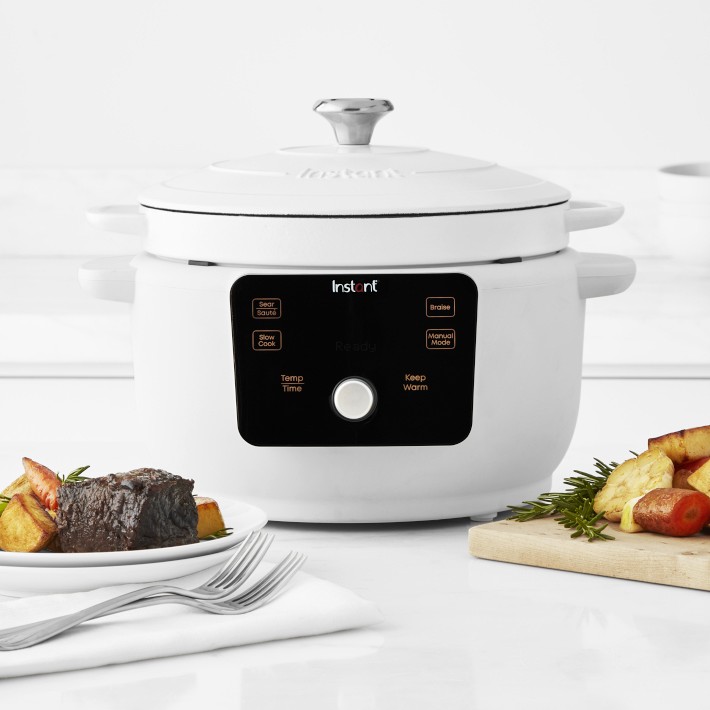
Coat with a very thin layer of oil, bake hot, and repeat several times.
You are here because you want a clear, friendly guide on how to season a cast iron dutch oven that actually works. I have seasoned dozens of pots for home cooks and pros. In this guide, I share the exact steps, why they work, and the fixes that save you time and stress.
What Is Seasoning and Why It Matters
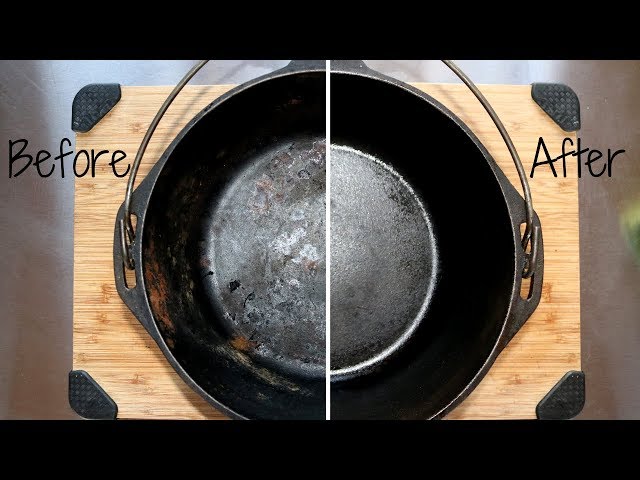
Seasoning is a hard, slick layer that bonds to the iron. It forms when oil transforms under high heat. The surface becomes dark, smooth, and water-repellent. Food sticks less. Rust stays away. Cleanup gets easy.
The science is simple. Heat turns a thin coat of oil into a plastic-like film. This is called polymerization. Each thin layer is fragile on its own. Many thin layers become tough and durable.
If you want to master how to season a cast iron dutch oven, understanding this layer is the key. Thick oil will not cure well. Thin oil will.

Tools and Materials You’ll Need
You do not need much to get great results.
- Neutral oil with a high smoke point such as grapeseed, canola, or safflower
- Paper towels or a lint-free cloth
- Tongs or gloves for hot handling
- Aluminum foil or a baking sheet to catch drips
- A clean, dry dutch oven with lid
- Optional scrubber for prep such as chain mail or a stiff brush
These basics support the entire process. With them, you can repeat how to season a cast iron dutch oven any time.
Step-by-Step: How to Season a Cast Iron Dutch Oven
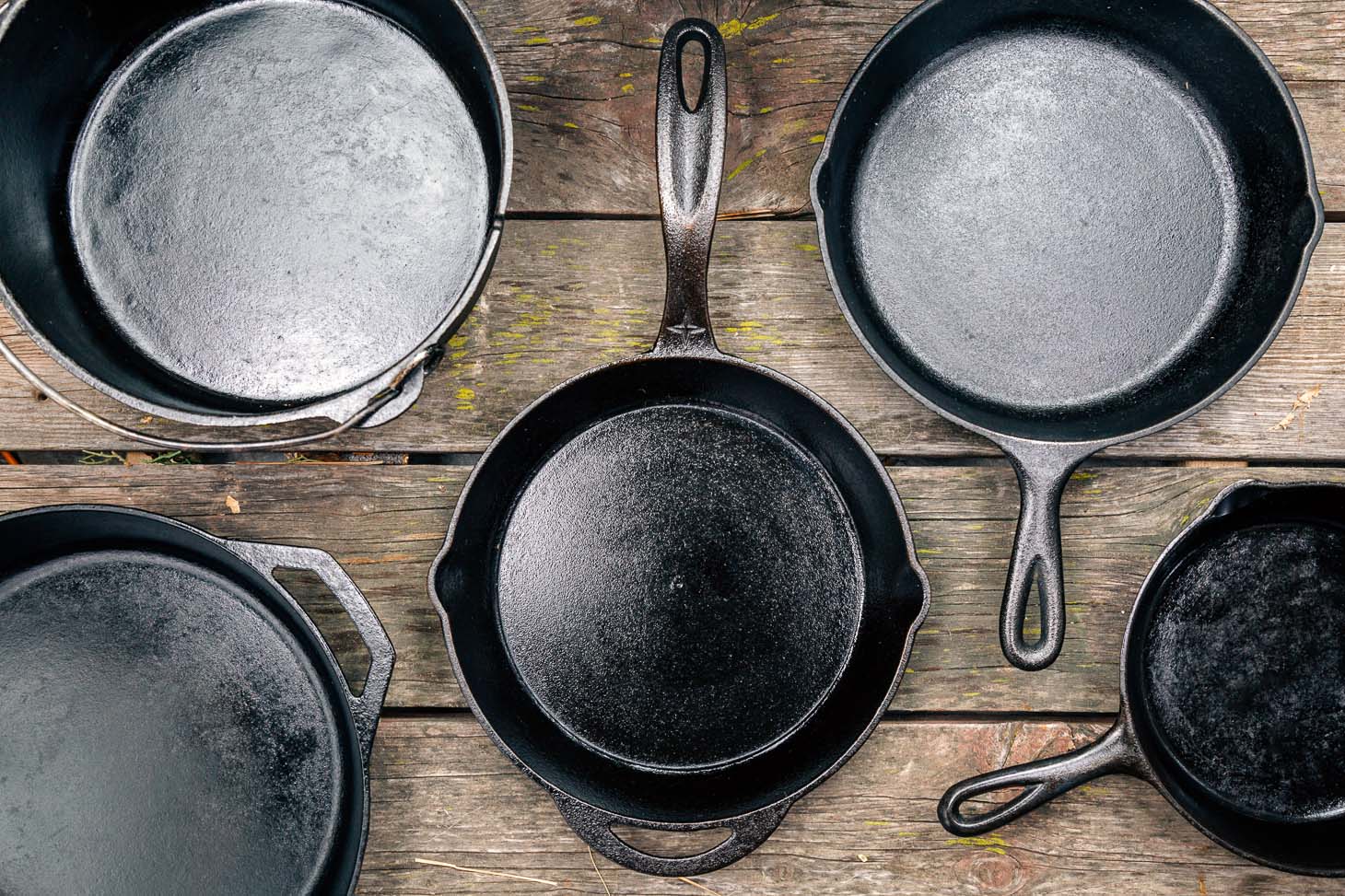
This is the reliable, repeatable way I teach beginners how to season a cast iron dutch oven. It works on new, old, and thrift store finds.
- Prep and clean
- Wash the pot and lid with warm water. Use a small amount of mild soap if needed.
- Scrub off any residue. Rinse well.
- Dry fully. Place on low heat for a few minutes to chase away moisture.
- Apply a whisper-thin coat of oil
- Add a teaspoon of oil to the pot.
- Wipe it over every surface, inside and out, including the lid.
- Now wipe it almost dry. The pot should look matte, not wet or streaky.
- Bake to cure the oil
- Place the oven rack in the middle. Set a foil-lined sheet on a lower rack to catch drips.
- Heat the oven to 450 to 500°F.
- Invert the pot on the rack. Place the lid next to it, also inverted.
- Bake for 60 minutes. Turn on ventilation. It may smoke a bit.
- Turn off the oven. Let everything cool inside until safe to handle.
- Repeat thin layers
- For a strong base, add two or three more thin coats.
- Each coat should be ultra thin. Wipe off excess.
- Bake 60 minutes per coat. Cool between rounds.
- Optional grill method
- A gas or charcoal grill works well outdoors.
- Heat to medium-high. Place the pot and lid inverted.
- Close the lid and cure each thin coat for about 60 minutes.
- Quick stovetop boost
- For touch-ups, heat the pot on medium.
- Wipe on a very thin film of oil. Polish it almost dry.
- Heat 10 to 15 minutes until it looks dry and dark.
This is how to season a cast iron dutch oven the smart way. Keep each layer thin. Build strength with repetition. The finish will be dark, hard, and slick.
Choosing the Right Oil for Seasoning
Oil choice matters, but technique matters more. Use a neutral oil with a high smoke point. Cure it at high heat. Keep layers thin.
-
Grapeseed oil
Light taste and good smoke point. It cures clean and even. -
Canola or soybean oil
Easy to find and budget friendly. Great for regular upkeep. -
Safflower or sunflower oil
High smoke points and consistent results. -
Flaxseed oil
Can leave a very hard coat. It can also flake if applied too thick or cured too cool. -
Animal fats
They work, but can leave strong smells. They may go rancid in storage.
The key is repeatable heat and very thin coats. That is the core of how to season a cast iron dutch oven, no matter the oil you choose.
Fixing Problems: Rust, Sticky Spots, Flaking
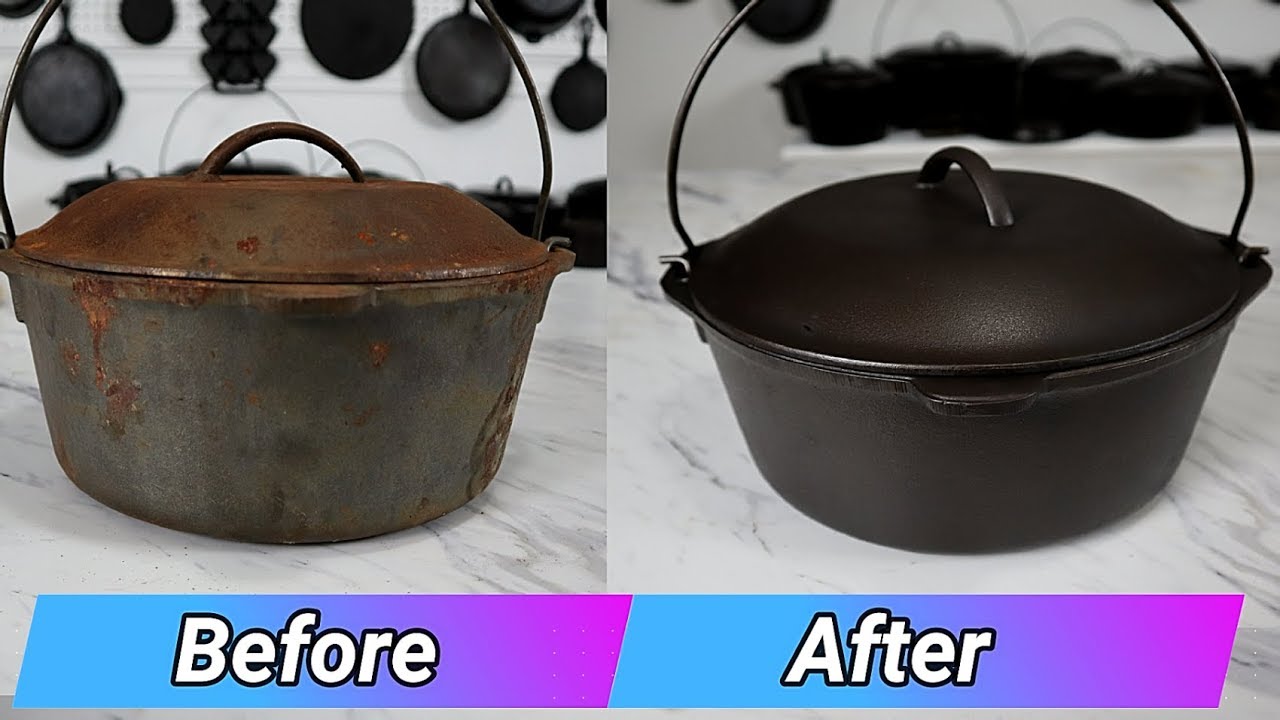
I have saved many rough pots that looked beyond help. You can too with simple steps.
-
Light rust
Scrub with a stiff brush or fine steel wool. Rinse and dry. Wipe with vinegar for a minute if needed. Do not soak in vinegar for long. Rinse and dry again. Reseason with thin coats. -
Heavy rust
Use a longer scrub session. A short vinegar and water bath can help. Watch the pot. Pull it as soon as rust lifts. Rinse, dry with heat, and season right away. -
Sticky, gummy oil
This comes from thick coats or low heat. Scrub the sticky spots with hot water and a brush. Wipe on a thin coat. Bake again at 450 to 500°F. -
Flaking
This means old seasoning is weak or uneven. Strip flaky areas with steel wool. Build back with two or three very thin coats.
These steps restore the surface and keep how to season a cast iron dutch oven simple and safe.

Ongoing Care and Maintenance
Seasoning gets stronger with good habits. A little care after each meal goes a long way.
-
Clean
Rinse with hot water while the pot is warm. Use a brush or chain mail. Mild soap is fine if needed. Avoid long soaks. -
Dry
Set the pot on low heat until all moisture is gone. -
Oil
Rub a tiny drop of oil over the warm surface. Wipe it dry until the sheen is subtle. -
Store
Keep the lid ajar with a paper towel to allow air flow.
Do this daily routine and you will not need a full reset often. It is also the easiest part of how to season a cast iron dutch oven for life.

Cooking Tips to Build and Protect Seasoning
You can build the finish as you cook. Choose foods and heat that help.
-
Use a bit more fat for the first few cooks
Fry potatoes, sear chicken thighs, or make cornbread. These foods feed the seasoning. -
Avoid long, acidic cooks at first
Skip day-long tomato sauces in the first week. Add them later when the layer is strong. -
Preheat well
Give the pot 5 to 10 minutes on low to medium heat. Hot iron is more nonstick. -
Stir and flip with confidence
Use wood, silicone, or metal tools. They will not ruin a proper cure.
These simple habits grow the finish fast. They keep how to season a cast iron dutch oven simple and stress free.

Safety and Troubleshooting
A few small steps make the process safe and smooth.
-
Manage smoke
Use an exhaust fan or open a window. Slight smoke is normal at high heat. -
Handle with care
Use dry oven mitts. Cast iron holds heat for a long time. -
Oil cloth safety
Oily rags can self-heat. Lay them flat to dry or seal them in a metal can before you toss them. -
Watch for smells
If you smell sticky oil after curing, your coat was too thick. Wipe it down and cure again at higher heat.
Small fixes like these help you learn how to season a cast iron dutch oven with confidence every time.
Frequently Asked Questions of how to season a cast iron dutch oven
How often should I season my dutch oven?
Do a full oven seasoning when the surface looks dull, rusty, or sticky. Light maintenance oiling after each cook keeps the layer strong.
Can I use soap on cast iron?
Yes, mild soap is safe on a well-seasoned surface. Rinse well, dry with heat, and wipe on a tiny bit of oil after washing.
What temperature is best for seasoning?
Aim for 450 to 500°F for one hour per coat. Thin coats plus high heat create a hard, even cure.
Which oil is best for seasoning?
Use a neutral, high smoke point oil like grapeseed, canola, or safflower. Technique matters more than the exact oil.
Is my dutch oven ruined if it rusts?
No, rust is common and fixable. Scrub it off, dry with heat, and rebuild seasoning with two or three thin coats.
Can I season an enameled dutch oven?
Do not season the enamel interior. You can lightly oil and season any bare cast iron rims to prevent rust.
Why is my seasoning sticky after baking?
Too much oil or too low heat causes gumminess. Wipe the surface almost dry and bake again at 450 to 500°F.
Conclusion
You now know how to season a cast iron dutch oven from start to finish. Keep coats thin. Bake hot. Repeat as needed. Clean, dry, and oil lightly after each meal. Cook fatty foods early to build a bulletproof layer.
Take your pot out tonight and do one thin coat. Tomorrow, add another. In a week, your surface will be slick, dark, and ready for anything. If this guide helped, share it with a friend, subscribe for more cast iron tips, or leave a comment with your results.