Yes—quality cast iron and enameled Dutch ovens are generally non toxic when used properly.
I have tested and cooked with many Dutch ovens over the years in both home and pro kitchens. In this guide, we will answer are dutch ovens non toxic from every angle. You will learn how materials behave, what can leach, how to shop safe, and how to care for your pot for life.
What Is a Dutch Oven and What Is It Made Of?
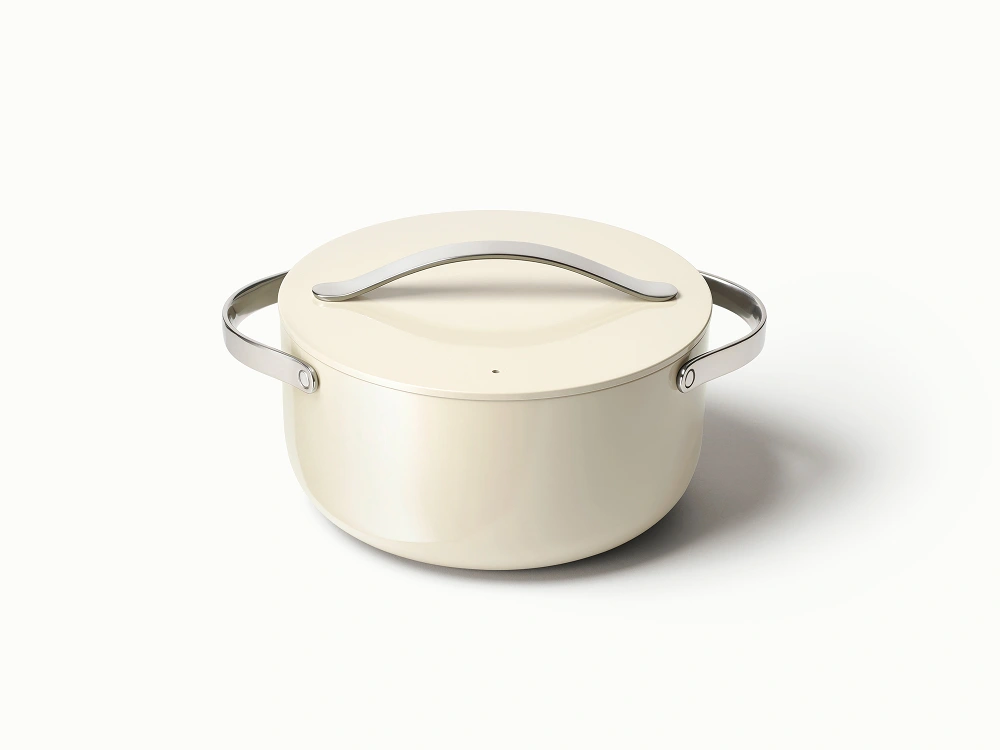
A Dutch oven is a thick-walled pot with a tight lid. It is built to hold heat and moisture. It is great for soups, braises, bread, and stews.
Most common builds:
- Enameled cast iron. Cast iron with a glass enamel layer on top.
- Bare cast iron. Raw iron that you season with oil.
- Ceramic or clay. Often stoneware for oven use.
- Rare: aluminum or steel sold as “Dutch ovens,” often for camping.
The material matters. Are dutch ovens non toxic depends on which type you choose and how you use it.

Are Dutch Ovens Non Toxic? A Material‑by‑Material Guide
The short answer is yes, with the right brand and care. But each material has its own safety notes. If you ask are dutch ovens non toxic in real kitchens, the details below are what cooks look at.
Enameled cast iron
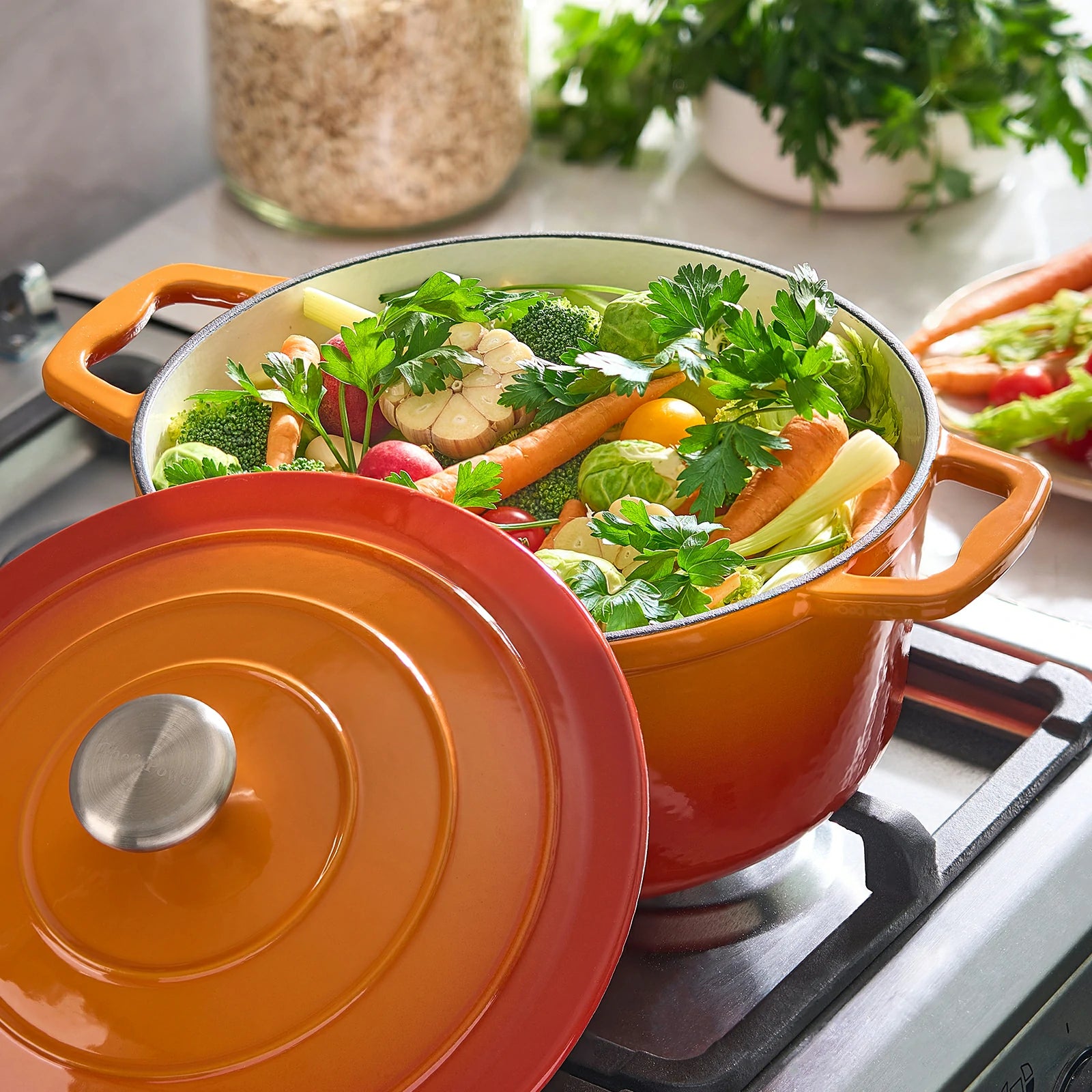
Enamel is glass fused to iron. It has no PTFE or PFOA. It does not need seasoning. Good enamel is smooth, hard, and inert.
Safety notes:
- Modern enamel should meet food-contact rules. Many top brands state lead- and cadmium-free enamel for food surfaces.
- Bright reds and oranges once used cadmium pigments in the past. Reputable makers now meet strict limits.
- Chips can expose iron. Small chips on the rim are common and not a toxin risk. Large interior chips can rust and snag utensils.
So, are dutch ovens non toxic when enamel is intact? Yes, for reputable brands that meet current standards.
Bare cast iron
Bare iron can leach a little iron into food. This can be helpful if you are low in iron. It may not suit those with hemochromatosis.
Safety notes:
- It has no chemical coating. The “nonstick” is a polymerized oil layer, which is stable.
- Acidic foods, like tomato sauce, can boost iron leaching. Flavor may taste metallic if the seasoning is weak.
- Keep it dry and seasoned to prevent rust.
So, are dutch ovens non toxic when they are bare cast iron? Yes, if seasoned and used with care.
Ceramic or clay
Stoneware and high-fired ceramic are glassy and stable. They are common for bread and casseroles.
Safety notes:
- Look for clear labels that state lead- and cadmium-free or compliant glazes.
- Very old or unlabeled pieces may not meet today’s limits.
- Avoid thermal shock. Do not go from freezer to hot oven.
Are dutch ovens non toxic when ceramic is certified? Yes, when glazes meet modern food-contact rules.
“Dutch ovens” with nonstick or unknown coatings
Some low-cost pots use nonstick sprays or painted interiors. They are not true Dutch ovens.
Safety notes:
- If it has a slick, dark coating that scratches, it may be PTFE-based. That is not standard for Dutch ovens.
- Skip unknown coatings for long, high-heat braises.
Are dutch ovens non toxic if they use mystery coatings? Not a safe bet. Choose enamel, bare iron, or certified ceramic.
What Can Leach Into Food and When?
Leaching depends on time, temperature, acidity, and wear. Think of a long simmer like a slow conversation between food and pot.
Common scenarios:
- From enamel: Good enamel is inert. Traces of metals from pigments are tightly bound. Modern limits are very strict. Risk rises if enamel is poor quality or deeply damaged.
- From bare iron: Iron can leach, more so with acid and long cook times. Many see this as a benefit, but not all.
- From lids and knobs: Some knobs use stainless steel. Nickel can be a concern for those with severe allergies. Swap to a silicone or steel grade you tolerate.
Are dutch ovens non toxic during long tomato braises? With intact enamel or well-seasoned iron, yes. Keep enamel smooth and seasoning strong to stay safe.

How to Choose a Safe, Non-Toxic Dutch Oven
A few smart checks go a long way. I use this list when I buy for clients.
- Pick reputable brands. They publish compliance with FDA and California Prop 65.
- Prefer light interiors on enamel. You can see chips and stains sooner.
- Check for labeling. Look for lead- and cadmium-free claims on food-contact surfaces.
- Avoid unknown or vintage enamel for cooking acidic foods. Use them as decor if not certified.
- Inspect finish. Enamel should look even, with no pinholes or rough patches.
- Choose a simple knob. Stainless steel knobs handle heat. If you have nickel issues, choose a nickel-free or silicone knob.
- Size for your use. A 5.5–7.25 quart fits most homes. Larger sizes get very heavy.
Are dutch ovens non toxic if you follow this list? Yes, you can shop with confidence.

Maintenance Habits That Keep It Non Toxic
Care is part of safety. A well-kept pot cooks clean.
For enameled cast iron:
- Use wood or silicone tools. Metal can chip the enamel.
- Avoid sudden temperature swings. Warm the pot with the burner.
- Hand wash. Use a non-abrasive scrubber and a paste of baking soda if needed.
- Watch for chips inside. If deep chips appear, reserve for bread or dry roasting.
For bare cast iron:
- Keep it seasoned. Thin layers of oil, baked on, build a safe surface.
- Dry right away. Heat on low to drive off water after washing.
- Use less acid or shorter times if you taste metal.
Are dutch ovens non toxic with good care? Yes, and they last for decades.

Real-World Experience: What I’ve Learned Using Dutch Ovens
I have used enameled cast iron from top French and American brands for years. My daily pot has a cream interior. It makes it easy to spot chips. After hundreds of stews and sourdough bakes, the enamel is still smooth.
A few lessons:
- Cheap enamel chips fast. A chipped lid rim is fine. A crater inside the pot is not.
- Tomato sauce in bare iron can taste metallic if the seasoning is weak. I now use enamel for long red sauces.
- I once tested a bright vintage red pot with an XRF device at a local shop. The exterior had trace cadmium but the interior was within safe limits. I still kept it for bread only. Better safe than sorry.
These small habits answer are dutch ovens non toxic in daily life. Yes, if you pick well and treat your pot with care.

Health and Safety Standards That Matter
Regulatory checks give peace of mind. Here is what to look for.
- Food-contact compliance statements. Makers should confirm their cookware meets current rules.
- Prop 65 adherence. This covers lead and cadmium in California.
- Third-party testing. Some brands release lab data for leach testing.
- Warranty and transparency. Brands that share glaze details build trust.
Ask customer support if you are unsure. A clear, written reply helps you decide. Are dutch ovens non toxic per these standards? With top brands, the answer is yes.

Cooking Tips To Reduce Any Risk
Small tweaks make a big difference.
- Preheat low and slow. Then raise heat. This protects enamel.
- Keep to medium heat. Dutch ovens hold heat well. High heat is rarely needed.
- Use enough fat. It protects seasoning on bare iron.
- Do not store food in the pot. Transfer leftovers to glass.
- Clean stains with a gentle soak of warm water and baking soda.
Follow these steps, and are dutch ovens non toxic becomes a simple yes.
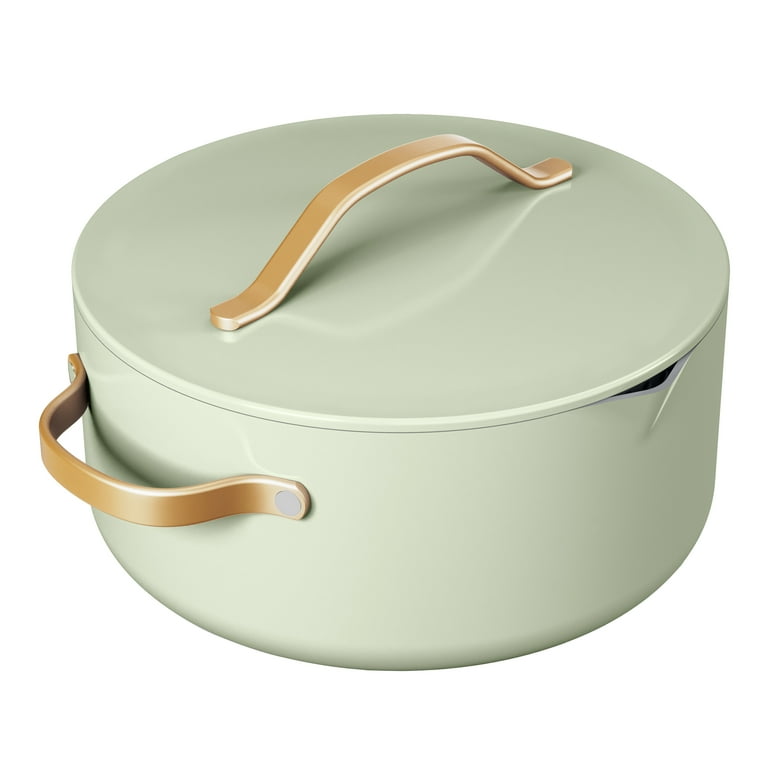
Frequently Asked Questions of are dutch ovens non toxic
Are Dutch ovens non toxic for everyday cooking?
Yes. Quality enameled or bare cast iron Dutch ovens are safe for daily use when cared for. Choose reputable brands and avoid damaged interiors.
Can enamel Dutch ovens contain lead or cadmium?
Modern food-contact enamel must meet strict limits. Buy from brands that state compliance and avoid unknown vintage pieces for acidic cooking.
Do Dutch ovens have PFAS or Teflon?
Traditional Dutch ovens do not use PTFE or PFOA. Enamel is a glass layer, and bare cast iron has no chemical coating.
Is iron leaching from bare cast iron safe?
Most people tolerate small amounts of iron. If you have hemochromatosis or are sensitive, use enameled cast iron for acidic or long cooks.
How do I test a Dutch oven for safety?
Check the maker’s compliance statements and any Prop 65 notes. For older pieces, seek professional XRF testing rather than home swabs.
Are chipped enamel Dutch ovens still safe?
Small rim chips are common and not a toxin risk. Deep chips on the cooking surface can rust and should be assessed or retired from wet cooking.
What size Dutch oven is best and safe?
Safety is about build, not size. For most homes, 5.5–7.25 quarts balances capacity and weight.
Conclusion
Dutch ovens are some of the safest, most versatile pots you can own. With solid brands, intact enamel or good seasoning, and mindful care, your answer to are dutch ovens non toxic stays a confident yes. Choose well, cook smart, and your pot will serve clean meals for decades.
Ready to upgrade your kitchen? Pick a trusted brand, inspect the finish, and start with a hearty stew this week. If you found this helpful, subscribe for more hands-on kitchen safety guides or leave a comment with your Dutch oven wins and worries.