Attach, set temp and time, bag food, cook in water, then sear briefly.
If you want to master how to use an anova sous vide, you are in the right place. I cook with an Anova many times a week. I know the wins and the pitfalls. This guide gives you clear steps, pro tips, and safe temps. You will learn how to use an anova sous vide with ease, and get food that tastes like a steakhouse.
What sous vide is and how the Anova works
Sous vide means cooking in a warm water bath. The food sits in a sealed bag. The water stays at one set heat. This gives you even doneness edge to edge.
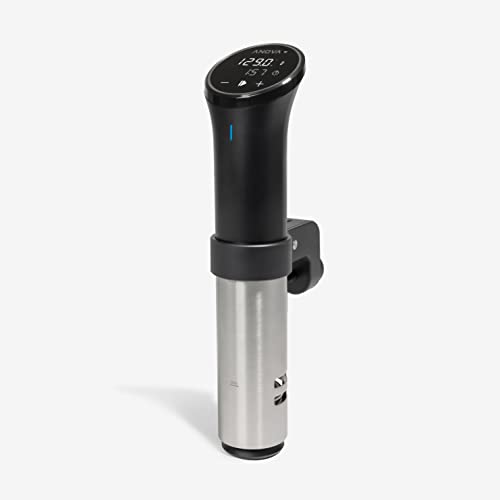
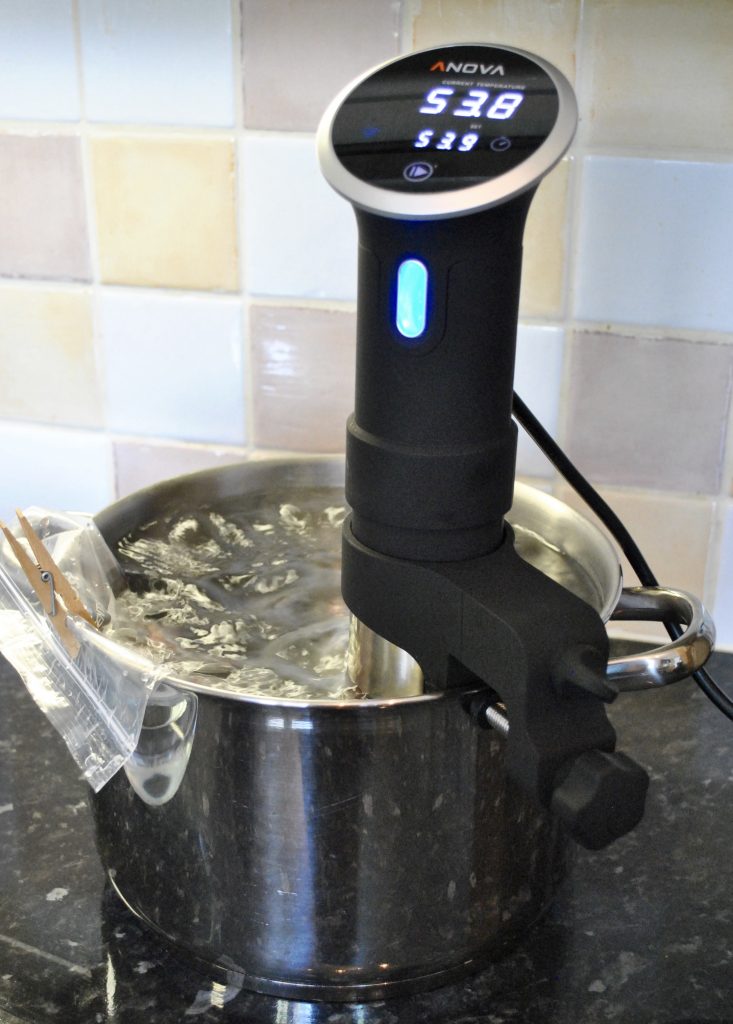
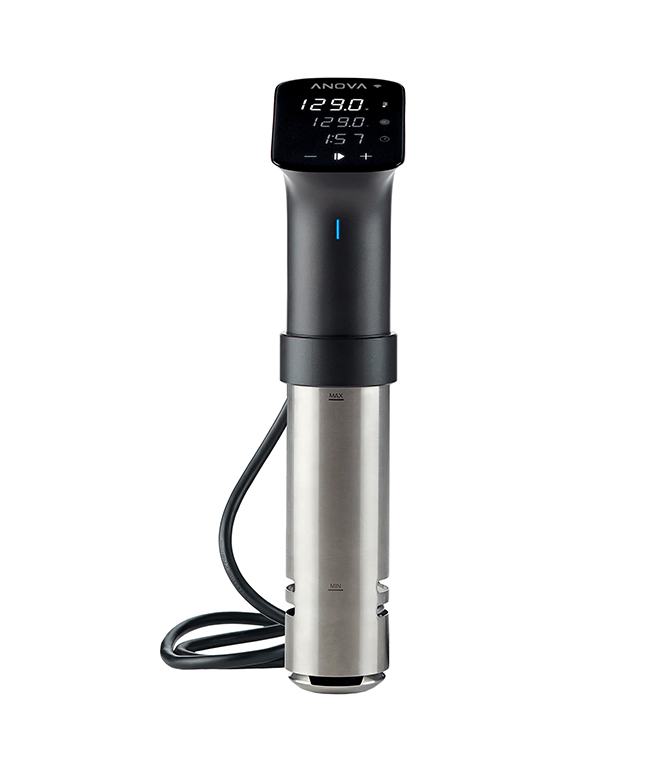
An Anova is an immersion circulator. It clips to a pot. It heats and moves the water. You set a time and a temp. You can do that on the device or in the app. The app adds guides, timers, and alerts.
Why it works so well is simple. Water holds temp better than air. Your steak will not overshoot if you follow the rules. This is the core of how to use an Anova sous vide.
Gear you need to use an Anova sous vide
You do not need much to start. Here is a clean list.
- Anova Precision Cooker, Nano or Pro
- A deep pot or a heat safe tub
- A lid or ping pong balls to slow heat loss
- Heavy duty zip bags or vacuum sealer bags
- Binder clips or a rack to stop floating
- Tongs, paper towels, and a sheet pan
- A cast iron pan or a grill for the sear
- High smoke point oil, like canola or avocado
If you ask how to use an anova sous vide with no vacuum sealer, no stress. Zip bags and the water displacement trick work great.
:max_bytes(150000):strip_icc()/sea-primary-sous-vide-machines-oct-24-rkilgore-1-84a5137c3b7b48c98408d7dac237e3f6.jpeg)
Step-by-step: how to use an Anova sous vide
Follow these steps for a smooth first cook. I add quick tips I use at home.
-
Attach and fill
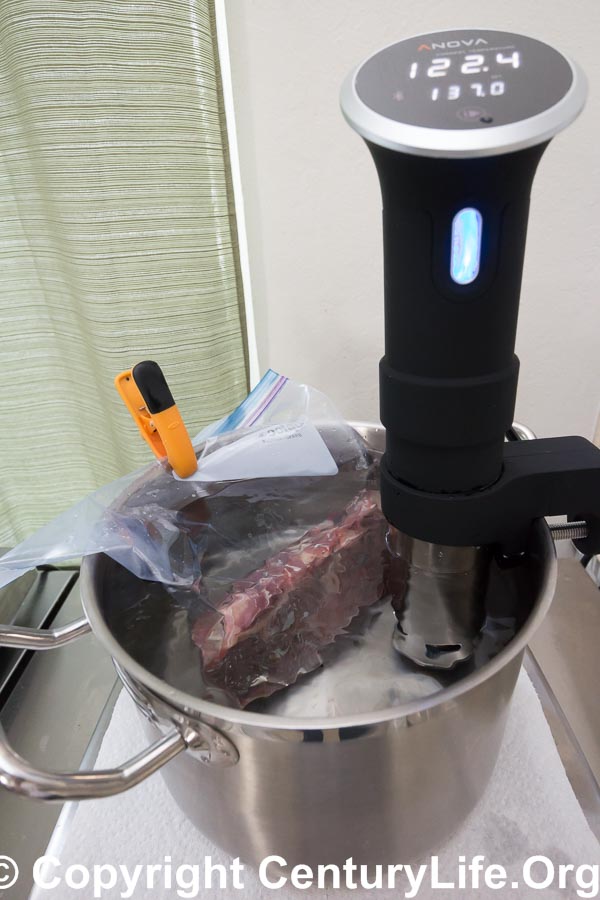
Clamp the Anova to your pot. Fill with warm tap water. Stay between the min and max lines. Cover if you can. This saves time and power. -
Set temp and time
Turn the dial to your target temp. Or use the app. Hit start to preheat. Let it come to temp before the food goes in. -
Prep, season, and bag
Season your food. Use salt, pepper, and herbs. Slide it into a bag in one flat layer. Add a small spoon of oil or butter if you like. Do not add too much liquid. -
Remove the air
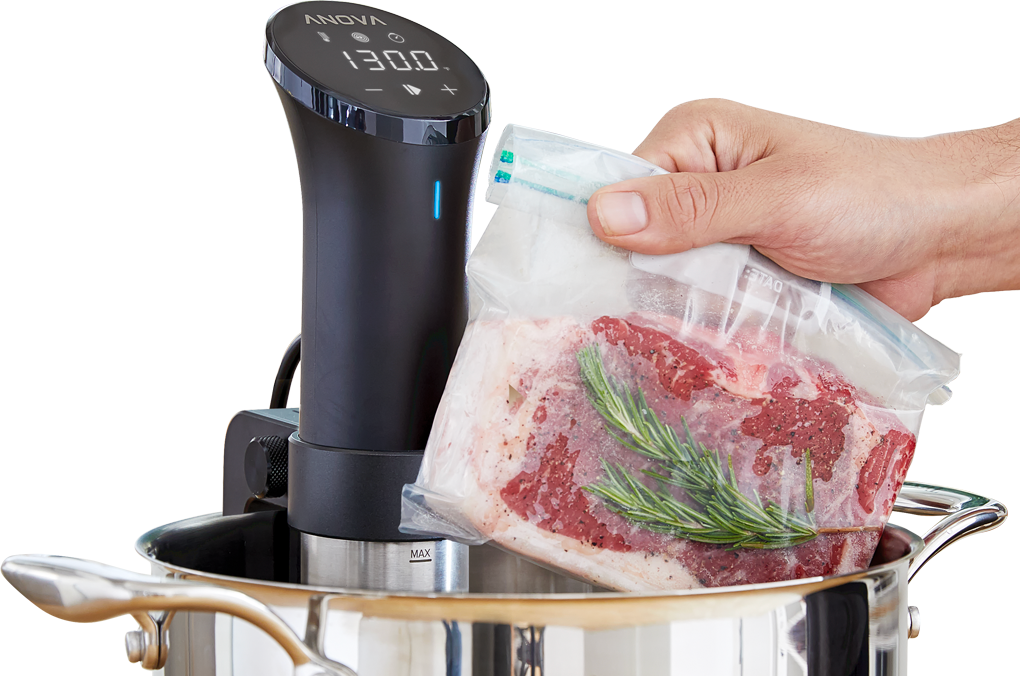
Use the water displacement method. Lower the bag into the water. Let the water push out the air. Seal the top just above the water line. Clip the top to the pot. -
Submerge and space
Make sure the bag is under water and not touching the heater. Use a rack or clips to space bags. If it floats, add a small spoon or a weight to the bag edge. -
Cook and monitor
Start the timer. Keep the lid on. Top up water if the level drops. The app can send low water alerts. This is a key part of how to use an anova sous vide the right way. -
Remove and rest
When time is up, pull the bag. For meat, keep the juices in the bag. Pat the surface very dry with towels. Dry meat browns fast. -
Finish with a quick sear
Heat a pan until it smokes a bit. Add a thin coat of oil. Sear 30 to 60 seconds per side. Do edges too. Baste with butter and herbs if you want. -
Serve or chill
Eat right away. Or chill fast in an ice bath for 30 minutes. Then store in the fridge for up to a few days. Reheat in the bath, then sear.
Pro tips from my kitchen:
- Dry the meat more than you think. Wet meat will steam.
- Preheat the pan for at least two minutes.
- Do not crowd the pan. Sear in small batches.
- Use the app to avoid guess work. It helps a lot when learning how to use an anova sous vide.
Time and temperature cheat sheet
Use these start points. Thicker cuts need more time. Most mid‑size pieces cook in 1 to 3 hours. Tough cuts take much longer.
Steak
- Rare: 125°F, 1 to 2.5 hours
- Medium-rare: 129°F, 1.5 to 3 hours
- Medium: 135°F, 1.5 to 3 hours
Pork
- Chops, tender: 140°F, 1.5 to 3 hours
- Shoulder, pulled style: 165°F, 18 to 24 hours
Chicken
- Breast, juicy: 140°F, 1.5 to 3 hours
- Thighs, tender: 165°F, 1.5 to 4 hours
Fish
- Salmon, soft: 122°F, 30 to 45 minutes
* Cod, firm: 130°F, 30 to 45 minutes
Eggs in shell
- Soft, jammy: 145°F, 45 minutes
- Custardy yolk: 147°F, 1 hour
Veg
- Carrots: 183°F, 1 to 2 hours
- Potatoes: 194°F, 1 to 2 hours
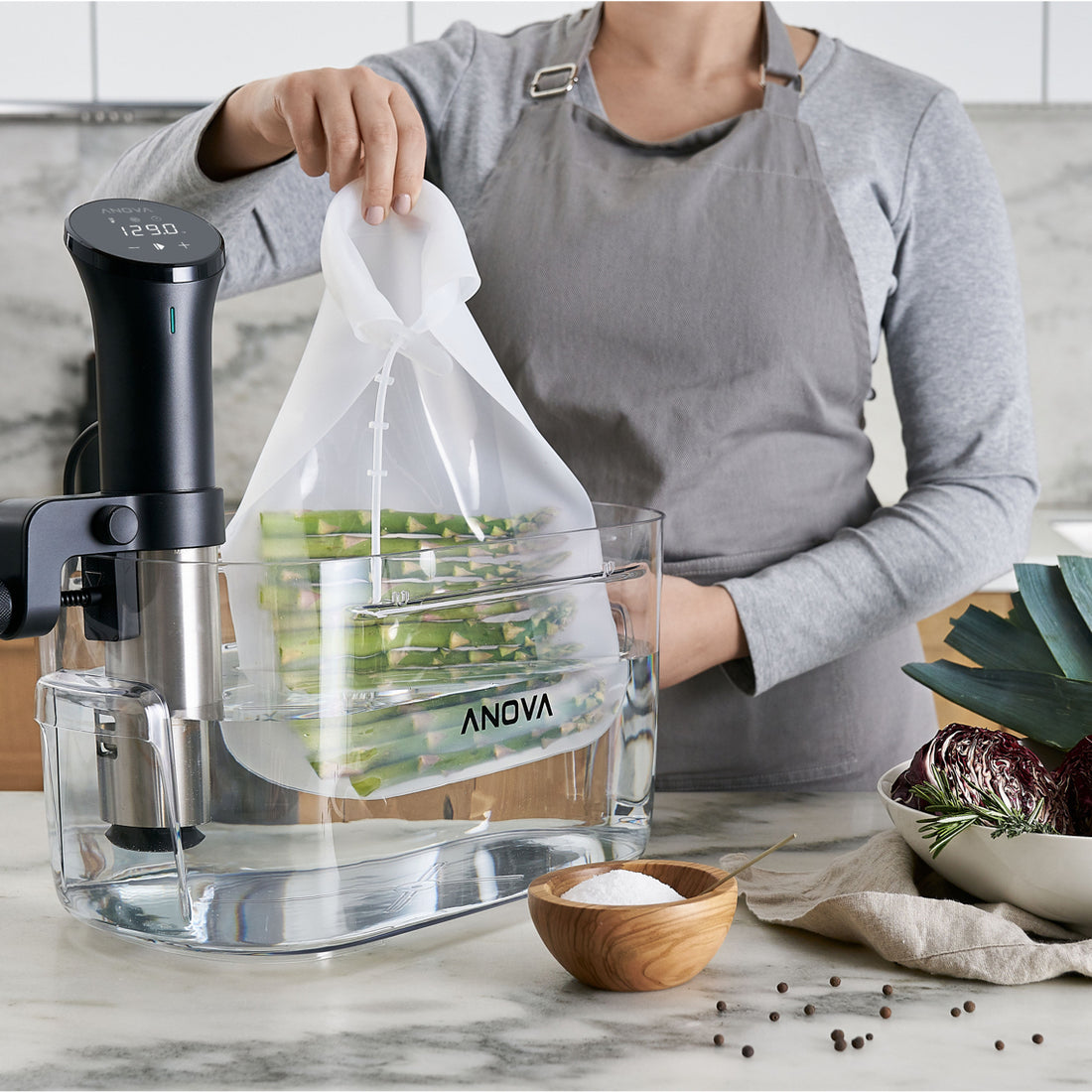
- Asparagus: 180°F, 10 to 15 minutes
Note on safety: temps at or above 130°F will pasteurize over time. Thin foods need less time. Thicker foods need more. If you are not sure, add extra time, not extra heat. That is key when you learn how to use an anova sous vide.
Food safety and bagging best practices
Keep it clean and cold until you cook. Raw meat should stay at 40°F or less. Set your bath to 130°F or more for all long cooks. This keeps risk low.
Use food safe bags only. Heavy duty freezer zip bags work well. For long cooks over 8 hours, use vacuum bags if you can. They hold better at heat.
Do not leave food at room temp in a sealed bag. Chill fast in an ice bath if you plan to store. Label with date and temp. Reheat back in the bath, not in a pan. Follow these steps and you will feel safe as you learn how to use an anova sous vide.
Finishing techniques for restaurant results
The sear makes the magic. You want a dark crust. You want no gray ring.
- Pan sear: heat cast iron until very hot. Add a thin oil film. Sear each side 30 to 60 seconds. Add butter, garlic, and herbs at the end.
- Torch + pan: do a quick pass with a torch, then a short pan sear. This speeds browning and keeps the core cool.
- Grill finish: sear over high heat for fast grill marks. Keep the lid open to avoid overheat.
Two rules I learned the hard way. Dry the meat as if it were glass. And do not sear for too long. I once turned a perfect ribeye gray by searing for three minutes. Now I set a timer. This is a small but big win in how to use an anova sous vide.

Troubleshooting and common mistakes when learning how to use an Anova sous vide
Here are fixes for issues I see a lot.
- Floating bags: switch to a rack, add a weight, or use less marinade.
- Leaky bags: double bag and clip the seal above water.
- Weak sear: meat was wet or pan too cool. Dry more and heat more.
- Mushy fish: temp was too high or time too long. Drop to 118°F to 122°F. Cook no more than 45 minutes.
- Rubbery eggs: temp too high. Try 145°F to 147°F and adjust by five minutes.
If you hit a snag, slow down and check each step. Most issues come from a wet surface or a cool pan. That is true across the board when you think about how to use an anova sous vide.

Cleaning and care for your Anova
Treat the device well and it will last for years.
- Unplug and let it cool before you clean it.
- Empty the pot and wipe the body dry.
- Descale every few weeks with a 50/50 water and white vinegar bath for 20 minutes at 140°F.
- Rinse, then run in clean water for five minutes.
- Keep the pump guard free of debris.
Store the unit dry. Hard water builds up fast. Good care is part of how to use an anova sous vide like a pro.
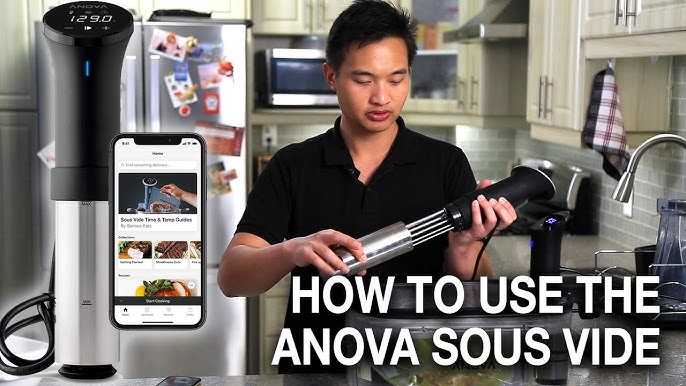
Advanced tips and the Anova app
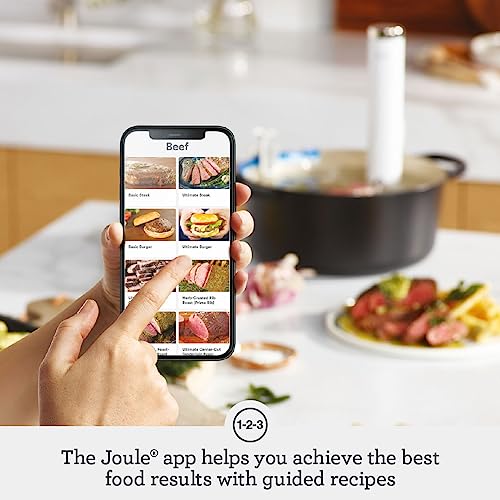
The app adds speed and ease. It also adds control.
- Use guides to set time and temp with one tap.
- Start and stop from your phone. You can check status from another room.
- Schedule a preheat so the bath is ready when you are.
- Save your own recipes and notes.
For batch cooks, the app is a star. It keeps your steps tight. It helps you dial in how to use an anova sous vide for your taste.
Meal prep workflow: cook now, sear later
Sous vide is perfect for prep days. Here is a plan I use a lot.
- Cook five chicken breasts at 140°F for two hours.
- Chill in an ice bath for 30 minutes. Dry the bags and store cold.
- On busy nights, reheat at 140°F for 30 minutes. Sear for 45 seconds per side. Dinner is done.
You can do this with steak, pork, or tofu. Label each bag. Note the cook temp and date. This habit locks in safe and fast meals. It is a smart way to live how to use an anova sous vide every week.
Frequently Asked Questions of how to use an anova sous vide
Can I cook from frozen with sous vide?
Yes. Add about 30 minutes for thin cuts and up to one hour for thick cuts. Season before freezing or add a quick rub in the bag.
Do I need a vacuum sealer to start?
No. Heavy duty zip bags work well. Use the water displacement method to push out the air.
How do I stop bags from floating?
Leave less air in the bag and keep the seal above water. Use a rack or add a small weight to the bag’s edge.
Why is my steak not browning well?
It was likely wet or the pan was not hot enough. Pat it very dry and preheat the pan until it just smokes.
Is it safe to cook chicken at 140°F?
Yes, if you hold it long enough to pasteurize. Two hours at 140°F for average thickness breasts is a safe target.
Can I reuse the cooking water?
Yes, if it looks clean. Let it cool, then pour it out. Wipe the pot and store the Anova dry.
How much water should I use?
Keep the level between the device’s min and max marks. More water helps hold temp for long cooks.
Conclusion
You now know how to use an anova sous vide from start to sear. You can set temps, bag like a pro, and finish with a crisp crust. You can batch cook and reheat fast on busy nights.
Pick one recipe from this guide and try it today. Start with steak or chicken. Keep notes on time, temp, and taste. Then tweak to your style. If this helped, share it with a friend, subscribe for more tips, or leave a comment with your next cook.