Yes, most Dutch ovens are oven safe when used within maker temperature limits.
If you have wondered are dutch ovens oven safe, here is a clear, tested guide. I cook with them every week, from sourdough at 475°F to slow braises. You will learn what matters, what to avoid, and how to get the best results from your Dutch oven in the oven.

What makes a Dutch oven oven safe?
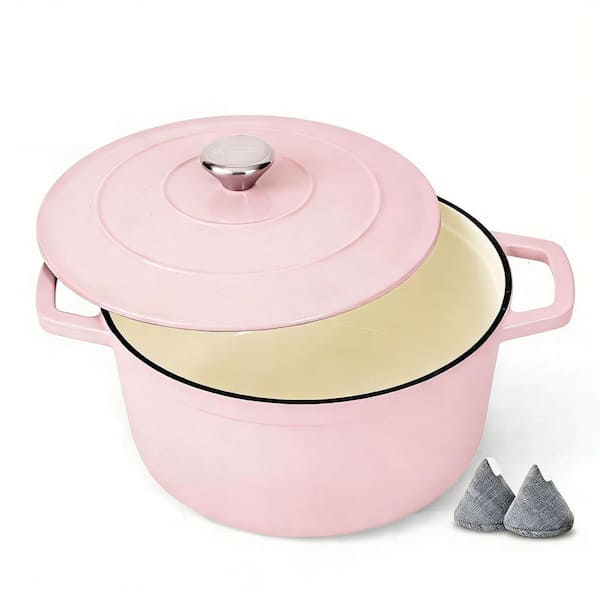
A Dutch oven is a thick, heavy pot with a tight lid. Most are cast iron, bare or enameled. Some are ceramic or aluminum. The key to oven safety is the base material, the enamel or coating, and the hardware.
Bare cast iron can handle high heat. Enameled cast iron is also strong but needs care. Ceramic and nonstick models have lower limits. Hardware like knobs, handles, and gaskets set the ceiling too. So when people ask, are dutch ovens oven safe, the real answer is, it depends on these parts working together.
Always check three things:
- Material rating. Cast iron handles more heat than nonstick or some ceramics.
- Enamel type. Quality enamel tolerates heat well but hates shock.
- Lid hardware. Stainless knobs beat plastic knobs for higher heat.
:max_bytes(150000):strip_icc()/dutch-ovens-grace-kelly-5ca6a5df252f41c1885d574cc88871a3.jpg)
Common materials and typical temperature limits
These are general ranges from major makers and industry guidance. Your manual wins if numbers differ.
- Bare cast iron Dutch ovens: Often safe well above 500°F. Many bakers use 500–550°F. The lid handle must also be metal.
- Enameled cast iron Dutch ovens: Commonly rated to 500°F. Some list 480–500°F. Older phenolic knobs may be 375–400°F.
- Stainless steel Dutch ovens: Often 500°F or higher. Check the lid and any silicone parts.
- Ceramic or stoneware Dutch ovens: Often 400–500°F. Avoid broilers and sudden changes.
- Aluminum nonstick Dutch ovens: Often 350–400°F due to coating limits. Not ideal for bread at very high heat.
This is why the question, are dutch ovens oven safe, needs the brand and model to be sure. Many big names rate to 500°F with stainless knobs. Older knobs can be the weak link.

Lids, knobs, handles, and the broiler rule
The pot may be safe, but is the lid? Hardware sets the real ceiling.
- Phenolic or composite knobs: Often 375–400°F. Replace with stainless for higher heat.
- Stainless steel knobs and handles: Commonly 500°F+ and broiler friendly. Confirm in the manual.
- Silicone gaskets or lid seals: Keep away from broilers. Check their max temp.
- Under the broiler: Enameled cast iron can go under a broiler if all parts are metal and rated. Keep it on a lower rack and monitor closely.
A lot of people ask are dutch ovens oven safe under broilers. They can be, but only when the knob, handles, and enamel are rated for that direct top heat.

How to use a Dutch oven in the oven safely
Follow these simple, reliable steps that I use at home.
- Read your manual. Confirm the max temperature for the pot, lid, and knob.
- Avoid preheating empty. Heat the pot with food inside or add a little oil.
- Warm up in stages. Do not go from fridge-cold to a 500°F oven.
- Use the middle rack. It helps heat spread more evenly.
- For bread, line the base. A small piece of parchment prevents sticking and helps cleanup.
- Keep it dry on the outside. Moisture on enamel can flash to steam and stain.
- Do not shock with water. Let the pot cool before washing. Avoid cold tap water on hot enamel.
- Lift, do not drag. Sliding can scratch enamel or racks.
- Use dry oven mitts. Wet pads transfer steam heat fast and can burn.
When you wonder are dutch ovens oven safe for daily cooking, these habits make them safer and help them last.

Common mistakes and how to fix them
- Preheating empty at high heat: Can discolor enamel. Add a bit of oil or start with food inside.
- Using a plastic knob at 500°F: Swap to a stainless knob before high-heat baking.
- Fridge-to-oven moves: Can crack enamel. Rest the pot on the counter first.
- Broiling with the lid on: Often not needed and can stress hardware. Use the base only if the lid is not broiler safe.
- Rapid cool-down with cold water: Wait until warm to the touch, then wash.
If you still ask are dutch ovens oven safe after a scare, check for fine hairline enamel cracks. Contact the maker if unsure.
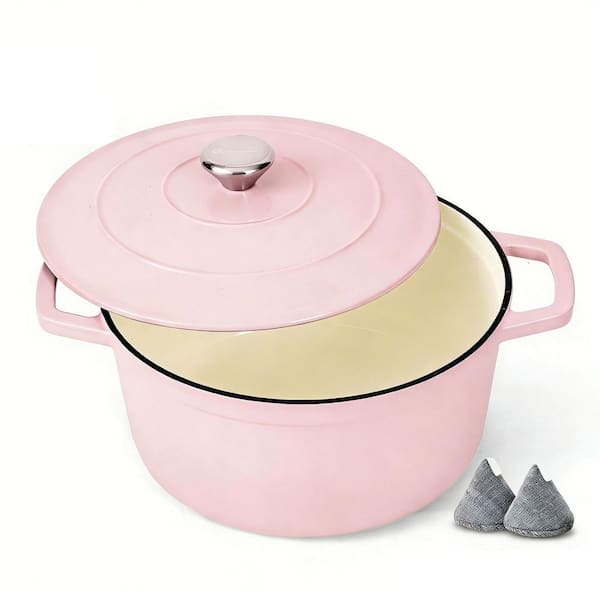
Real-world notes from my kitchen
I bake sourdough in an enameled Dutch oven at 475°F. It traps steam and gives a deep crust. I use a stainless knob rated above 500°F. That setup has been rock solid for years.
For weeknights, I braise short ribs at 325–350°F for three hours. No issues. Once, I put a hot pot under the tap. The enamel dulled a bit. Lesson learned. Let it cool first. If you ask me, are dutch ovens oven safe for bread and braises, I can say yes with care and the right hardware.
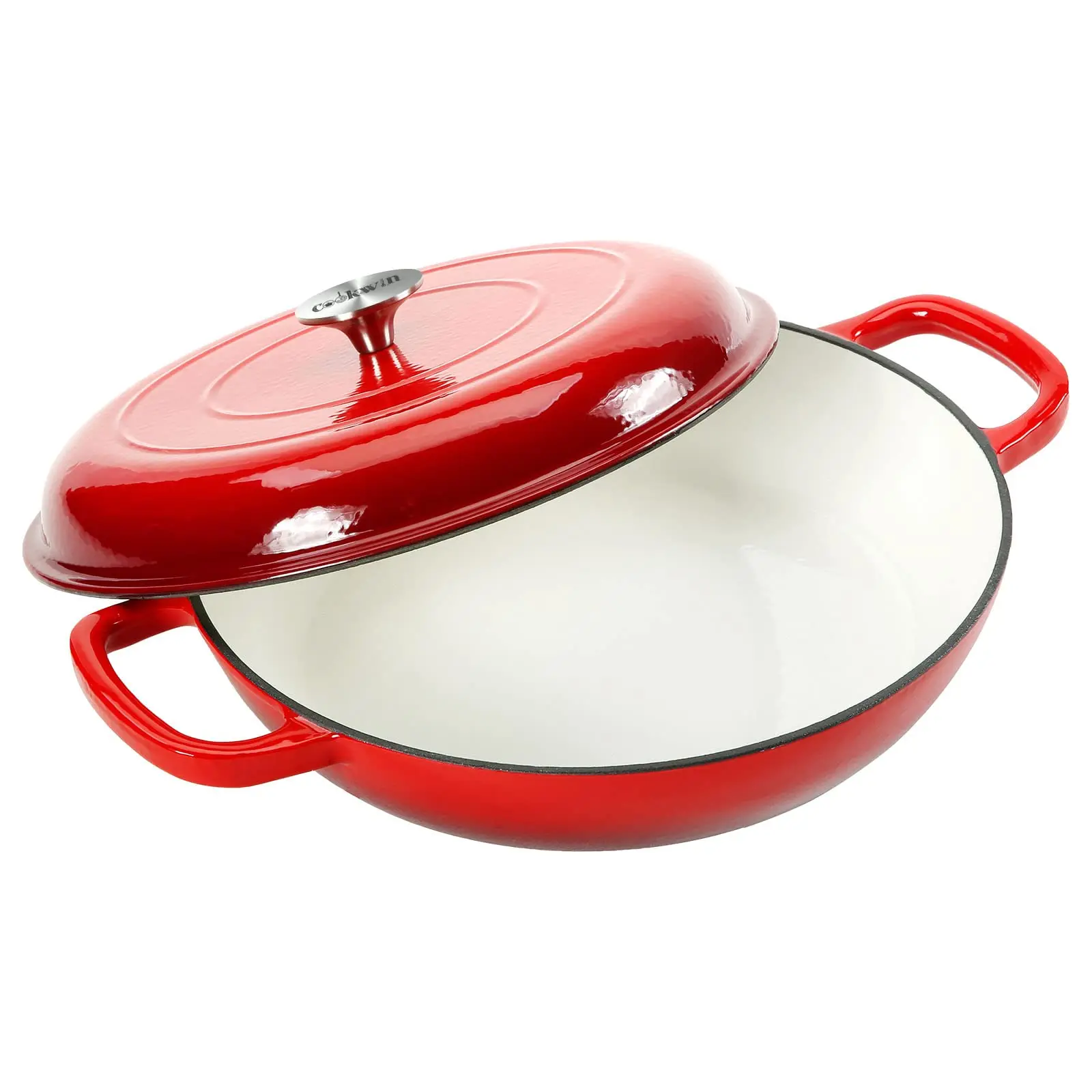
Quick answers to common questions
- Can I put a cold Dutch oven in a hot oven? Better to let it warm on the counter for 20 minutes first.
- Is it safe to use parchment at 500°F? Use parchment rated to 450–500°F and keep it inside the pot.
- Can I use it on the grill? Cast iron can handle it, but avoid direct flames on enamel for long periods.
People ask are dutch ovens oven safe on grills or under broilers. They can be, but hardware and enamel limits still apply.
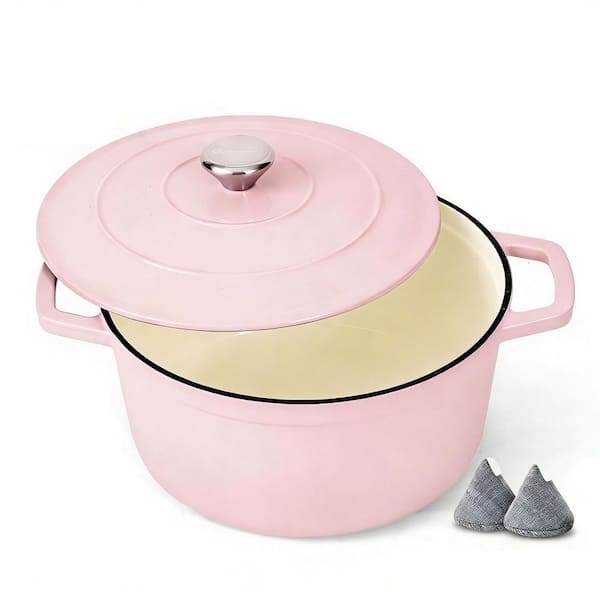
Maintenance and care after oven use
- Let it cool. Wait until it is warm before cleaning.
- Wash gently. Use warm water, mild soap, and a soft sponge.
- For stuck bits. Soak with warm water and baking soda for 15 minutes, then wipe.
- Dry well. Prevent rust on rims or lids by drying right away.
- For bare cast iron. Add a thin oil coat and heat to keep seasoning strong.
- Store with airflow. Place a paper towel between pot and lid.
Done right, you will not need to ask are dutch ovens oven safe again. You will know your limits and enjoy better food.
Frequently Asked Questions of are dutch ovens oven safe
Are Dutch ovens oven safe for bread baking at 475–500°F?
Yes, most enameled cast iron models rated to 500°F are fine for bread. Use a stainless knob and parchment, and warm the pot gradually.
Are dutch ovens oven safe if the knob is plastic?
Only to the knob’s rating, often 375–400°F. Swap to a stainless knob to go higher.
Can I use my Dutch oven under the broiler?
Yes if all parts are metal and rated for broiling. Keep it a few inches from the element and watch closely.
Are dutch ovens oven safe on convection settings?
Yes, if within the stated limit. Convection can cook faster, so monitor browning.
Will enamel crack in the oven?
Good enamel handles oven heat but hates shock. Avoid sudden temperature swings, like cold water on a hot pot.
Are dutch ovens oven safe on glass cooktops before going in the oven?
Yes, with care. Lift rather than slide to protect the glass, then move to the oven as usual.
Are dutch ovens oven safe for roasting chicken?
Yes. Roast at 375–425°F with the lid off for crisp skin, within your pot’s limits.
Conclusion
Dutch ovens shine in the oven when you match heat to the hardware. Know the material, the enamel, and the knob limit. Use gentle heat moves, avoid shock, and choose stainless hardware for high-heat jobs like bread. With these habits, you can stop asking are dutch ovens oven safe and start enjoying better bread, stews, and roasts.
Ready to level up? Put your pot to work this week, try one safe tip from this guide, and share your results or questions in the comments.