Use a heavy Dutch oven with the lid on at 275–300°F to mimic slow-cooker results.
If you want hands-off, fall-apart meals without a countertop gadget, you’re in the right place. I’ve spent years braising, batching, and testing oven temps to nail how to use a dutch oven as a slow cooker. In this guide, I’ll show you simple steps, exact conversions, and cook-pro tips, so you can master how to use a dutch oven as a slow cooker any day of the week.
Why a Dutch Oven Works as a Slow Cooker
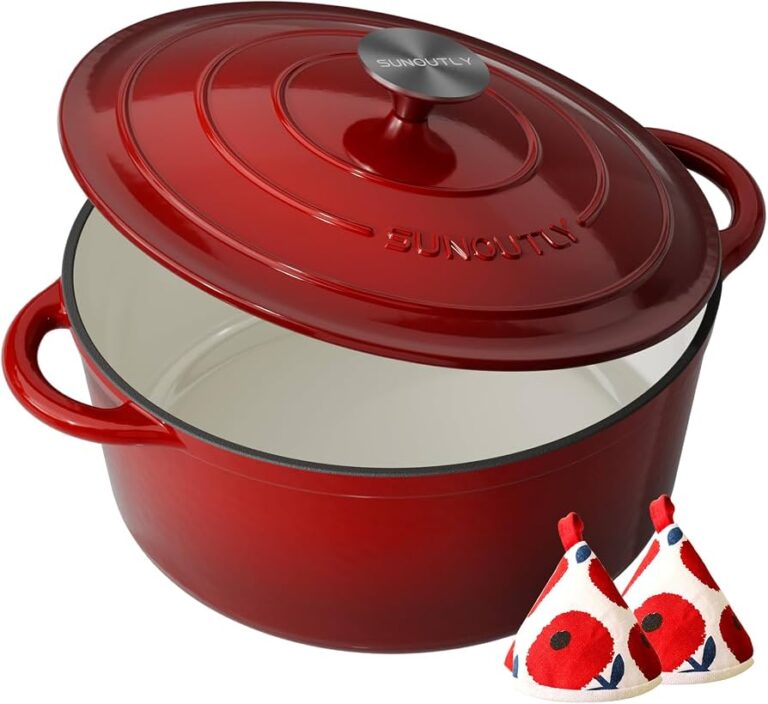
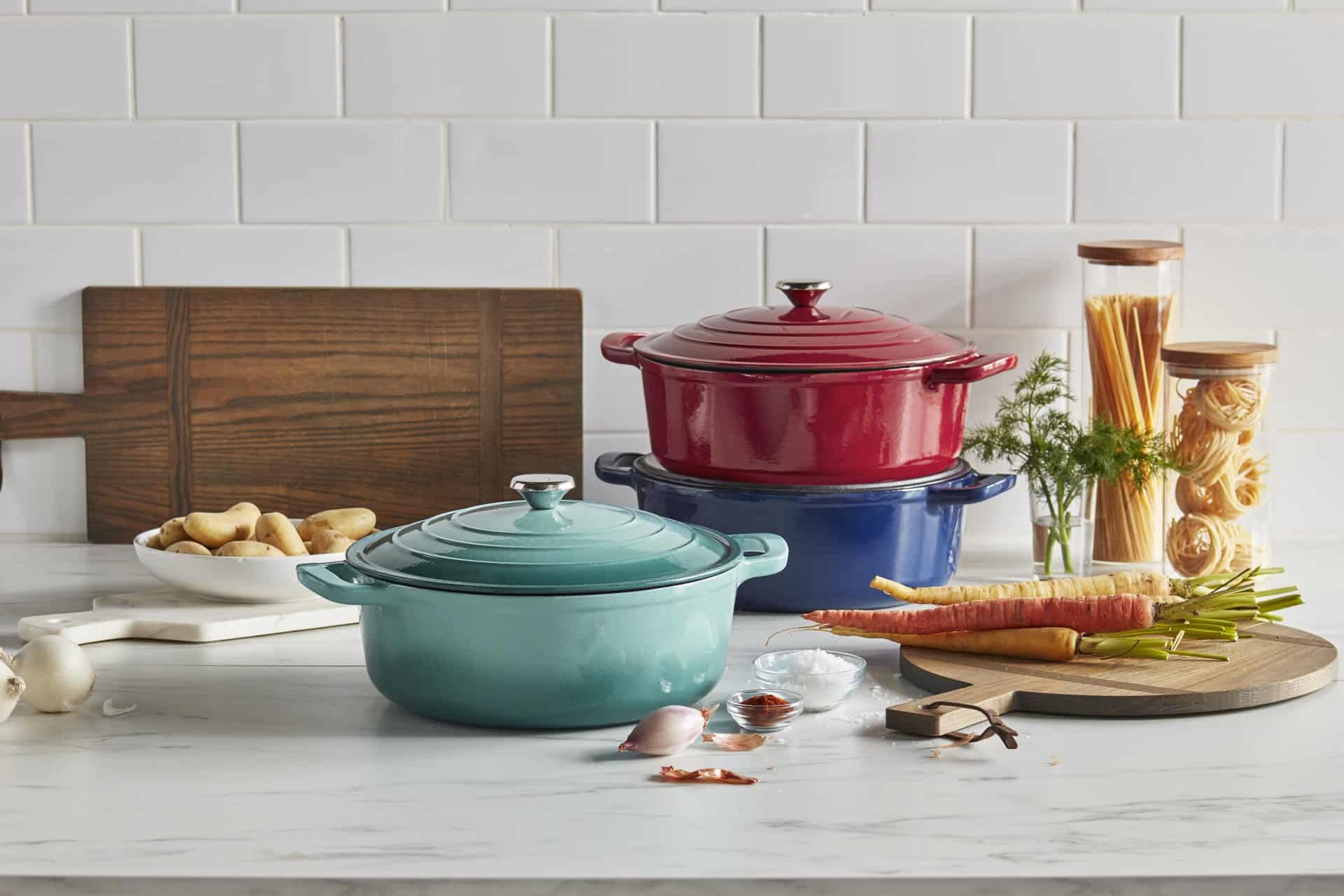
A Dutch oven is heavy, thick, and holds heat well. The tight lid traps steam. That means stable, gentle heat and steady moisture, just like a slow cooker.
Cast iron gives you even browning and low, even simmer. The lid self-bastes as drops fall back into the pot. That is why braises turn rich and tender.
If you ask how to use a dutch oven as a slow cooker, think about heat and moisture control. Match low heat. Keep the lid on. Let time do the work.
Gear and Heat Settings You’ll Need
You do not need much to get slow-cooker results. Here is the core gear and the heat map that I use.
Essentials
- Enameled or bare cast-iron Dutch oven, 5–7 quarts
- Oven or a steady low burner with a heat diffuser
- Instant-read thermometer
- Parchment round or foil for better seal (optional)
Heat equivalents (approximate)
- Slow Cooker Warm: 160–180°F liquid temperature
- Slow Cooker Low: 185–200°F liquid temperature
- Slow Cooker High: 200–210°F liquid temperature
- Oven set points that mimic Low: 275–300°F
- Oven set points that mimic High: 300–325°F
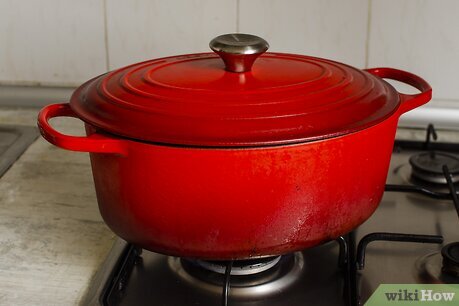
On the stove, the right simmer is gentle. You want a few small bubbles, not a boil. For how to use a dutch oven as a slow cooker on the stovetop, use the lowest flame and a diffuser for safety and even heat.

Step-by-Step: How to Use a Dutch Oven as a Slow Cooker
This method works for stews, roasts, beans, and more. I use it for pot roast, carnitas, and chicken thighs.
-
Prep and season
Pat meat dry. Salt early. Chop aromatics. Measure liquids. -
Brown for flavor
Heat the Dutch oven over medium. Add oil. Sear meat on all sides. Remove and set aside. -
Build the base
Sauté onions, carrots, celery, or chilies. Scrape browned bits with a splash of wine, broth, or water. -
Load and layer
Add meat back. Tuck in root veg and herbs. Keep veg on the sides and top so they do not scorch. -
Add liquid
Pour in enough broth to come 1/3 to 1/2 up the meat. For stove-top use, a bit more. For oven use, a bit less. -
Seal and cook
Lid on. For oven, bake at 275–300°F. For stovetop, set to the lowest simmer. That is the heart of how to use a dutch oven as a slow cooker. -
Hands-off time
Resist the urge to peek. Each lid lift loses steam and heat. Check once halfway through for liquid level. -
Finish and adjust
When tender, remove lid. Skim fat. Reduce juices if you want. Taste and adjust salt and acid. -
Rest and serve
Let meat rest 10 minutes. The sauce will set and flavors bloom.
For how to use a dutch oven as a slow cooker on weeknights, I often prep at night, chill, then cook next day. This builds deeper flavor.

Managing Liquid, Evaporation, and Steam
Slow cookers lose little water. Ovens lose more. Plan for that when you convert recipes.
Simple rules
- Oven method: add 1/2 to 1 cup extra liquid for all-day cooks.
- Stovetop: use a parchment round or foil under the lid to cut loss.
- Keep the lid closed. Check only once or twice.
- If the sauce gets thin, reduce it uncovered at the end.
If you wonder how to use a dutch oven as a slow cooker without drying food, think seal first. A tight lid and low heat solve most issues.
:max_bytes(150000):strip_icc()/sea-dutch-ovens-le-creuset-2-grace-kelly-cb9603b642ae4d9098e6f0857861a552.jpg)
Time and Temperature Conversions (With Examples)
Times are guides. Size, meat cut, and starting temp all matter. Start with these ranges, then adjust to your gear.
General conversions
- Slow Cooker Low 8 hours ≈ Dutch oven 3.5–5 hours at 275–300°F
- Slow Cooker High 4 hours ≈ Dutch oven 2–3 hours at 300–325°F
- If your oven runs hot, use the lower end of the range
Examples I use often
- Pot roast, 3–4 lb: 4–5 hours at 285°F (fork tender)
- Pork shoulder, 4–5 lb: 4.5–6 hours at 300°F (shreds clean)
- Chicken thighs, bone-in: 1.5–2.5 hours at 300°F (juicy at 175°F+)
- Chili with beans: 2.5–3.5 hours at 300°F, lid cracked last 20 minutes
- Dried beans (pre-soaked): 2–3 hours at a bare simmer until creamy
For how to use a dutch oven as a slow cooker safely, verify temps. Poultry should reach 165°F. Pork and beef roasts are tender when collagen melts and a probe slides in with no pushback.
Pro Tips, Mistakes to Avoid, and Real-World Lessons
Here are lessons from my own kitchen. They will save you time and stress.
What worked best for me
- Start lower, finish higher. I often cook at 275°F, then bump to 300°F near the end.
- Salt lightly up front. Reduce sauces later and finish with salt and acid.
- Use big cuts. They hold juice better over long cooks.
Mistakes to avoid
- Boiling the pot. This tightens meat and makes sauce thin. Keep a gentle simmer.
- Too little liquid on the stove. Add 1/2 cup if you see the sides drying.
- Crowding the pot. Air gaps help heat move around the food.
Small upgrades that matter
- Add a parchment round under the lid for long braises.
- Use a heat diffuser for gas stoves to prevent hot spots.
- Rest cooked beans in their liquid 15 minutes. The skins relax and turn creamy.
When people ask how to use a dutch oven as a slow cooker for meal prep, I say batch and freeze. Sauces and stews taste even better on day two.

Cleaning, Care, and Safety Notes
Care keeps your pot nonstick and safe.
Cleaning
- Let the pot cool. Then wash with warm water and a soft brush.
- Avoid metal scouring on enamel. For stuck bits, soak, then simmer water with a spoon of baking soda.
- Dry well. For bare cast iron, rub a tiny film of oil to prevent rust.
Safety and food facts
- Most knobs are safe to 400–500°F. Check yours before baking.
- Do not shock hot enamel with cold water. It can crack.
- Food safety guides say poultry needs 165°F. Whole cuts of pork or beef are safe at 145°F with a short rest.
- For red kidney beans, boil hard for 10 minutes before the slow phase. This removes natural lectins.
If you want to master how to use a dutch oven as a slow cooker for beans and chili, pre-boil beans, then drop to a gentle simmer. You get safe, tender results.
Frequently Asked Questions of how to use a dutch oven as a slow cooker
Can I leave a Dutch oven in the oven all day?
Yes, if your oven is stable and the pot is safe. Keep the temp at 275–300°F and ensure enough liquid.
Do I need to stir during a long cook?
Not often. One check midway is fine to confirm liquid level and prevent sticking.
What size Dutch oven is best for slow-cooker recipes?
A 5.5–7 quart pot covers most family meals. It gives room for air flow and avoids crowding.
Can I cook dairy or acidic sauces for hours?
Yes, but keep heat low and add dairy near the end. Acidic foods are fine in enamel; avoid long storage in bare iron.
How do I convert a slow-cooker recipe to the oven?
Use 275–300°F and cut the time to about half to two-thirds. Check for tenderness rather than the clock.
Conclusion
You can get slow-cooker ease with gear you already own. Match low heat, keep the lid tight, and let time turn tough cuts tender. That is the core of how to use a dutch oven as a slow cooker, and it works, every time.
Start with one dish this week. Try pot roast or pork shoulder at 285–300°F, lid on, hands off. Then share your results, ask a question, or subscribe for more practical kitchen guides.