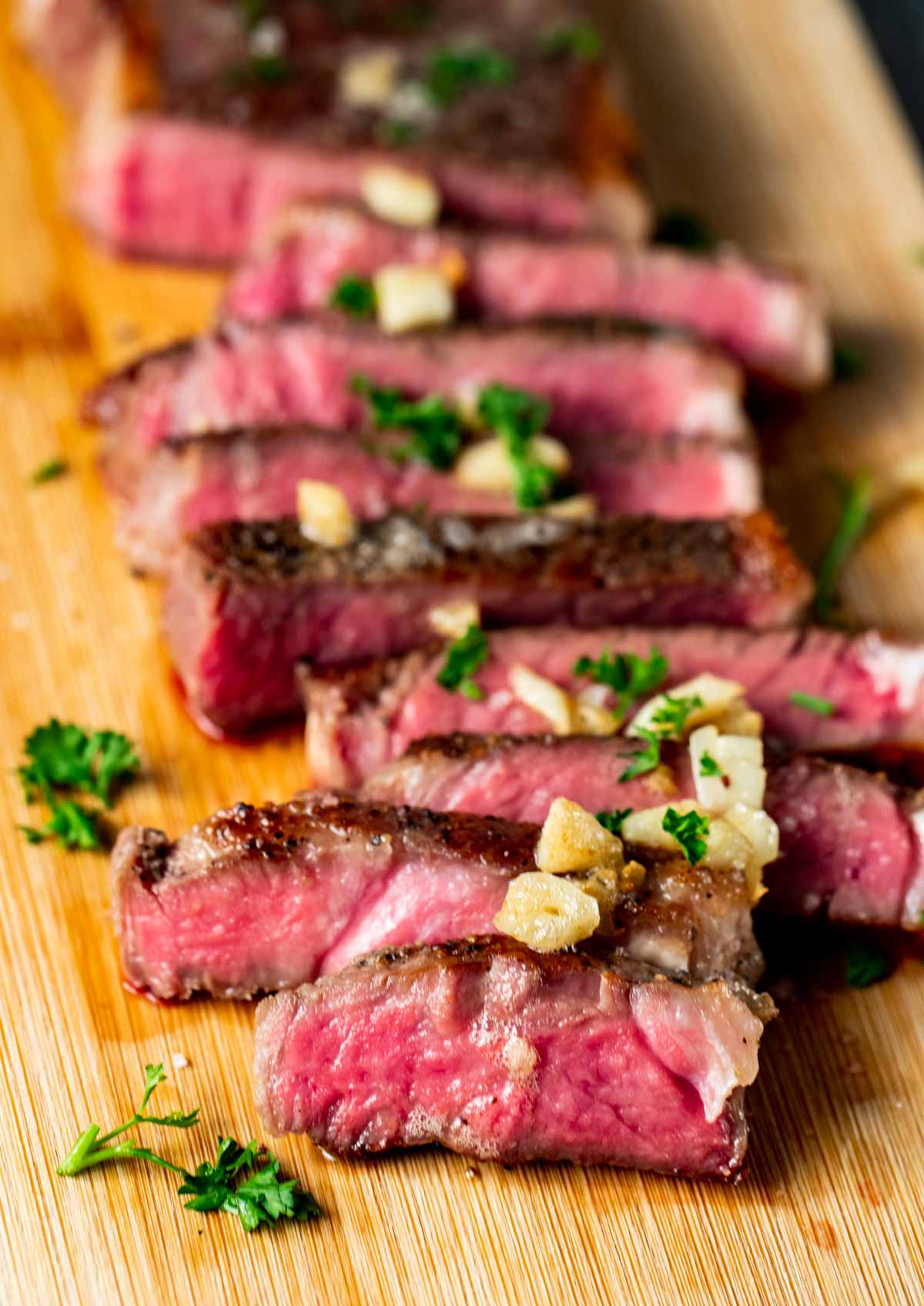
Add 60–90 minutes to standard sous vide times based on steak thickness.
If you want a steak that’s juicy edge to edge, sous vide from frozen is a game changer. I’ve cooked hundreds this way for busy weeknights and client dinners. This guide shows exactly how long to sous vide frozen steak, why it works, and how to get that deep, crusty sear. You’ll get clear times, temps, and pro tips that you can trust.
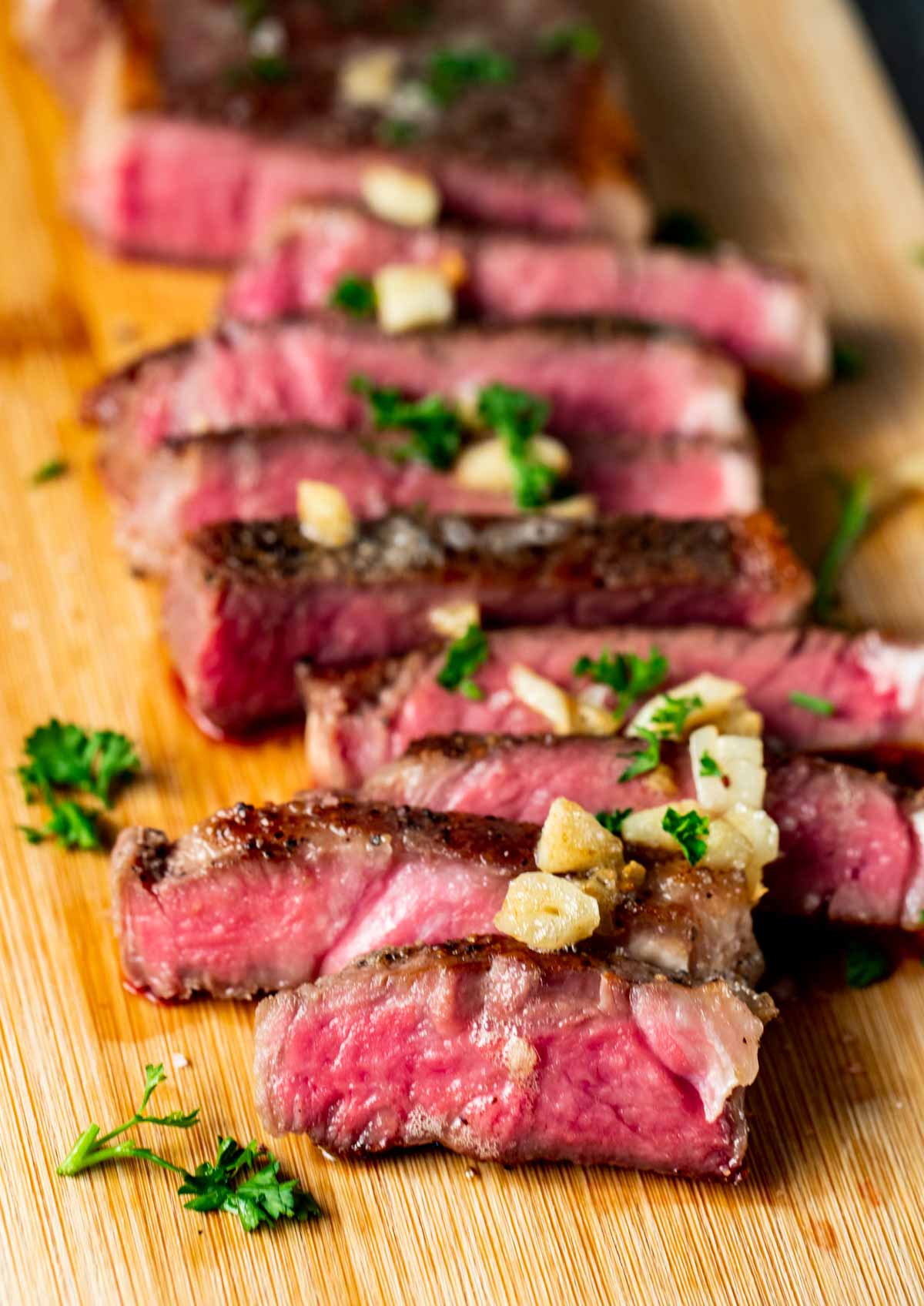
How Long to Sous Vide Frozen Steak
The simple rule: add 60–90 minutes to your usual sous vide time. That covers the thaw phase and brings the core to your target temp without stress. If you came here wondering how long to sous vide frozen steak, here is the breakdown I use at home and in the test kitchen.
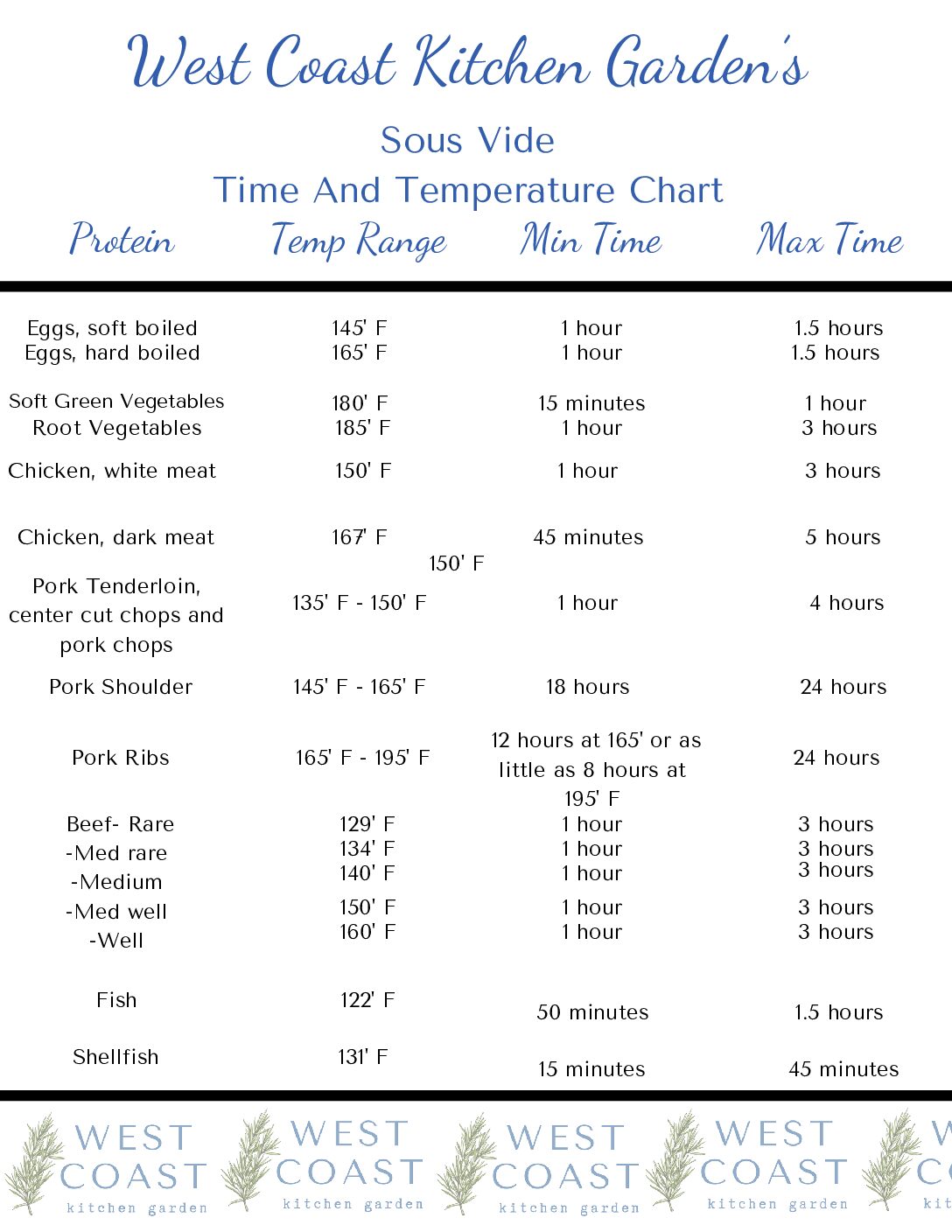
Recommended temperatures by doneness:
- Rare: 120–125°F (49–52°C)
- Medium-rare: 129–134°F (54–57°C)
- Medium: 135–144°F (57–62°C)
- Medium-well: 145–155°F (63–68°C)
- Well-done: 156°F+ (69°C+)
Baseline times for fresh steaks, then add time for frozen:
- 1 inch thick: 1 to 2.5 hours fresh; add 60 minutes from frozen
- 1.5 inches: 2 to 3.5 hours fresh; add 60–75 minutes from frozen
- 2 inches: 3 to 4 hours fresh; add 90 minutes from frozen
Example: A 1.25-inch ribeye at 129°F. Fresh takes about 1.5 to 2.5 hours. From frozen, plan 2.5 to 3.5 hours. That is how long to sous vide frozen steak for most weeknight cuts.
You can hold most steaks an extra hour without harm. Past 4–5 hours at low temps, texture can soften too much. If you want classic steak bite, avoid long holds at 129–132°F.
Why Cooking Steak from Frozen Works with Sous Vide
Sous vide heats food gently and evenly. Water transfers heat better than air. A circulating bath keeps a stable temp. That is why cooking from frozen is reliable and safe when done right.
Key points I teach cooks:
- Even heating. The bath thaws the steak, then brings it to the exact temp, edge to edge.
- Predictable timing. The added 60–90 minutes covers the thaw phase for most thicknesses.
- Food safety. Whole muscle steaks are low risk inside. You will sear the outside, which is where surface bacteria live. Keep the bath at or above 129°F to limit growth in the bag.
Food safety guidance notes that low-oxygen bags need proper temps. Keep your bath above 129°F for long cooks. If you plan to serve below 129°F, sear well and serve right away. If you will chill and store, pasteurize at 130°F+ with the right hold times or cook to 135°F.
Step-by-Step: From Freezer to Perfect Sear
Follow this flow every time. It makes how long to sous vide frozen steak easy and repeatable.
- Choose the cut
- Ribeye, strip, tenderloin, and sirloin work best. Thicker cuts hold juiciness.
- Set the bath
- Pick your temp based on doneness. I use 129–131°F for medium-rare.
- Bag it right
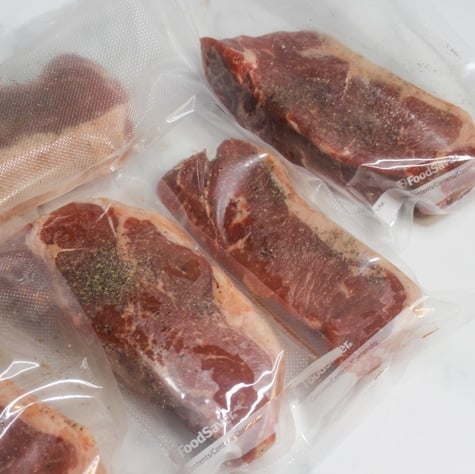
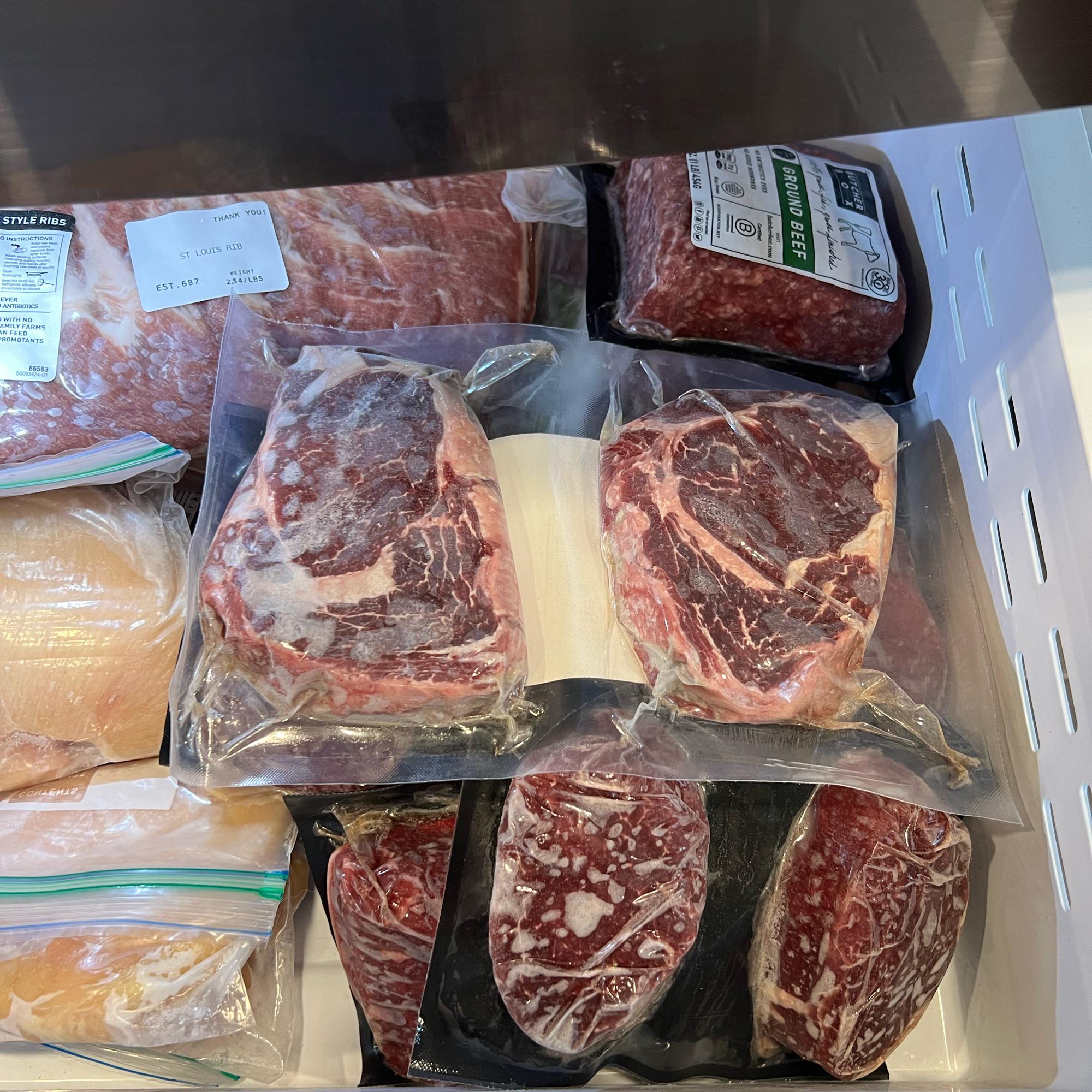
- If the steak is already vacuum-sealed for freezing, check the bag for damage. If not sealed, place the frozen steak in a food-safe vacuum bag or a heavy-duty zipper bag.
- Add salt, pepper, and a light oil. Add aromatics if you like (garlic, thyme).
- Remove air
- Vacuum seal. Or use the water displacement method in a zipper bag.
- Cook time
- Use the fresh baseline time for the thickness, then add 60–90 minutes. That is how long to sous vide frozen steak with confidence.
- Dry the surface
- Remove the steak from the bag. Pat very dry with paper towels. This step makes the crust.
- Sear hard and fast
- Use a ripping hot cast iron pan, grill, or a good torch. 45–60 seconds per side. Flip often for even browning. Add butter at the end if you like.
- Rest briefly
- One to two minutes is enough. Slice and serve.
Personal tip: I keep a small rack on a sheet pan. I set the steak on the rack while the pan heats. Airflow helps the surface dry even more. This gives a superior crust.
Thickness, Doneness, and Cut Guide
Thickness sets the clock. Doneness sets the temp. Cut sets expectations.
Cuts I reach for:
- Ribeye: Fatty, forgiving. Great at 129–131°F.
- Strip/New York: Meaty and clean. 129–133°F shines.
- Tenderloin/Filet: Lean and mild. 129–131°F keeps it tender.
- Sirloin: Beefy, a bit lean. 130–134°F works well.
- Skirt/Flank: Better at 132–135°F, then slice thin across the grain.
How long to sous vide frozen steak by thickness:
- Thin (0.75–1 inch): Fresh 1–1.5 hours; add 60 minutes from frozen. Watch texture past 3 hours total.
- Standard (1–1.5 inches): Fresh 1.5–3 hours; add 60–75 minutes from frozen.
- Thick (2 inches): Fresh 3–4 hours; add about 90 minutes from frozen. Sear a touch longer to build crust.
If you love a firmer steak, aim for 131–135°F rather than 129°F. If you prefer buttery soft, use 129–131°F but keep total time under 4 hours.
Food Safety, Bagging, and Storage
Safety matters when you cook low and slow in a sealed bag. Here is what I do and teach.
Bagging and sealing:
- Use food-grade vacuum bags or heavy-duty freezer zipper bags.
- Do not cook in store packaging. It is not made for long hot water exposure.
- Season before freezing when possible. Salt helps early. Hold back fresh garlic if cooking below 131°F, as its flavor can turn sharp in low-heat, low-oxygen settings.
Bath control:
- Keep the circulator at or above 129°F for long cooks.
- Make sure the steak is fully submerged. Use clips or weights to stop floating.
Chilling and storage:
- Not serving right away? Chill in an ice bath for 30 minutes, then refrigerate up to 3–4 days.
- Reheat later at your target temp for 30–60 minutes, then sear.
- If you asked how long to sous vide frozen steak for make-ahead meals, use the same add-60–90-minute rule, then chill fast.
Note on doneness and safety:
- USDA guidance for traditional cooking is 145°F with a rest.
- With sous vide, time at temp matters. Holding at 130–135°F long enough reduces risk. Choose your approach based on comfort level and who you serve.

Troubleshooting and Common Mistakes
I have made every mistake so you do not have to.
Problems and fixes:
- Gray ring after sear: Pan was too cool or steak was wet. Dry better. Heat the pan more.
- Mushy texture: Held too long at low temp. Shorten total time next round.
- Weak crust: Not enough surface drying. Use a rack and airflow before sear. Use a high-smoke oil.
- Floating bag: Trapped air. Reseat the seal, or use a clip and a weight.
- Too salty: Pre-salted then brined in the bag for too long. Reduce salt if cooking more than 4 hours total.
If timing feels off, revisit thickness. When people ask how long to sous vide frozen steak, they often guess thickness wrong. Measure with a ruler. It helps a lot.

Flavor Boosts and Searing Tips
Great searing is fast, loud, and hot. Make the crust. Keep the inside perfect.
Seasoning:
- Simple salt and pepper always win.
- Add thyme, rosemary, or a smashed garlic clove to the bag for aroma.
- Finish with a knob of butter, a splash of soy, or a little miso butter.
Searing:
- Use a dry, heavy pan. Cast iron is king.
- Add a thin film of avocado oil or clarified butter.
- Sear 45–60 seconds per side. Sear the edges too.
- Torch finishing works well, but do not rely on a weak torch. It can leave off flavors.
Grill option:
- Preheat the grill very hot. Wipe the steak with oil. Sear over direct heat with the lid open. Flip often to avoid overcooking the edge.
These steps do not change how long to sous vide frozen steak, but they decide how good it tastes.

Gear That Makes It Easier
You can do this with basic tools. A few upgrades make it foolproof.
Helpful gear:
- Reliable immersion circulator with stable temp control
- 12–18 quart container with a lid or wrap to limit heat loss
- Vacuum sealer or heavy-duty zipper bags
- Bag clips and a small weight to keep the steak submerged
- Cast iron skillet, grill, or a high-output torch for searing
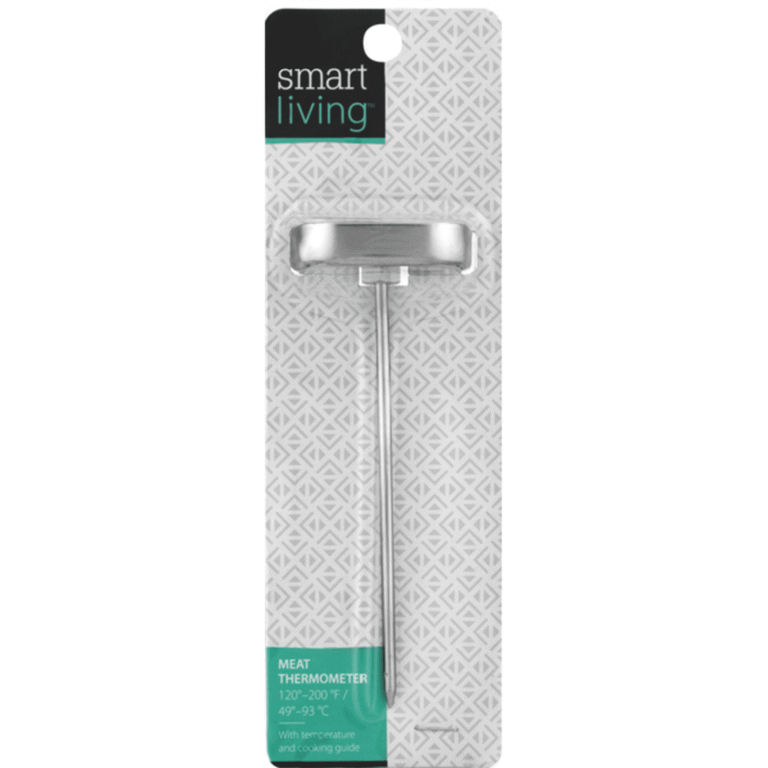
- Instant-read thermometer for spot checks if you are learning
How long to sous vide frozen steak does not depend on fancy gear. It depends on temperature control, thickness, and patience.

Frequently Asked Questions of how long to sous vide frozen steak
How long to sous vide frozen steak at 129°F?
Plan the fresh time for the thickness, then add 60–90 minutes. For a 1–1.5 inch steak, that is usually 2.5–4 hours total.
Can I sous vide steak straight from store packaging?
Do not. Retail packs are not built for hot water. Re-bag in a food-safe vacuum or freezer zipper bag first.
Will seasoning stick to a frozen steak?
Yes, if you bag with oil and press spices on both sides. You can also pre-season before freezing for deeper flavor.
Is it safe to cook below 130°F?
Below 130°F, you lose pasteurizing power. If you cook rare, sear well and serve right away. For added safety, use 130–135°F and hold long enough.
What if I miss the time window by an hour?
An extra hour at 129–135°F is fine for most cuts. Past 4–5 hours total, texture can soften more than some people like.
Do I need to rest the steak after sous vide?
A short rest of 1–2 minutes helps juices settle. Longer is not needed since the steak is already evenly cooked.
Can I batch-cook and chill for later?
Yes. Chill fast in ice water, then refrigerate up to 3–4 days. Reheat at target temp 30–60 minutes, then sear.
Conclusion
Now you know exactly how long to sous vide frozen steak: set your temp for doneness, then add 60–90 minutes based on thickness. Keep the surface dry, sear hot, and avoid long holds at low temps. That is the path to a tender middle and a bold, crunchy crust.
Try it this week with a 1.25-inch ribeye at 129°F, total 3 hours from frozen, and taste the difference. If this guide helped, subscribe for more step-by-step cooks, or drop a question in the comments so I can help with your next steak.