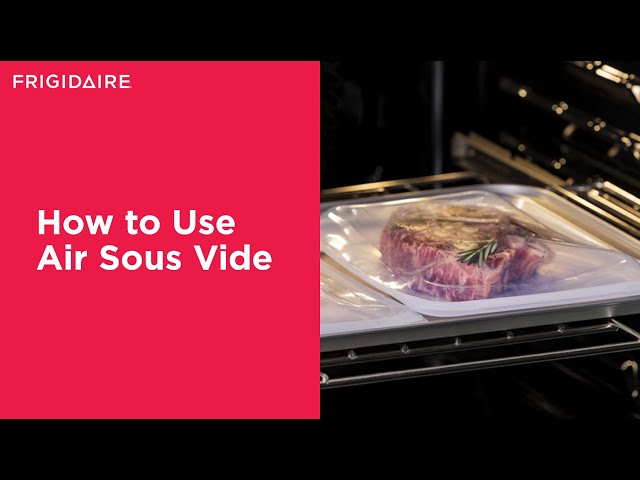
Set air sous vide mode, cook at exact temp, then sear for crust.
You want tender steak, juicy chicken, and silky salmon every time. I’ll show you how to use air sous vide oven with clear steps, pro tips, and real wins. I test gear for a living. I’ve cooked hundreds of low-temp meals. This guide makes the method simple, safe, and fun so you can master it tonight.
What Is an Air Sous Vide Oven?
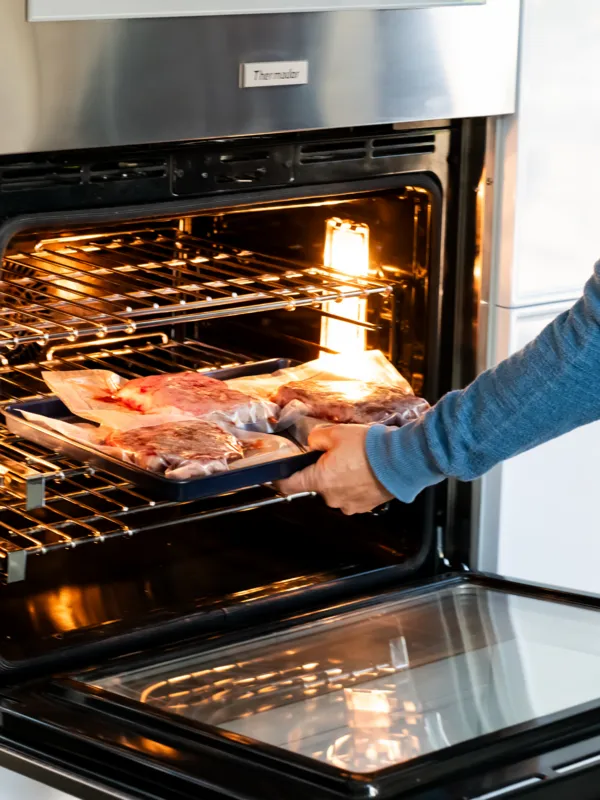
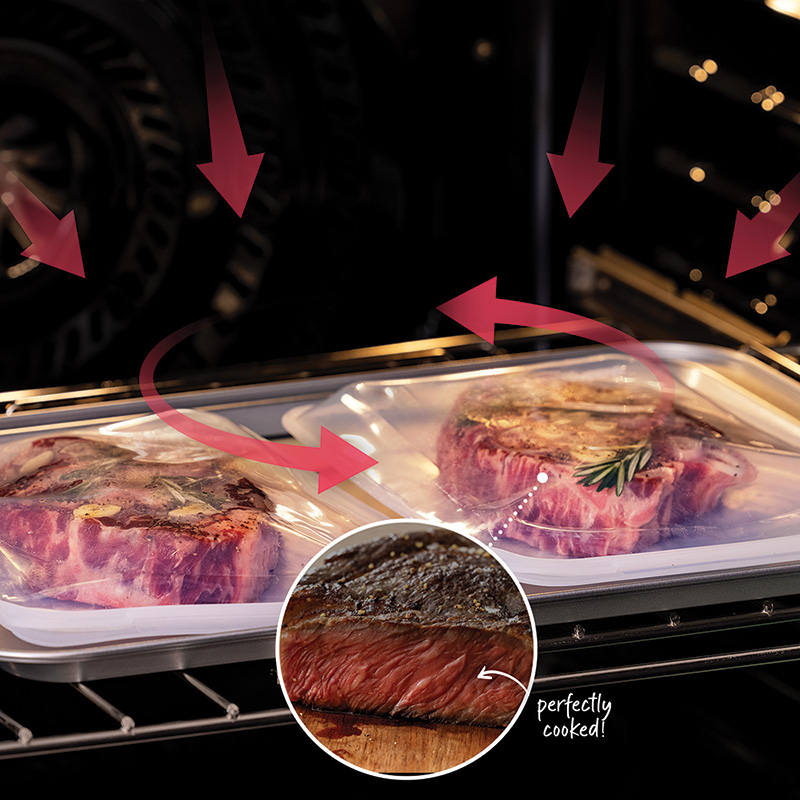
An air sous vide oven holds a steady low heat. It uses a gentle fan to move warm air. Food cooks slow and even, edge to edge. Think sous vide results without a water bath.
Some models ask you to bag food. Some use racks and light steam or a water pan. Both can work well. If you wonder how to use air sous vide oven, know that control and even heat are the keys.
Why Use One: Benefits and Limits
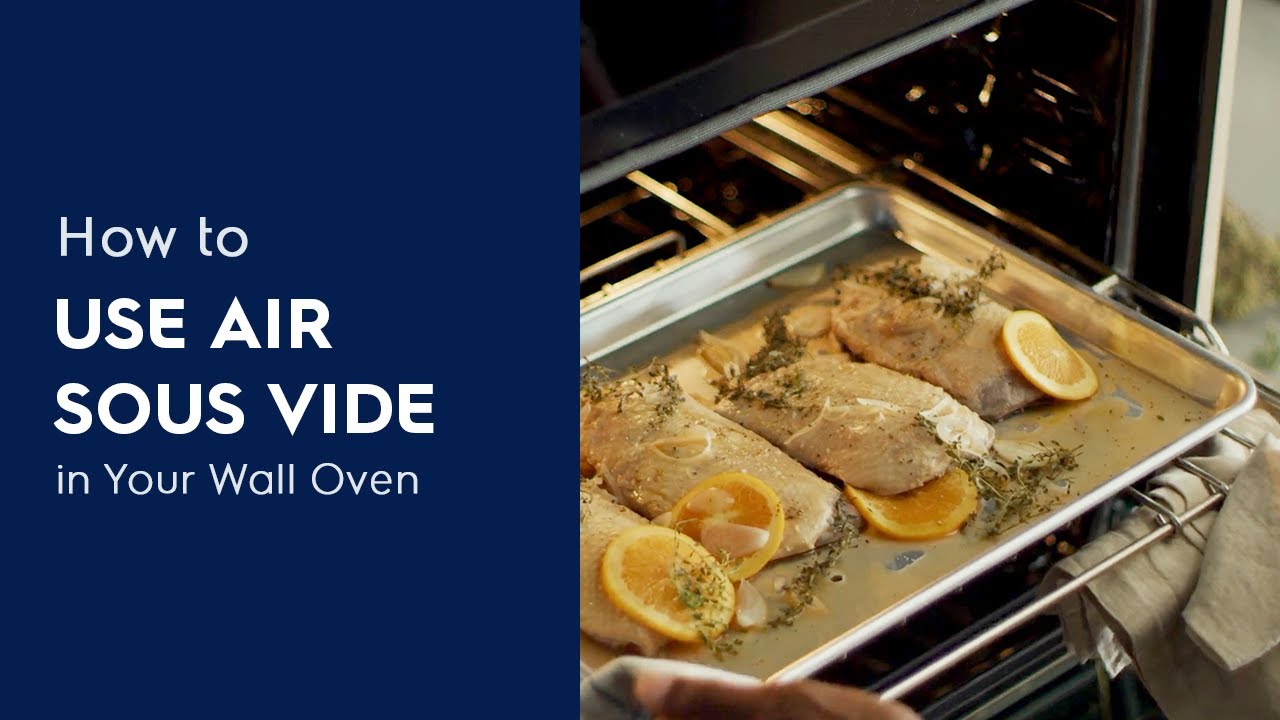
You get precise doneness. Meat stays juicy. Fish stays tender. Veg stays bright. The texture is very consistent.
There are limits. Air moves heat slower than water. Times can run longer. Unbagged food can dry out. A quick sear at the end solves the lack of browning.
Knowing how to use air sous vide oven saves time and stress. You can set it and relax. It is great for dinner plans and meal prep.
Gear Check and Setup
You do not need much. A rack, a pan, and your oven are enough. A probe helps a lot. Bags help keep moisture in.
Use these items:
- Oven with air sous vide or low-temp mode It should hold 120–205°F with a steady fan.
- Rack and pan Elevate food so air flows.
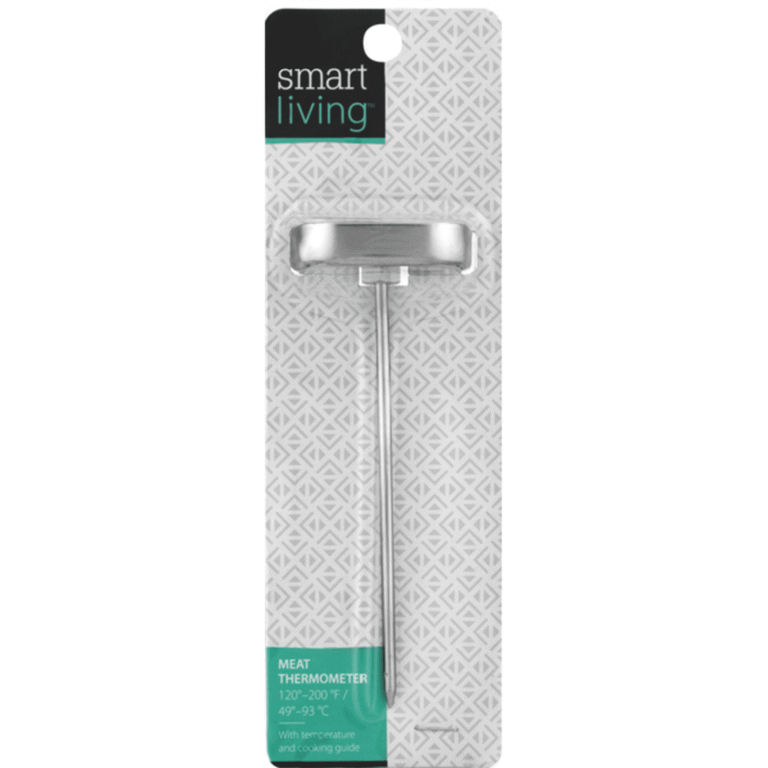
- Probe or instant-read thermometer It confirms doneness.
- Vacuum or zip-top freezer bags Use if your oven’s guide says to bag.
- Oil with high smoke point Avocado or canola works for searing.
Here is how to use air sous vide oven for setup:
- Place the rack in the center.
- Add a pan of hot water on a lower rack if your oven dries food.
- Preheat to your target temp before the food goes in.

Source: youtube.com
Step-by-Step: How to Use Air Sous Vide Oven
Here is the simple path I use at home and in tests. If you are new, start here. When you learn how to use air sous vide oven with this flow, your results will shine.
- Pick your target temp
- Choose based on doneness. For medium-rare steak, pick 129–133°F. For juicy chicken breast, pick 145–150°F.
- Prep the food
- Trim and season. Light oil stops sticking. If your oven calls for it, seal in a bag with herbs or butter.
- Set the oven
- Select air sous vide or the lowest stable mode. Set the temp. Preheat. Low fan is best.
- Place the food
- On a rack for dry air. Or in a bag on a tray if your oven guides say so. Keep space around each piece.
- Cook to time and temp
- Use a probe if you have one. Hit the core temp. Hold it to pasteurize as needed.
- Rest
- Give meat 5–10 minutes. Juices settle. Texture stays tender.
- Sear to finish
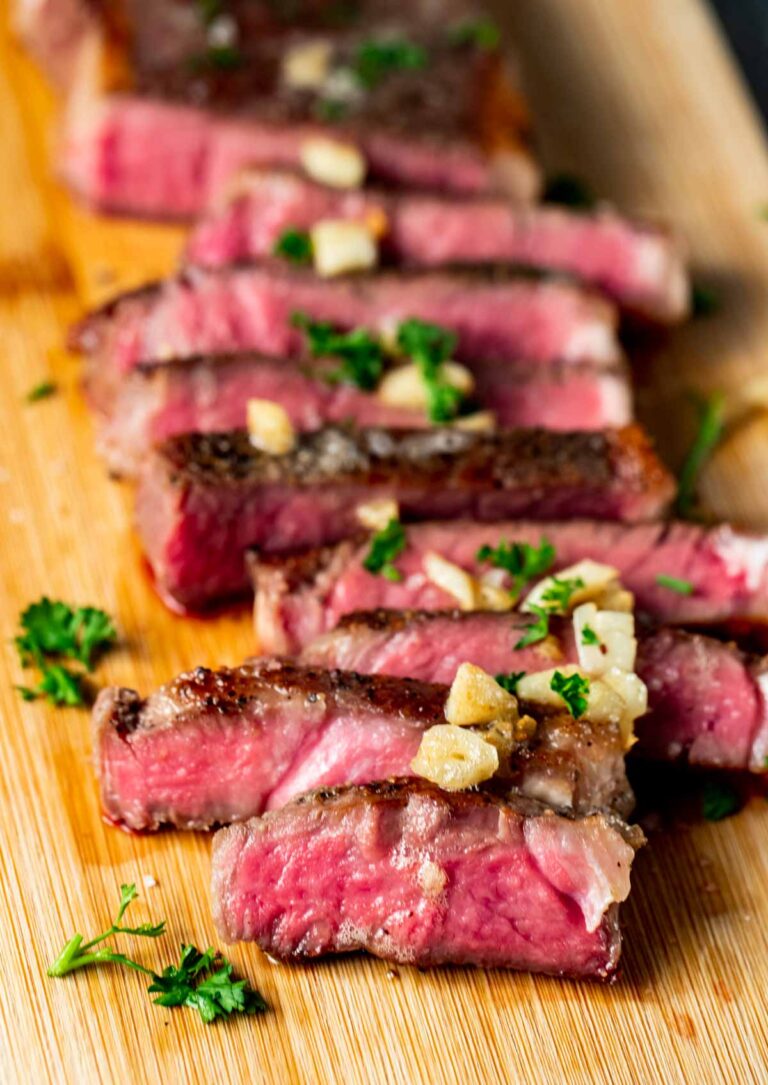
- Heat a skillet until ripping hot. Sear each side 30–60 seconds. Or broil fast. Add butter and herbs if you like.
- Serve
- Slice across the grain. Finish with flaky salt or lemon.
This is the clean way to learn how to use air sous vide oven with no guesswork.

Temperature and Time Guide
Times vary with thickness and your oven model. Air cooks slower than water. Start with these ranges and adjust after your first run.
-
Steak, 1–1.5 inches
Temp: 129–133°F for medium-rare. Time: 1.5–3 hours. -
Pork chops, 1 inch
Temp: 140–145°F. Time: 1.5–3 hours. -
Chicken breast, boneless
Temp: 145–150°F. Time: 1.5–3 hours. -
Salmon fillet, 1 inch
Temp: 120–125°F. Time: 45–90 minutes. -
Lamb chops, 1 inch
Temp: 129–135°F. Time: 1.5–3 hours. -
Eggs, soft “onsen” style
Temp: 145–149°F. Time: 45–60 minutes.
When learning how to use air sous vide oven, start on the low end. Then taste and log results for next time.

Food Safety, Doneness, and Pasteurization
Safety comes first. Keep raw foods cold before you cook. Do not leave food in the danger zone for long.
You can pasteurize with time at temp. For chicken, 145°F held for about 9–10 minutes at the core makes it safe. For pork, 140°F held for about 12 minutes works. Thicker cuts need more time to heat through. A probe helps confirm the center temp.
A key part of how to use air sous vide oven is patience. Thin cuts heat fast. Thick roasts need hours. Plan your window.
Finishing and Searing Without Overcooking
Low heat gives you perfect doneness. Then you add that craveable crust. Keep the sear fast and hot so the center stays right.
Use one of these:
- Smoking-hot cast iron Thin oil, 30–60 seconds per side.
- Broiler Top rack, 2–3 minutes, flip once.
- Torch Quick passes for color. Do not linger.
Another part of how to use air sous vide oven is dry the surface before searing. Pat with towels. Wet meat will not brown well.
Common Mistakes and Troubleshooting
Dry surface cracks or tough edges
- Add a water pan for humidity. Or bag the food.
Mushy texture
- Temp too low for too long. Raise heat a bit. Shorten time.
Gray ring or uneven cook
- Fan too strong or rack too high. Drop to the center rack. Use low fan.
No browning after sear
- Meat was wet. Pan was not hot. Dry and preheat longer.
Most failures in how to use air sous vide oven come from rushed searing. Keep it short and hot.
Cleaning and Care
Clean after each run. Wipe the door and walls once cool. Wash racks and trays with warm soapy water.
If you used bags, toss them or clean reusable ones well. Check the fan vents and keep them clear. The last step in how to use air sous vide oven is care. A clean oven holds temp better.
Three Starter Recipes You Can Trust
Garlic-butter steak
- Temp: 129°F. Time: 2 hours. Bag steak with butter, garlic, and thyme. Rest, then sear in a hot pan. Spoon butter over.
Lemon-dill salmon
- Temp: 122°F. Time: 60 minutes. Bag with lemon slices and dill. Finish with a 30-second torch or a brief broil.
Herbed chicken breast
- Temp: 147°F. Time: 2 hours. Bag with olive oil, salt, pepper, and herbs. Sear skin side down fast if skin-on.
Frequently Asked Questions of how to use air sous vide oven
Do I need to vacuum-seal food for air sous vide?
Many ovens work best with bags to lock in moisture. If your manual allows it, you can also cook on a rack with a water pan for humidity.
Can I cook frozen food in air sous vide mode?
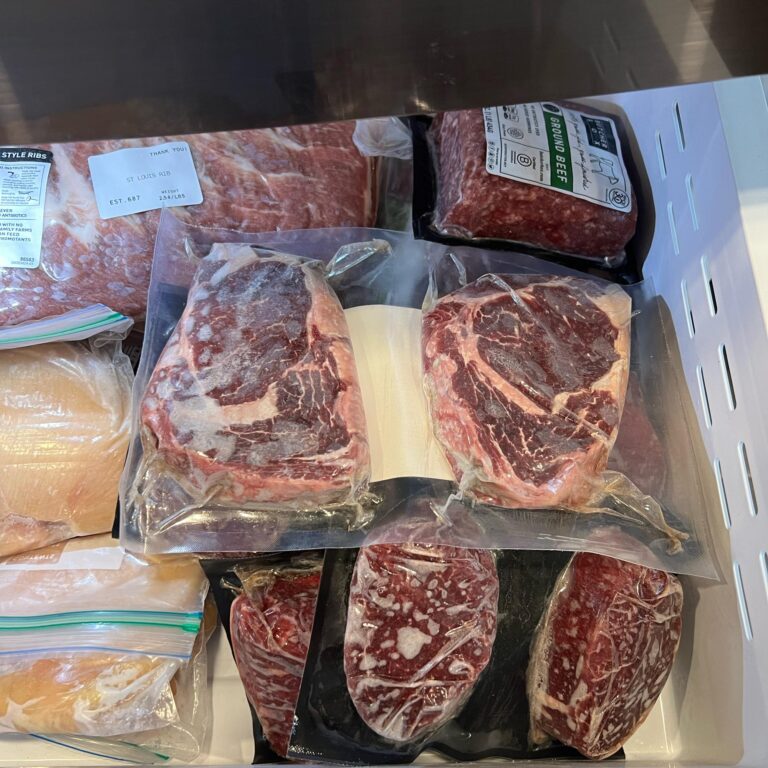
Yes. Add about 30–60 minutes to the time. Season and bag before freezing for best flavor and texture.
How is air sous vide different from water sous vide?
Air moves heat slower than water, so cook times can be longer. Results are similar when you manage moisture and finish with a quick sear.
Should I use a probe or an instant-read thermometer?
Use a probe if your oven supports it for live tracking. An instant-read is great for spot checks near the end.
What searing method works best after air sous vide?
A ripping hot cast iron pan is most reliable. Broilers and torches also work if you keep the finish short.
Does air sous vide work for vegetables?
Yes. It keeps veg crisp-tender and bright. Try carrots at 183°F for 60–90 minutes, then glaze in a pan.
How do I avoid drying out lean meats?
Bag the meat or add a water pan to the oven. Cook at the low end of the temp range and keep the sear brief.
Conclusion
You now know how to use air sous vide oven from start to finish. Pick a temp, give it time, and finish with a fast sear. Keep notes. Each run gets easier and better.
Try one recipe this week. Log your temp, time, and finish. Share your results, ask questions, or subscribe for more low-temp guides and gear tests.